REVIEW · KATHMANDU
Kathmandu: Private/Group Tour to 7 UNESCO Sites with Lunch
Book on Viator →Operated by Himalayan Social Journey · Bookable on Viator
Seven UNESCO stops in one day sounds intense. This Kathmandu Valley tour strings together 7 UNESCO Sites with a clear route, and it comes with hotel pickup so you start focused instead of figuring out transport. I especially like the way the day is paced to fit a lot of world-class sites into a realistic 7 to 8 hours, and I like that the guide keeps things organized and easy to follow with good communication.
One thing to weigh before you book: entrance fees are extra for all seven stops, and they add up fast compared with the $50 tour price. Also, the schedule is tight, so if you hate walking or you want long sit-down time at temples, plan for a more “see and understand” style day.
In This Review
- Key Highlights You’ll Feel Immediately
- Why This Seven-Site UNESCO Day Works in Real Life
- Price and Entrance Fees: What the $50 Really Means
- Your Day on the Seven UNESCO Circuit (What You See and Why It Matters)
- Stop 1: Swayambhunath (Swayambhu Mahachaitya)
- Stop 2: Kathmandu Durbar Square
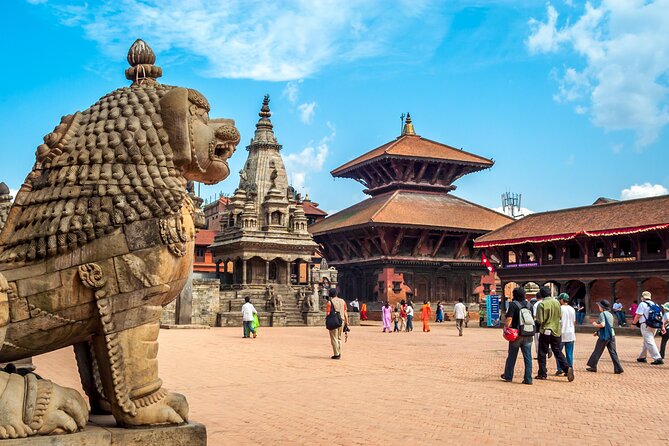
- Stop 3: Patan Durbar Square (Lalitpur)
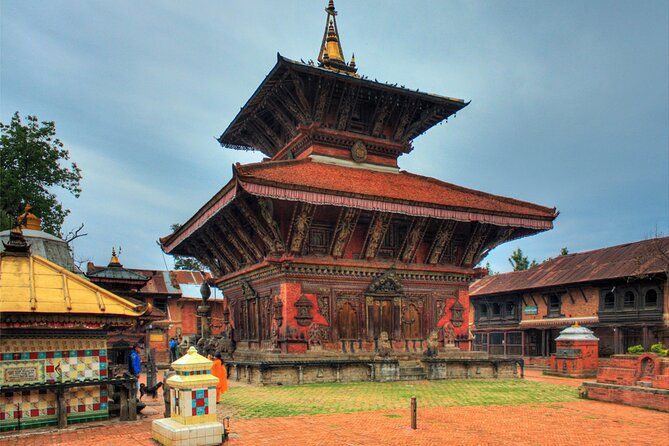
- Stop 4: Changu Narayan Temple
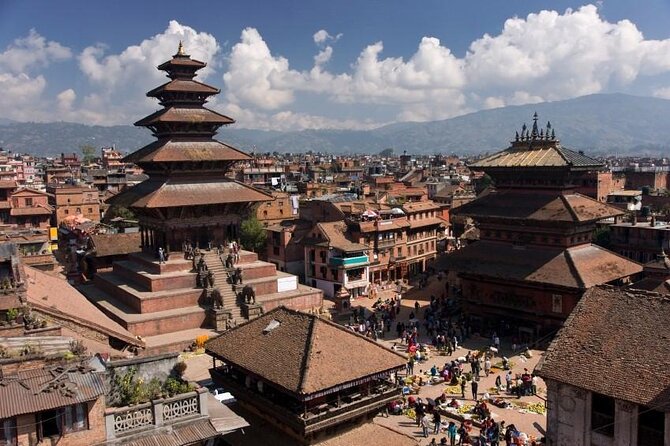
- Stop 5: Bhaktapur Durbar Square
- Stop 6: Pashupatinath Temple
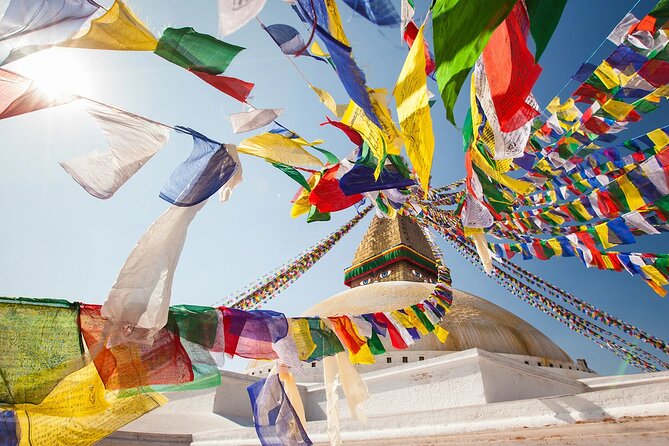
- Stop 7: Boudhanath Stupa
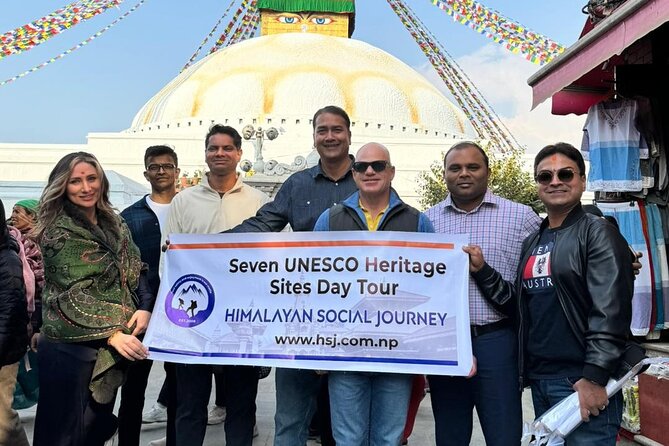
- The Guide Factor: How Organization Makes a Big Difference
- Lunch and Comfort: Small Inclusions, Big Effect
- How Long Is Long Enough? Pacing Tips for a 7 to 8 Hour Day
- Who This Tour Suits Best (and Who Should Rethink It)
- Should You Book This Kathmandu UNESCO Circuit?
- FAQ
- Are hotel pickup and drop-off included?
- How long is the tour?
- Which UNESCO sites are included?
- Are entrance fees included in the tour price?
- How much are the entrance fees?
- Is a guide included, and do they speak English?
- What food is included for lunch?
- Is there a group size limit?
- Is mobile ticketing used?
- What happens if weather is poor?
Key Highlights You’ll Feel Immediately
- Door-to-door pickup and drop-off: you get pulled into the old city plan instead of hunting meeting points
- A guided circuit of all 7 UNESCO sites: fewer decisions, less backtracking, one day of concentrated context
- English-speaking guide with organized flow: easier transitions between busy places and ticket checkpoints
- Simple lunch included: croissant, muffin, danish, cookies, banana, and juice plus bottled water
- Small group cap (up to 25 people): enough company for comfort, not a huge crowd
- Mobile ticket included: you are less likely to get stuck at the start line
Why This Seven-Site UNESCO Day Works in Real Life
Kathmandu Valley UNESCO sites are spread out, and that spacing can make a DIY day feel like a puzzle. This tour is built around the idea that you want the full set—Durbar squares plus major religious monuments—without turning your vacation into a map study marathon.
I like that the experience is structured around a guide-led route, not just “drive around and hope.” That matters because these places can look similar at first glance (stone, courtyards, carvings), but a good explanation helps you tell the difference between eras, styles, and religious functions.
The included lunch also helps you stay steady. You get a basic but convenient assortment—croissant, muffin, danish, cookies, banana, plus juice—along with bottled water. It is not a fancy restaurant stop, but it is enough to keep your energy up during a day that moves.
You can also read our reviews of more private tours in Kathmandu

Price and Entrance Fees: What the $50 Really Means
The tour price is $50 per person, and it includes several costly day-trip essentials: hotel pickup/drop-off, sharing transportation, an English-speaking guide, and the government tax/service charge. You also get bottled water and a packaged-style lunch set.
The big variable is entrance fees. The plan includes paid entry for 4 spots at $20 per person (Patan, Boudha, Swayambhu, Pashupati) and 3 spots at $24 per person (Kathmandu, Changu Narayan, Bhaktapur). Based on those figures, entrance fees alone total $152 per person.
So you are really paying for two things:
- The tour work: pickup, transport, guidance, and keeping the order logical
- The access: paid entries at multiple UNESCO monuments
If you are traveling with limited time and you want a full-value day, this setup can be cost-effective compared with piecing together multiple guides and transport bursts. If you are the type who loves wandering slowly with no schedule, the extra entrance fees and shorter time at each site may feel like less control.
Your Day on the Seven UNESCO Circuit (What You See and Why It Matters)
This is a 7 to 8 hour experience, with time mainly spent moving between heritage zones and stopping at each major monument. You’ll move through Buddhist sites and Hindu temple areas, plus the Durbar squares that anchor the valley’s palace-and-courtyard culture.
Timing note: not every stop has the same visit length. Some places are quick checkpoints; others are your main “walk and look” segments. The guide’s pacing matters here, because you are stacking seven emotionally different places into one day.
Stop 1: Swayambhunath (Swayambhu Mahachaitya)
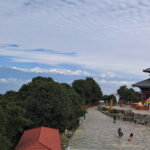
You start at Swayambhunath, a Buddhist stupa about 2600 years old with views over the Kathmandu Valley. It is often nicknamed the Monkey Temple because the area is known for monkeys around the site.
What to do here: take a moment for the big-picture view first, then shift your attention to the stupa structures and the surrounding temple area. The monkeys can be entertaining, but keep your focus on the architecture and how the viewpoint connects the stupa to the valley below.
Consideration: this is an early stop, so you might feel “summon the energy” mode. If you want slower photos and fewer quick transitions, tell the guide early so they can help manage your pace.
Stop 2: Kathmandu Durbar Square
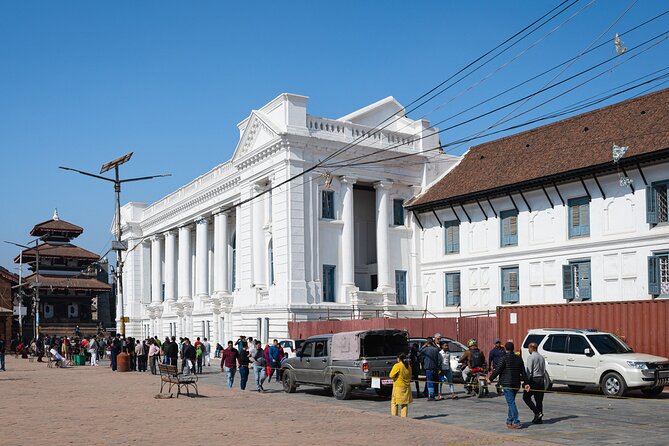
Next comes Kathmandu Durbar Square in the heart of old Kathmandu. This durbar square is surrounded by palaces, courtyards, and temples, which gives it that classic sense of power + devotion in one space.
What to look for: notice the mix of courtyards and temple details. Durbar squares are not just a single building; they are a whole cluster of heritage nodes. The guide’s context helps you see why the layout feels purposeful rather than random.
Consideration: this stop can feel crowded depending on the day and time. If you dislike busy open areas, come prepared to pause at calmer corners and use short bursts for photos.
You can also read our reviews of more tours and experiences in Kathmandu


Stop 3: Patan Durbar Square (Lalitpur)
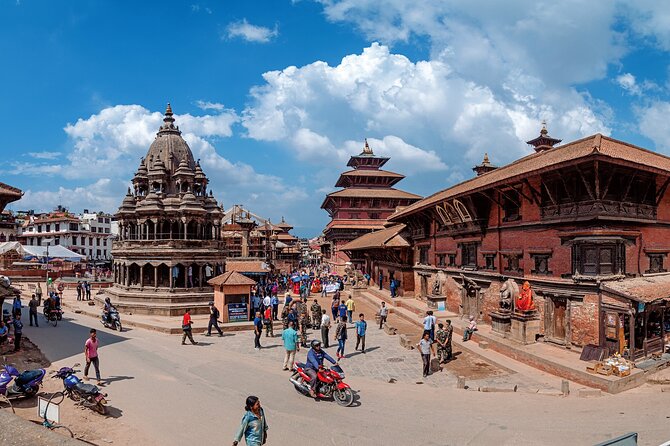
Then it’s Patan Durbar Square, about 5 km from Kathmandu. It is often highlighted as a fusion of Buddhism and Hinduism, and you’ll see how the art and architecture reflect that overlap.
What to do here: slow down on details. Even when you do not catch every carved feature, you can still compare styles between Kathmandu and Patan and notice how the religious influences shift.
Consideration: this stop runs longer than the quick-hit locations later in the day. If you are the type who needs breaks, use this as your longer reset.
Stop 4: Changu Narayan Temple
Changu Narayan Temple is reached next, and it sits on a hilltop in the village of Changu Narayan near Bhaktapur. The temple is believed to date back to the 4th century during the Lichhavi dynastic period.
What to look for: think “old roots.” Even if you only catch the basics, the age claim and hilltop setting help you understand why this site feels distinct from flatter Durbar squares.
Consideration: the time here is shorter than the major Durbar stops. It is still worth going slow, but do not expect a long linger.
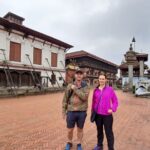
Stop 5: Bhaktapur Durbar Square
Bhaktapur Durbar Square is a standout stop for medieval architecture. The area is known for its well-preserved temples and palaces, and it gives you more of that “these stones survived and still tell a story” feeling.
What to do: walk the square and look for the way the temples and palace-like structures frame the space. Bhaktapur often reads best when you keep one theme in mind: preservation and craft.
Consideration: after a full morning, this can feel like a lot of visual input. Keep breaks simple: step aside when you can, drink water when you get the chance, and avoid rushing shots.
Stop 6: Pashupatinath Temple
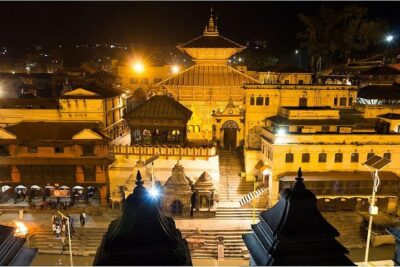
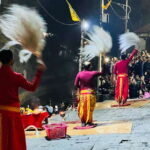
Pashupatinath Temple is one of the must-see Hindu temple areas on the Bagmati River. The sacred river runs down toward the Ganges, and the temple draws millions of visitors each year.
What to look for: the river setting changes how the temple area feels. Instead of just walls and courtyards, you get a religious geography. A guide can help you read the flow of movement and the spiritual importance of the river.
Consideration: this stop is not the kind where you can skim comfortably. Even on a schedule, you’ll want a few pauses, or it will feel like a quick photo stop instead of a meaningful visit.
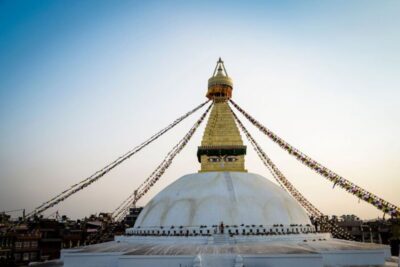
Stop 7: Boudhanath Stupa
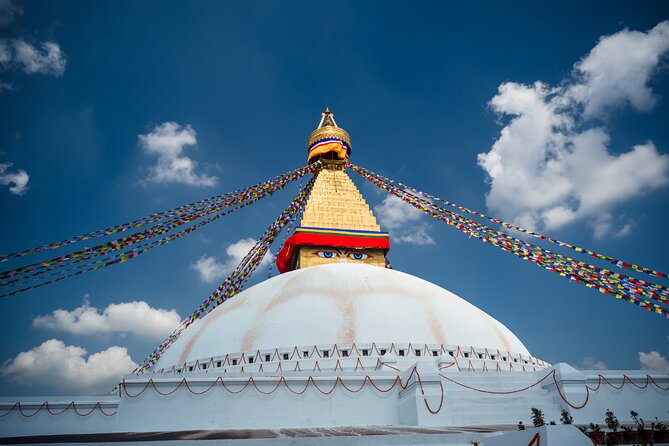
You finish at Boudhanath, described as one of the largest stupas in the world, constructed back in the 4th century. The surrounding area resembles a Tibetan village, with monasteries in the locale.
What to do: focus on the stupa form first, then look outward at the monastic feel of the neighborhood. It is a good final stop because it shifts the day from courtyards and palace zones toward a calmer, more devotional sphere.
Consideration: end-of-day energy matters. If you arrive tired, you may miss the subtle “neighborhood” vibe. Drink your water, take one solid walk around the stupa area, then call it a win.
The Guide Factor: How Organization Makes a Big Difference
This tour succeeds because it is guided and structured, not because it magically makes travel time disappear. The guide’s job here is practical: timing transitions, helping you understand what you are seeing, and keeping the day from sliding into chaos.
Based on the feedback pattern from past guests, the biggest win is knowing what is happening and when. That kind of clarity is not a small detail. In Kathmandu’s busy heritage areas, it helps you avoid wasting time at entry points, and it keeps your attention on the monuments instead of logistics stress.
If you care about context—why one square feels different from another, why a temple is placed where it is—this guide format is a strong match.
Lunch and Comfort: Small Inclusions, Big Effect
Lunch here is a set of items: croissant, muffin, danish, cookies, banana, and juice, plus bottled water. It is straightforward and portable, which matters when you are moving between sites in a day.
What you should do: treat it as fuel, not a full meal experience. If you have dietary needs, you might want to plan carefully since the menu options are not listed beyond that set.
Comfort-wise, you have sharing transportation and pickup/drop-off, which reduces the number of decisions you have to make mid-day. That matters if you want photos but also want to keep your legs from burning out before the final two sites.
How Long Is Long Enough? Pacing Tips for a 7 to 8 Hour Day
This is a concentrated circuit, so your strategy should be simple:
- Prioritize one or two “focus moments” per stop (a viewpoint, a key courtyard, or the stupa centerpiece)
- Use short pauses to reset, especially at the bigger Durbar squares
- Keep your expectations realistic: some stops are brief by design
I also recommend you dress for heritage walking. Even with transport, you’ll cover ground on uneven surfaces and through temple areas. Comfortable shoes help more than almost any fancy accessory.
And if you are the type who gets overwhelmed by crowds, pick quieter corners quickly. The guide can help you decide where to stand for photos without blocking others.
Who This Tour Suits Best (and Who Should Rethink It)
This is a smart choice if:
- You have limited time in Kathmandu Valley and want the full UNESCO set in one day
- You prefer a guided explanation over trying to map meaning on your own
- You want hotel pickup and a clear plan more than total freedom
It may be less ideal if:
- You expect long, unhurried temple visits at every stop
- You dislike paying multiple entrance fees and would rather pick only 1 or 2 sites
- You get stressed when schedules are tight
For most people, it lands in the sweet spot: a full culture and architecture day without the headache of arranging seven separate experiences.
Should You Book This Kathmandu UNESCO Circuit?
Book it if you want a structured day that hits all seven major UNESCO sites without you building the plan yourself. The value is strongest when you factor in pickup, guided context, and the fact that you are covering multiple heritage zones in one stretch.
You should think twice if entrance fees feel heavy for your budget or if you prefer slow travel with lots of downtime. The tour fee is low; the real cost is the paid access at several sites.
If your goal is: see the whole Kathmandu Valley UNESCO story arc in one day, this does it efficiently, with an organized guide and enough included food to keep you going.
FAQ
Are hotel pickup and drop-off included?
Yes. The tour includes hotel pickup and drop-off.
How long is the tour?
It runs about 7 to 8 hours.
Which UNESCO sites are included?
Swayambhunath, Kathmandu Durbar Square, Patan Durbar Square, Changu Narayan Temple, Bhaktapur Durbar Square, Pashupatinath Temple, and Boudhanath Stupa.
Are entrance fees included in the tour price?
No. Entrance fees are not included. You will pay separate entrance fees for each of the seven spots.
How much are the entrance fees?
Four spots have an entrance fee of $20 per person, and three spots have an entrance fee of $24 per person.
Is a guide included, and do they speak English?
Yes. The tour includes an English-speaking guide.
What food is included for lunch?
Lunch includes croissant, muffin, danish, cookies, banana, and juice, plus bottled water.
Is there a group size limit?
Yes. The experience has a maximum of 25 travelers.
Is mobile ticketing used?
Yes. A mobile ticket is included.
What happens if weather is poor?
The tour requires good weather. If it is canceled due to poor weather, you will be offered a different date or a full refund.