REVIEW · KATHMANDU
Shirodhara and Sound Healing Spa Experience in Kathmandu
Book on Viator →Operated by Aarya Wellness · Bookable on Viator
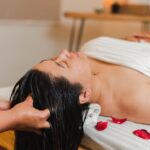
Your head gets the calm first. This experience mixes Shirodhara and singing bowl sound healing with traditional Nepali touch—an easy entry point if you want relaxation with a spiritual flavor. I like that you get both physical bodywork and sound work in one sitting, and I also like the way they use different oil styles so the massage can match how you feel. One consideration: if you’re sensitive to strong pressure or the steady sound/vibration effect, tell the team and pace yourself.
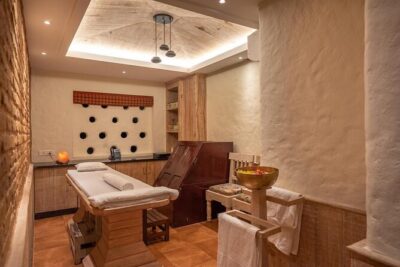
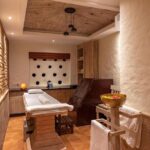
The setting at Aarya Wellness is big enough to feel like a proper spa, but still focused on your session. From what’s described, the room stays clean, and the staff comes across as careful, polite, and ready to help you settle in. Another plus for practical travelers: private car transfer is reported, which can save you from figuring out Kathmandu timing on a busy day.
You’re looking at about 2 hours 30 minutes, with the session ending back at the start point. That length is long enough to feel like a real reset, but not so long you’ll lose your whole day. If you’re short on time in Kathmandu, this is still the kind of activity that can make the rest of your trip feel lighter.
In This Review
- Quick hits you’ll care about
- Shirodhara and singing bowls at Aarya Wellness & Spa
- A realistic walk-through of the 2.5 hours
- 1) Check-in and settling into the spa flow
- 2) Shirodhara: the head-focused reset
- 3) Traditional oil (and dry) massage afterward
- 4) Singing bowl sound healing: vibration as therapy
- 5) Wrap-up and back to the meeting point
- Oil choice and hand pressure: how to get what you want
- Sound healing isn’t magic, but it can be effective
- Privacy and pacing in Kathmandu
- Value check: is $140 worth it?
- Who should book this, and who might skip it
- Should you book Shirodhara and Sound Healing in Kathmandu?
- FAQ
- How much does Shirodhara and Sound Healing in Kathmandu cost?
- How long is the experience?
- Where does the experience start?
- Where does the experience end?
- Is this activity private?
- What kind of treatments are included?
- Do they use oils during the massage?
- When is the spa open?
- How soon will I know my booking is confirmed?
- Is free cancellation available?
Quick hits you’ll care about
- Shirodhara plus sound healing together: head-focused therapy paired with singing bowl vibration
- Hand-applied traditional Nepali massage: oils and dry styles done by trained masseurs
- Over 12 oil types to choose from: they match the style to your preference
- Private experience for your group: no mixing with strangers during your session
- Clean spa space with courteous staff: calm atmosphere matters for sound work
Shirodhara and singing bowls at Aarya Wellness & Spa
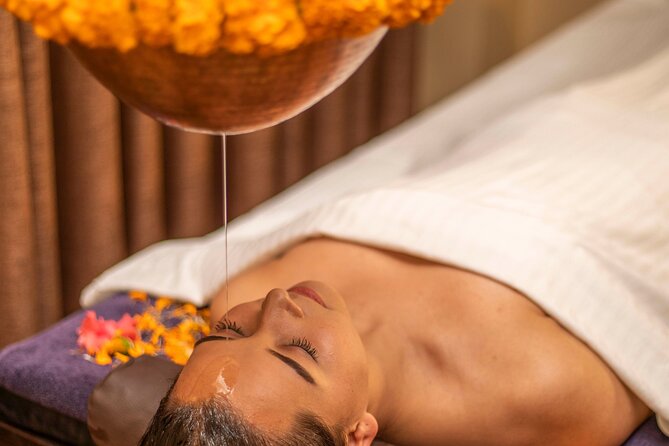
Kathmandu is full of wellness options, but the appeal of this one is simple: it aims at relaxation from two angles. First you get Shirodhara—classic, head and scalp-focused therapy—then you shift into sound healing with a singing bowl. When those two are paired well, the results tend to feel more complete than a massage alone.
At Aarya Wellness, the focus is on traditional Nepali massage styles and ancient practice, not a modern “spa theme.” They also describe themselves as one of the bigger wellness centers in Kathmandu, which usually means steady staff and practiced routines. In practical terms, that matters because sound healing works best when the room and schedule stay calm and consistent.
You can also read our reviews of more tours and experiences in Kathmandu
A realistic walk-through of the 2.5 hours
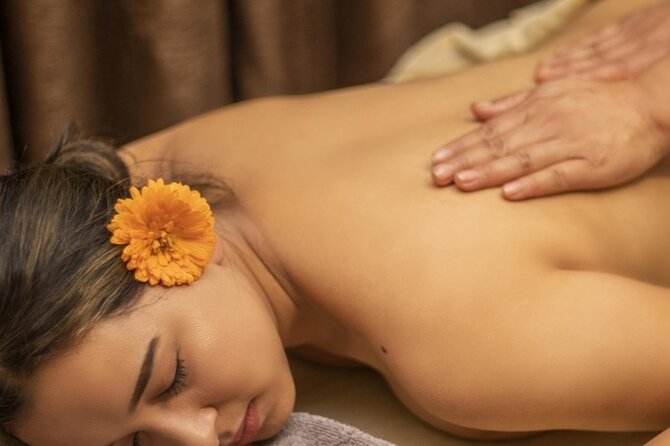
The schedule here is straightforward: you start at Aarya Wellness & Spa on Khursanitar Marga, and the activity ends back at the same meeting point. The “how it flows” is the key, because you’re combining head therapy, full-body comfort, and sound work.
Here’s the rhythm you can expect:
1) Check-in and settling into the spa flow
You’ll meet at Aarya Wellness & Spa and get pulled into the session. If you’ve booked with pickup, this is the part that keeps things easy—less time negotiating transport and more time letting your body clock in “rest mode.” Even without pickup, the meeting point being near public transportation is a helpful fallback.
The goal at this stage is simple: get you comfortable enough that Shirodhara and the singing bowl session don’t feel like interruptions. You’ll likely be asked about your preferences for massage style and pressure.
2) Shirodhara: the head-focused reset
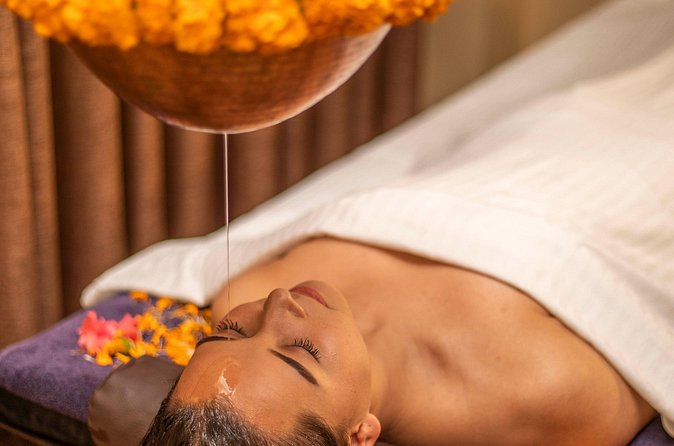
Shirodhara is the headline act. The concept is to calm the mind and body by working directly with the head area. In a session like this, the staff’s skill matters because you don’t want it to feel chaotic or rushed. The Shirodhara portion is also why this tour is worth considering even if you’re not a hardcore massage person—you get a very specific kind of relaxation.
Potential consideration: if you’re expecting Shirodhara to feel gentle and floaty only, you may want to communicate clearly. Some visitors mention a masseuse with strong and warm hands, which suggests you can choose the depth you prefer rather than being forced into one intensity level.
3) Traditional oil (and dry) massage afterward
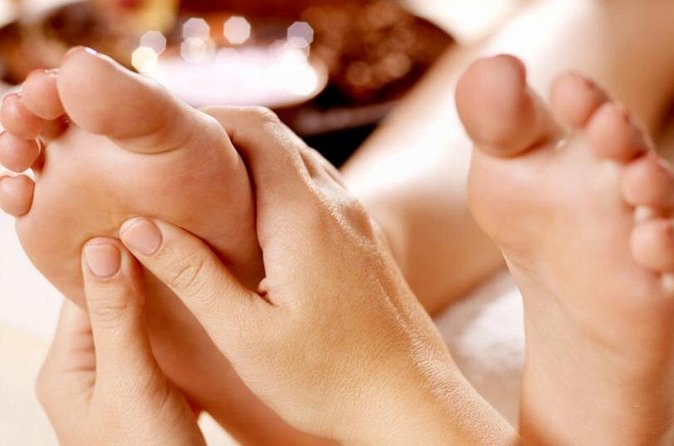
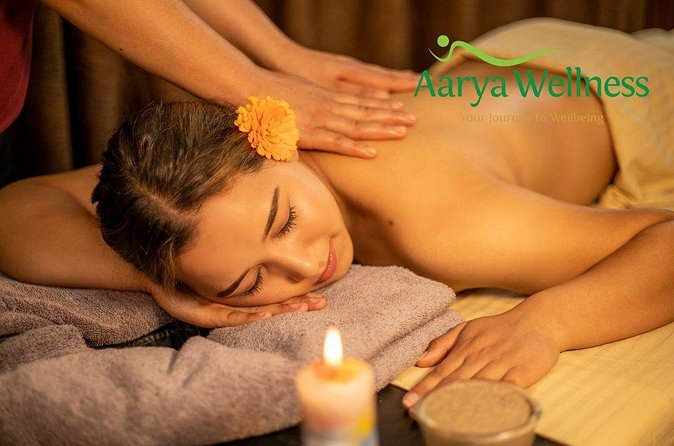
After the head-focused start, you shift into a traditional Nepali-style massage. The center offers over 12 kinds of oil and also dry massages. That’s more than a menu gimmick. Different oils and styles can affect how your skin feels, how warm your body stays, and how your muscles respond.
They also perform the massage by hand, which tends to feel different than quick technician-style bodywork. In the feedback, people highlight warm hands and attentive service—those details matter because the massage portion is what helps you leave feeling physically loose, not just mentally calmer.
If you’re the type who likes deeper work, you may be able to request an extra deep tissue style. One past experience notes adding a deep tissue massage to the core session, and it made the relaxation more complete.
4) Singing bowl sound healing: vibration as therapy
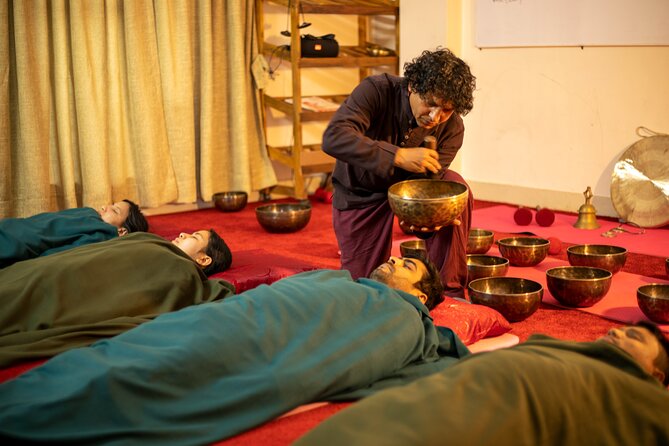
Then comes the sound healing. This is where the session becomes more than just a massage spa day. Singing bowl healing is built around resonance and timing, which is why the atmosphere and staff pacing matter.
From what’s described, the singing bowl person (often called the sound healing guru) is experienced and gives structure to the session, so you’re not left wondering what you’re supposed to do. You can treat this part like a guided reset: settle in, let the sound do its work, and don’t force it.
Practical consideration: the bowl experience may be a sensory event. If you’re sensitive to vibrations or sound volume, be upfront before the session starts so the team can adjust the approach.
5) Wrap-up and back to the meeting point
Finally, the activity ends back where you started. The best part about ending at the meeting point is that you don’t have to plan extra logistics right after you’ve been relaxing. You can head straight to a meal or back to your hotel while you’re still in that calm window.
Oil choice and hand pressure: how to get what you want
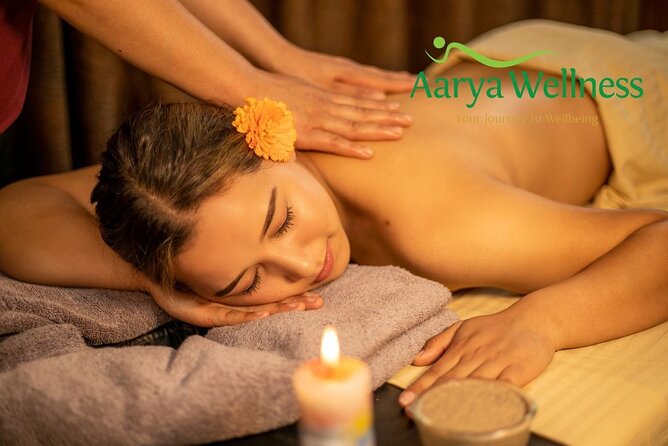
A lot of spas say “customization.” This one actually points to customization through oil variety and massage types. They offer over 12 kinds of oil plus dry massage options, and the masseurs apply them in a traditional Nepali style.
So here’s how you can use that information to get better value:
- If you want a warming, soothing feel, ask for an oil style that emphasizes comfort and relaxation.
- If you want more muscle release, ask for deeper pressure or a deep tissue style option.
- If you have any preference about dryness vs oil, make it clear. Knowing there are both options helps.
One more small but important detail: strong hands and warm pressure are mentioned, which is a good sign if you like massage that actually moves your muscles. If you don’t, don’t just hope it’s gentle—say so early.
Sound healing isn’t magic, but it can be effective
Sound healing can sound mysterious until you experience it in a controlled, professional setting. What makes this session more convincing is the pairing with massage. You’re not asking sound work to do everything. The oil massage loosens and relaxes your body; the singing bowl then gives your mind something steady to follow.
Also, singing bowl healing tends to work best when you’re not trying to multitask. This is one reason the private setup is valuable. Your group gets the full focus, and the session doesn’t have to compete with other people’s timing.
Consider this if you’re skeptical: you don’t have to believe the spiritual side to appreciate the physiological side of slowing down, breathing, and settling your nervous system. The practical goal is clear—walk out calmer, looser, and more present.
Privacy and pacing in Kathmandu
Kathmandu can be intense in small ways: traffic, noise, and constant movement. That’s why I like spa days that include private control. This is a private tour/activity, meaning only your group participates. No sharing the session with strangers makes the entire experience feel more respectful and focused.
Timing-wise, the spa operates daily, from 8:15 AM to 8:15 PM. That wide window gives you flexibility. If you want the spa session to reset your day, pick a time when you won’t have to rush immediately afterward.
If you’re traveling on a tight itinerary, this duration—about 2 hours 30 minutes—hits a good middle ground. You get real treatment time, but you still keep the rest of your day intact for sightseeing, food, or a slow evening stroll.
Value check: is $140 worth it?
$140 per person for a 2.5-hour session with Shirodhara, traditional Nepali massage, and singing bowl sound healing is not a bargain price. But it doesn’t look overpriced either, given the combination of services and the private setup.
Here’s how I’d judge the value for your money:
- You’re buying two therapies in one block: head-focused Shirodhara plus sound healing. That’s often what makes the experience feel worth paying for.
- You’re paying for hand-applied work: traditional by-hand massage and oil selection takes real labor and skill.
- You get privacy: your group doesn’t get blended into a bigger crowd session.
- You’re not stuck guessing outcomes: the center describes the core parts clearly, and past experiences highlight cleanliness and courteous service.
One smart move: if you know you like deeper massage work, ask about the options during your session. One person added deep tissue and felt it improved the overall relaxation. If your goal is pure calm, you can also lean toward gentler pressure and more soothing oil styles.
Who should book this, and who might skip it
This experience fits best if you want a relaxation day in Kathmandu that feels grounded, not gimmicky.
You’ll likely enjoy it if:
- You want Shirodhara specifically, not just a generic massage
- You like the idea of sound healing with singing bowls
- You appreciate hands-on traditional massage and oil-based comfort
- You’re the type who wants calm and privacy in a busy city
You might reconsider if:
- You dislike sound/vibration experiences and you don’t want anything rhythmic
- You’re highly sensitive to touch intensity and you don’t want to communicate preferences
- You only want short activities (this is about 2.5 hours)
Should you book Shirodhara and Sound Healing in Kathmandu?

If your goal is a true relaxation reset—head therapy, body loosening, then sound healing—this is a strong choice. I like that you can get traditional Nepali massage styles and singing bowl healing in a single, private, well-run session. For many people, that combination is exactly what makes a wellness day feel special rather than just routine.
If you’re on the fence, go in with one clear priority: either choose a deep, muscle-focused experience with the oil massage depth you want, or choose a calmer, slower approach that lets the sound healing settle you. Either way, this is the kind of session that can leave you feeling like you finally exhaled in Kathmandu.
FAQ
How much does Shirodhara and Sound Healing in Kathmandu cost?
It costs $140.00 per person.
How long is the experience?
It’s approximately 2 hours 30 minutes.
Where does the experience start?
It starts at Aarya Wellness & Spa, Khursanitar Marga, Kathmandu 44600, Nepal.
Where does the experience end?
It ends back at the meeting point.
Is this activity private?
Yes. It’s a private tour/activity, and only your group participates.
What kind of treatments are included?
The experience offers traditional Nepali massages along with Shirodhara and singing bowl sound healing.
Do they use oils during the massage?
Yes. They provide over 12 kinds of oil and also dry massage options.
When is the spa open?
It runs Monday through Sunday from 8:15 AM to 8:15 PM.
How soon will I know my booking is confirmed?
Confirmation will be received at the time of booking.
Is free cancellation available?
Yes. You can cancel up to 24 hours in advance for a full refund. If you cancel less than 24 hours before the start time, the amount paid will not be refunded.