REVIEW · KATHMANDU
4 Days Pikey Peak Trek : The Best View of Mt Everest
Book on GetYourGuide →Operated by Alpinist Club · Bookable on GetYourGuide
Everest views, minus the huge crowds. This 4-day Lower Khumbu hike from Kathmandu gives you Pikey Peak sunrises and Sherpa village life in a short window, with trails through rhododendron forests and high meadows. Just know the tradeoff: the long jeep drives out and back eat a chunk of your day.
I like that the trek is built for real people with limited time. You’re not chasing a technical high pass; you’re hiking to a high viewpoint (4,065m) and then coming down, which makes it feel manageable even if you’re not ultra-fit. Still, altitude can catch you off guard, so take it slow and follow your guide’s pace.
For $350, you’re buying a package of convenience: permits, an English-speaking guide, lodge nights with breakfast, and private transport from Kathmandu to Dhap and back. That’s good value for a short trek where logistics can otherwise turn into a hassle.
In This Review
- Key things that make this trek worth your time
- A Short Everest Taste Near Kathmandu
- Day 1: Kathmandu to Dhap Bazaar, then Jhapre by foot
- Day 2: The steady push to Pikey Base Camp (3,640m)
- Day 3: Up to Pikey Peak (4,065m) for the big panorama
- Day 4: Down to Dhap, then back to Kathmandu
- Sherpa culture you can actually notice on the trail
- The views: Everest and friends, without the big-crowd grind
- Price and Logistics: what $350 gets you (and what it doesn’t)
- Lodges, food, and the reality of charging your phone
- Altitude: moderate on paper, still smart to manage
- Packing and season tips that actually matter
- Guides make the difference: English support on the mountain
- Who should book this trek?
- Should you book the Pikey Peak trek?
- FAQ
- Where does the trek start and end?
- How long is the trek on each main walking day?
- What altitude do you reach?
- Is altitude sickness a concern?
- What kind of accommodation do you get?
- Is food included?
- Are hot showers included?
- How big is the group and who guides the trek?
- What should I bring for water and charging?
- Is this trek suitable for everyone?
Key things that make this trek worth your time
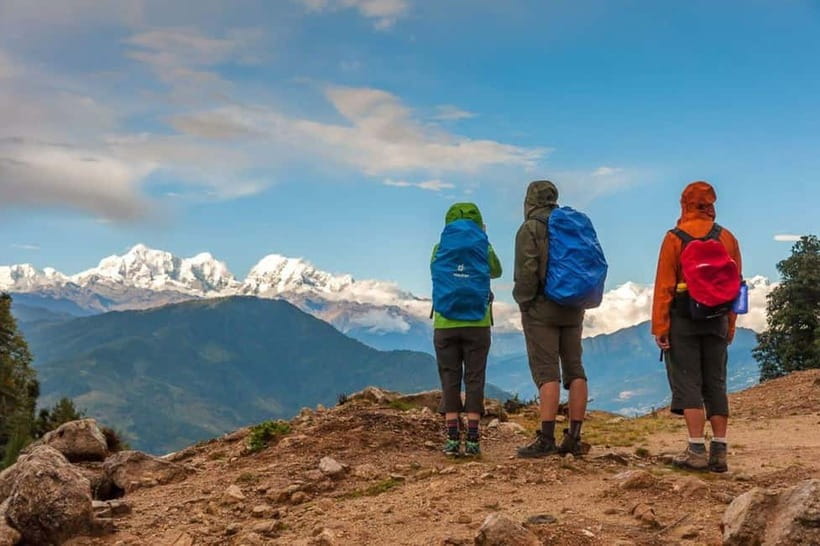
- A true Everest-view payoff in just four days, with Pikey Peak (4,065m) as the main highlight
- Sunrise timing that’s specifically tied to the summit viewpoint experience
- Sherpa culture on gentle trails, with village stops and Buddhist sites along the way
- Serene nature steps through rhododendron forests and alpine meadows, not just straight uphill
- Small group size (up to 8) with an English-speaking guide to keep things smooth
A Short Everest Taste Near Kathmandu
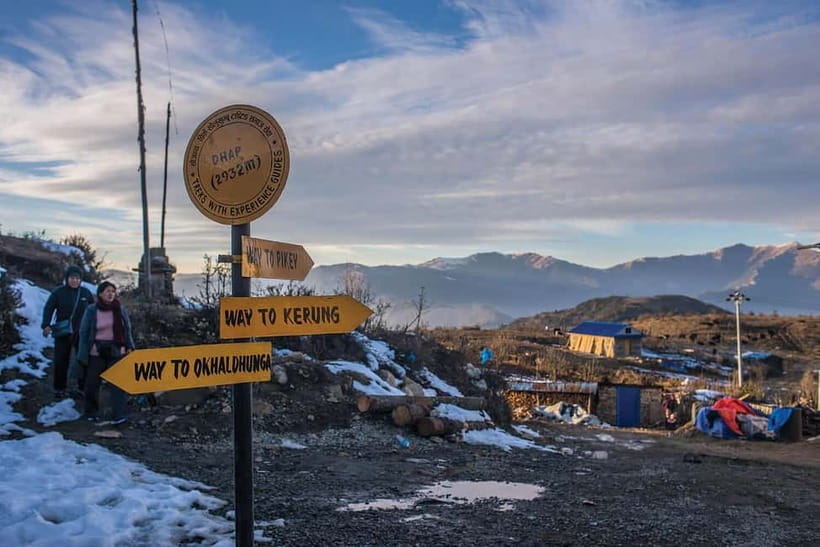
This is one of the best “Himalaya in a hurry” options out of Kathmandu. The big idea is simple: you get a high, panoramic viewpoint over multiple Himalayan giants, plus a cultural taste of the Lower Khumbu without the long slog that comes with bigger treks.
I especially like that the route blends practical hiking with “human moments.” You’re not only walking in the altitude zone; you’re also passing Buddhist monasteries, Tibetan-influenced settlements like Kerung, and everyday Sherpa village life. Even at a moderate altitude level, the day-to-day feels more personal than a pure sightseeing day trip.
The main drawback is logistical time. You’re looking at an extended drive (about 7–9 hours one way, and another long ride back). If you hate being in a vehicle, this trek will test your patience before the first trail step.
You can also read our reviews of more hiking tours in Kathmandu
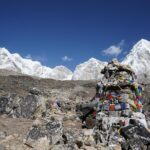
Day 1: Kathmandu to Dhap Bazaar, then Jhapre by foot
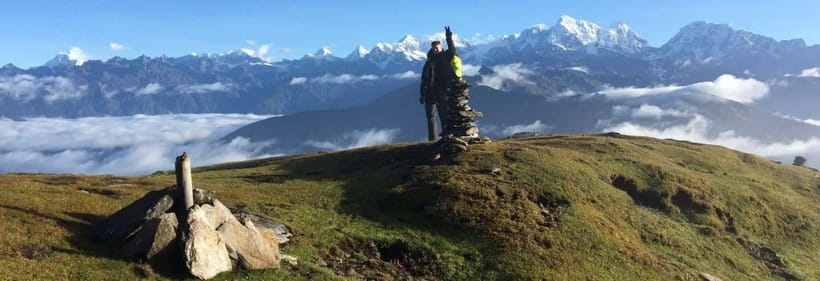
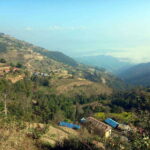
Day 1 starts with a long transfer from Kathmandu. From there, you roll toward Dhap Bazaar, following the trail corridor alongside the Sunkoshi River. Expect scenery that’s more “Nepal countryside” than “big-wall mountains” on this first day: terraced fields, river views, and forested stretches.
Then you transition from vehicle travel to walking with a trek that takes you to Jhapre, around 2,820m. Along the way, you pass Kerung, a Tibetan-influenced village, and you can explore Buddhist monasteries in that area. This matters because it sets the tone: the trek isn’t only about the summit. It’s about seeing how these communities live with the mountains as part of daily life.
The lodge night in Jhapre is your base for the real climb the next day. Practically, this is a good pacing choice. Instead of jumping straight to altitude, you get one “entry” hike day so your body can start adjusting.
Day 2: The steady push to Pikey Base Camp (3,640m)
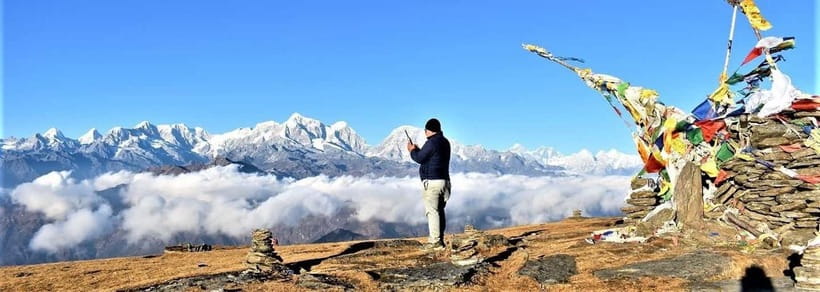
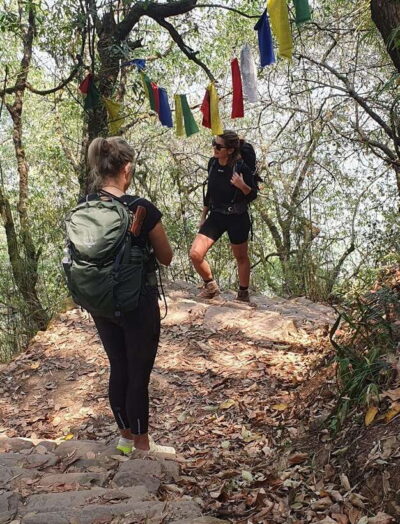
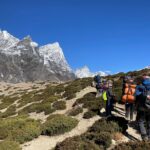
Day 2 is a hike of about 6 hours to Pikey Base Camp at roughly 3,640m. The climb feels like it’s building toward the views without being a full-on grind. You’ll travel through trails marked by stone walls, and you’ll notice the ongoing spiritual architecture: old stupas and monasteries show up again and again along the route.
This base camp stop isn’t flashy. It’s practical. You’re gaining altitude gradually, and you’re also getting a calm high-altitude resting point before the summit day. That’s exactly what you want if you want good weather and good energy for sunrise and the main viewpoint.
If you’re the type who cares about photography (or just good light), this is where the trek starts paying you back. You’re high enough to feel the air change, but not so high that every step feels like a battle.
Day 3: Up to Pikey Peak (4,065m) for the big panorama
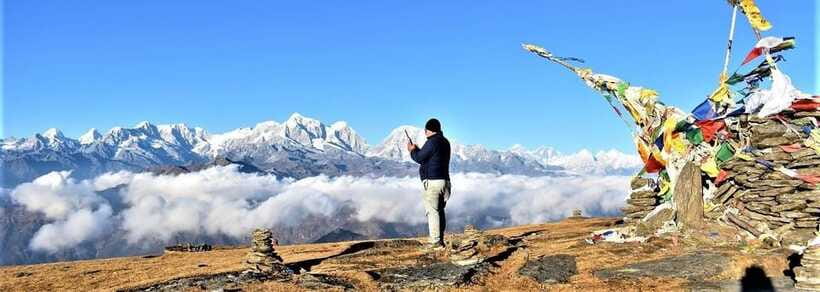
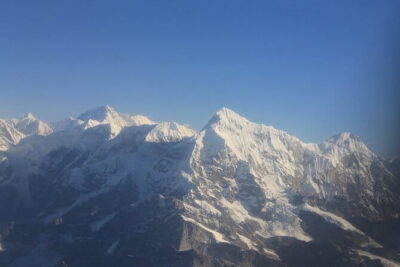
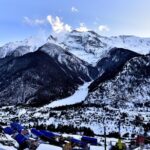
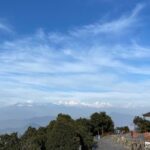
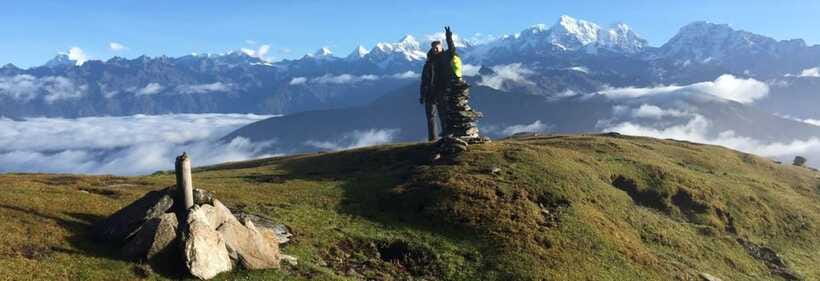
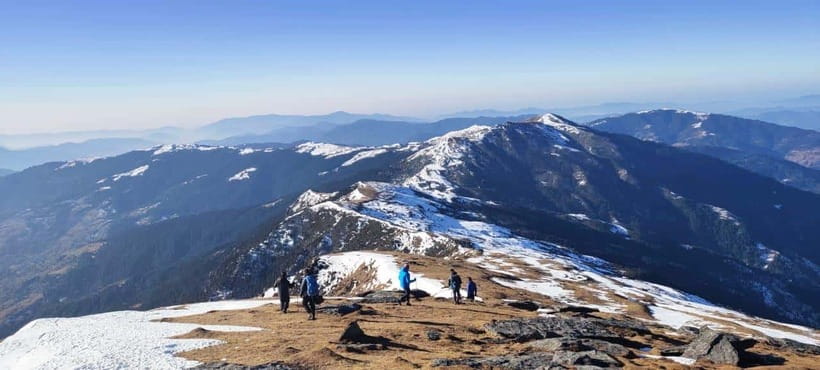
This is the day that makes the trek famous. You hike to Pikey Peak (4,065m). The summit push is about 1.5 hours, which sounds short on paper but still needs respect at altitude. Once you’re there, the reward is a wide, sweeping set of Himalayan views.
The viewpoint range you can catch is a big part of the appeal:
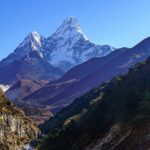
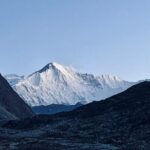
- Everest (8,848m) in the distance
- Kanchenjunga (east)
- Dhaulagiri (west)
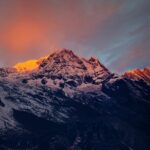
The trek description also promises the sunrise moment from above Pikey Peak. If you’ve ever watched sunrise from the mountains, you know the difference between a normal viewpoint and a “morning sky” viewpoint is huge. It’s not just a photo. It’s the weather being on your side, and the whole region waking up at once.
Then you descend back down toward Pikey Base Camp and continue on to Jhapre, with about 6 hours of hiking for the day. This back-and-forth matters: it keeps the trek relatively approachable in terms of total altitude stress. You get the high point, then you earn your rest.
One more thing I’ll underline: summit day is where people tend to speed up. Don’t. Keep your pace steady, hydrate, and treat the last stretch as a controlled effort, not a sprint.
Day 4: Down to Dhap, then back to Kathmandu
On Day 4 you trek from Jhapre down to Dhap, and then drive back to Kathmandu. The walking time is shorter than the earlier days, and the route is more about resetting your body than chasing altitude gains.
Once you reach Dhap, you’re back in the vehicle for the long return ride. It’s the kind of day that’s perfect for simple reflection: you’ve done the work, you’ve gotten the views, now you just get to go home.
Drop-off is in Kathmandu at your hotel in the end. You’ll likely feel the shift from mountain rhythm to city convenience immediately—hot shower fantasies included, even if your last lodge night had only limited options.
You can also read our reviews of more tours and experiences in Kathmandu
Sherpa culture you can actually notice on the trail
A trek near Everest can sometimes feel like you pass through places without really seeing them. This one is different because the route repeatedly places you around small communities and Buddhist sites.
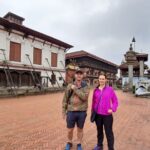
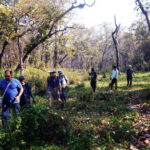
You’ll spend time walking through Sherpa villages, and you’ll pass monasteries and stupas that point to the region’s Buddhist influence. On Day 1 you also get Kerung’s Tibetan-influenced character, which adds variety to what you see on the way up.
This cultural angle isn’t just “side scenery.” It helps the trek feel grounded. Instead of spending four days only thinking about the summit, you’re also learning how people live with the mountains around them. That’s often what makes a short trek feel longer in a good way.
The views: Everest and friends, without the big-crowd grind
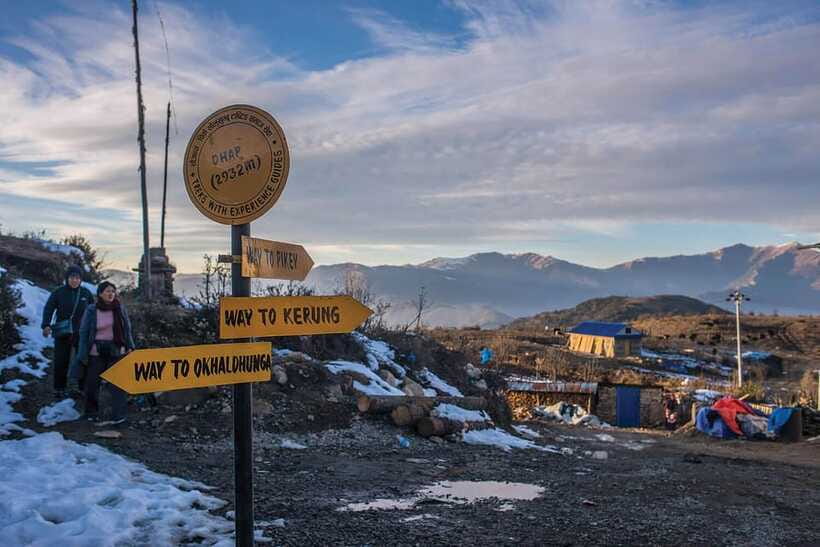
The main attraction is obvious: you want big Himalayan visibility from Pikey Peak. The trek is set up for the kind of panoramic payoff where you can scan the horizon from east to west.
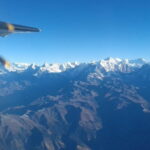
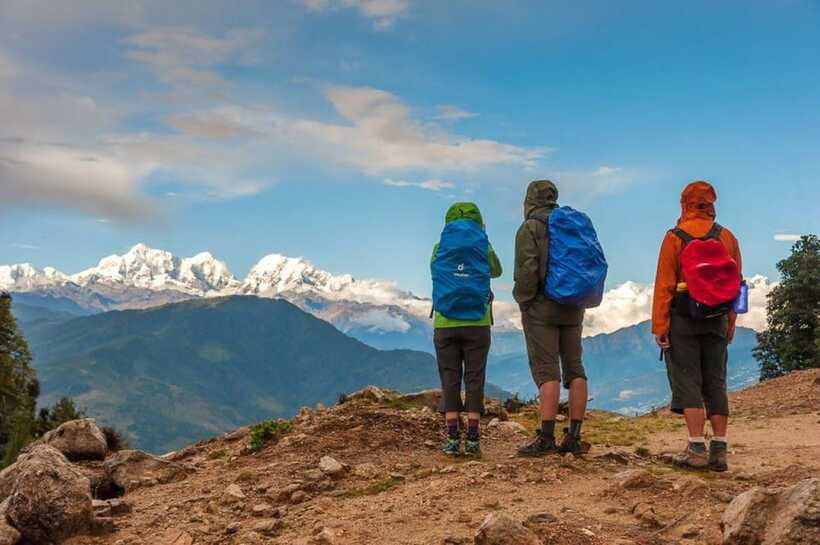
What makes this special is that you’re targeting multiple giants from one high viewpoint: Everest, Dhaulagiri, and Kanchenjunga. That’s a lot of “Himalaya bingo” for a relatively short itinerary.
And the timing helps. When weather cooperates, sunrise and clear skies can turn the whole day into something you’ll remember for years. One of the strongest signals from people who’ve done this trip is that the weather made the views truly excellent, which is always the dream on mountain trips.
Still, remember: these are mountains. Cloud cover happens. Your best move is to follow your guide’s pace, avoid rushing the summit area, and trust that the region is doing what it can.
Price and Logistics: what $350 gets you (and what it doesn’t)
Let’s talk value, because the best tours often hide the details that matter.
What’s included in the $350 package:
- Experienced English-speaking trekking guide
- Necessary permits
- Government taxes
- Private jeep/van Kathmandu to Dhap and back
- Pick up and drop at your Kathmandu hotel
- Lodge accommodation during the trek with breakfast
That inclusion list matters for a short trek. Permits and private transport are the two line items that can quietly balloon if you try to DIY. Here, they’re handled.
What’s not included:
- Meals and beverages
- Porter
- Personal expenses
If you don’t mind buying food and managing your own snacks, this can still be good value. But you should budget realistically for meals. Also, even though porter service isn’t included, you can decide whether you want to carry light or not.
The group size is limited to 8 participants. That’s another quiet value point. Smaller groups can mean less confusion and a smoother pace, especially when schedules depend on sunrise timing and trail conditions.
Lodges, food, and the reality of charging your phone
You’ll stay in teahouses/lodges. The rooms are twin sharing, and blankets are provided. Conditions are basic but cozy, which is exactly what you want on a short trek when you’re hiking most of the day.
Food is typically simple, hearty, and familiar to trekkers:
- Dal bhat
- Noodles and soup
- Eggs and potatoes
- Tibetan bread
- Tea and coffee
Hot showers are available in some lodges, but it can cost extra. Plan on that option being hit-or-miss depending on where you sleep.
Electricity and connectivity are also practical considerations. Cell network exists in many villages (NTC and Ncell are the listed networks), but it can be patchy. Electricity may be solar or limited, so charging a device may depend on timing. Bring a power bank and charge whenever you can.
Altitude: moderate on paper, still smart to manage
Pikey Peak sits at about 4,065m. That’s not the extreme height of major expeditions, but it’s still high enough that some visitors can feel mild altitude effects.
The good news is that the itinerary includes time at intermediate elevations (like the 3,640m base camp) and includes rest and descent after the summit day. This helps reduce the “all at once” stress.
Still, treat altitude like a real factor:
- Drink plenty of water
- Walk slowly
- Avoid alcohol
- Prioritize sleep and recovery, especially after summit day
A small first-aid kit with altitude and stomach medicine is a smart idea. Even if you feel fine, being prepared reduces worry.
Also note: the trek is not suitable for pregnant women, based on the tour info.
Packing and season tips that actually matter
You don’t need a full expedition kit for this trek, but you do need comfort and protection. Conditions can change fast in the Himalayas, even on shorter itineraries.
Your essential gear checklist should include:
- Trekking boots (broken in)
- Layered clothing: base, fleece, down jacket, waterproof shell
- Gloves and a hat
- Sunglasses and sunscreen
- Headlamp
- Water purification tablets or a filter
- Snacks (energy bars, nuts)
- A small first-aid kit
- Power bank
Sleeping bag is listed as an option. Even if lodges provide blankets, having your own can make nights easier on your comfort level.
Best seasons for views and trail vibe:
- Spring (March–May): rhododendrons and usually clearer days
- Autumn (Sept–Nov): best weather visibility
- Winter (Dec–Feb): cold but often clear
If you want maximum mountain visibility, you’re usually choosing between spring and autumn.
Guides make the difference: English support on the mountain
This trek runs with an experienced English-speaking guide, and people clearly value the human touch on the route. One person specifically praised Pemba for making sure the trek felt enjoyable. Another highlighted Sukbir Tamang for supporting them through the summit experience. A third noted Ngima Chhechi Sherpa for friendly guidance and a wonderful top-day view.
Even without knowing which guide you’ll get, the pattern is consistent: good communication and calm pacing are part of what makes this trek work for real schedules and real bodies. Ask your guide questions early, and don’t be shy about letting them know if you’re feeling tired or off pace.
Who should book this trek?
This is a strong match if you want:
- A short Himalayan adventure close to Kathmandu
- Big scenery without committing to a long trek
- A moderate-altitude challenge (4 days, with a 4,065m summit viewpoint)
- A cultural walk through villages and Buddhist sites, not just mountain photos
It’s also attractive to bird watchers and photographers, since the route passes through varied habitats like alpine meadows and rhododendron forests.
I wouldn’t choose this if you hate long vehicle rides, or if you’re looking for a quiet “only walking” itinerary with minimal logistics. The driving time is real, and it’s part of the trade.
Should you book the Pikey Peak trek?
I’d book it if you want a realistic path to Everest-area views with a short time commitment, and you’re okay with a long transfer from Kathmandu. The $350 value is strongest when you appreciate what’s included: permits, transport, a guide, and lodge breakfasts for a four-day itinerary.
Book with confidence if you’re the kind of traveler who enjoys sunrise planning, can handle basic lodges, and will take altitude seriously even at “moderate” heights. If weather is clear, the summit day is exactly the kind of payoff you came for.
Don’t book if you’re expecting a quick, car-free hike with no fatigue from transfers. Also skip it if you fall into the groups the tour data flags as not suitable, like pregnant travelers.
If you want the Everest view with less time and fewer crowds, this trek is one of the smarter ways to do it.
FAQ
Where does the trek start and end?
The pickup and drop-off in Kathmandu are at Thamel, and the trek starts after the transfer from Kathmandu to Dhap. You return to Kathmandu and are dropped off at your hotel.
How long is the trek on each main walking day?
It’s about a 6-hour hike on the main climb day to Pikey Base Camp, about 1.5 hours up to Pikey Peak (then additional hiking down to Jhapre), and about 6 hours of hiking from Pikey Base Camp to Jhapre on the summit day. Day 1 includes a shorter walk to Jhapre, and Day 4 includes the descent back to Dhap.
What altitude do you reach?
You reach Pikey Peak at about 4,065m, and Pikey Base Camp is around 3,640m. Jhapre is around 2,820m.
Is altitude sickness a concern?
Yes. Even though the summit is relatively moderate compared to high-altitude treks, mild AMS can still happen. The plan includes pacing and descent, and you’re advised to drink plenty of water, avoid alcohol, and walk slowly.
What kind of accommodation do you get?
You stay in teahouses/lodges with twin sharing rooms. Blankets are provided, and the lodges are described as basic but cozy. Breakfast is included.
Is food included?
Meals and beverages are not included. Lodges typically serve dal bhat, noodles, soup, eggs, potatoes, Tibetan bread, plus tea and coffee.
Are hot showers included?
Hot showers are available in some lodges, but they may cost extra.
How big is the group and who guides the trek?
The group is limited to 8 participants. The trek includes an experienced English-speaking trekking guide.
What should I bring for water and charging?
Bring water purification tablets or a filter. Electricity is limited, so charge devices when you can, and bring a power bank.
Is this trek suitable for everyone?
It is not suitable for pregnant women. It may also be challenging if you have health concerns related to altitude, so follow the altitude tips and speak with your doctor if you’re unsure.
If you want, tell me your fitness level and your travel month, and I’ll help you judge whether this 4-day plan fits your timing and energy.