REVIEW · KATHMANDU
Kathmandu: Food, Drink and Shopping Rickshaw Tour
Book on GetYourGuide →Operated by Maha Nepal Trips Pvt. Ltd. · Bookable on GetYourGuide
Thamel and snacks on a rickshaw loop make this tour fun and easy to manage. I like how the food-and-shopping route turns market chaos into a clear sequence, and I like the short rickshaw ride that helps you cover ground without burning your legs.
One thing to note: the tour title promises food, drink, and shopping, but the pace is market-style and some shopping choices can run in parallel, so you’ll want a rough idea of what you’re shopping for before you arrive. Shopping time may feel more flexible than you expect.
In This Review
- Key things to know before you go
- Getting oriented in Thamel with a rickshaw ride that actually helps
- Food stops in Kathmandu: momos, thukpa, panipuri, sel roti, and cane juice
- Tea, coffee, and small breaks that keep the route enjoyable
- Bargaining tips and shopping guidance: what to ask for and what to skip
- Handicraft centers and fair-trade stores: pashmina, masks, and Thangka art
- Price and value: is $28 for 3 hours worth it?
- Who this tour suits best (and who might feel cramped by it)
- Practical tips so the tour goes smoothly
- Should you book this Kathmandu rickshaw food and shopping tour?
- FAQ
- How long is the Kathmandu Food, Drink and Shopping Rickshaw Tour?
- Where do I meet the guide?
- Is pickup included?
- What’s included in the tour price?
- What should I bring for the tour?
- Is cash necessary for shopping?
- What foods and drinks can I expect to try?
- What souvenirs can I shop for during the tour?
- What languages does the live guide speak?
- Is the tour wheelchair accessible and can I cancel for a refund?
Key things to know before you go
- A 3-hour plan built around Thamel: walking plus a guided rickshaw loop, so you don’t just taste food, you learn where it fits in the city.
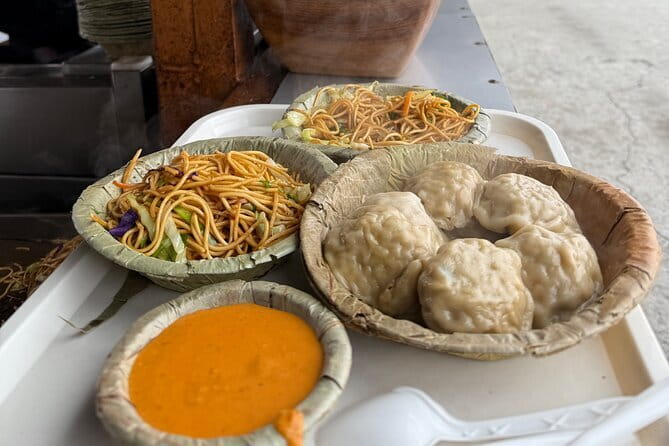
- Real Nepali tastes, not only common snacks: you’ll likely sample staples like momos and thukpa, plus sweet treats like sel roti.
- Drink breaks that keep you going: masala milk tea, tea options, and sugarcane juice are part of the rhythm.
- Bargaining help that actually matters: your guide assists with negotiating so you can buy with confidence.
- Shopping guidance to avoid tourist traps: you’ll get tips on spotting what’s genuine and what’s mass-produced.
- Craft stops beyond the street tables: local handicraft centers and fair-trade stores help you compare quality.
Getting oriented in Thamel with a rickshaw ride that actually helps
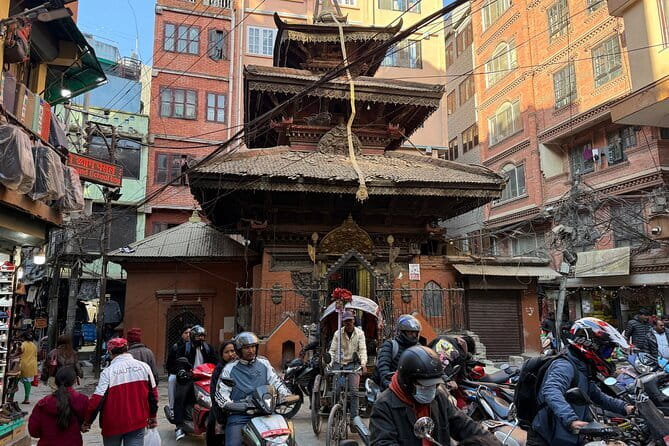
Kathmandu markets can hit fast: narrow lanes, constant motion, and a wall of goods that all look tempting. This tour is built to solve that problem. You start with a guide-led route through the Thamel area, and you’re not left to wander hungry and confused.
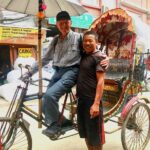
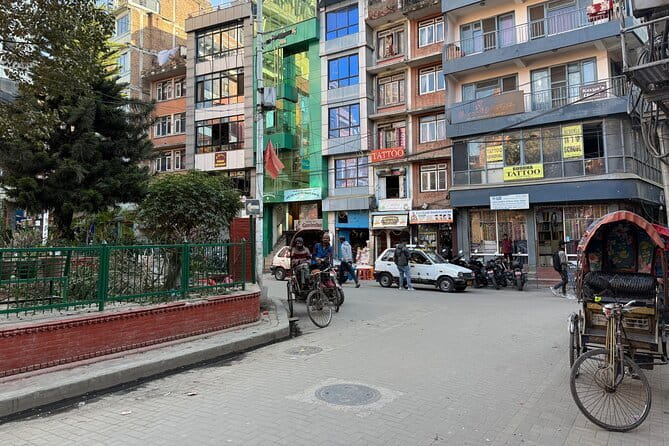
A guided rickshaw ride (about a half hour in practice) acts like a reset button. You get a quick city view while the group transitions between food stops and shop clusters. It also helps you understand how streets connect, so later, if you want to return on your own, you’re not starting from zero.
Before you head out, expect a short safety briefing and a practical check-in. There’s also a “come hungry” mindset here, because the stops are the point. If you show up with a full stomach, you’ll feel rushed; if you show up hungry, it clicks.
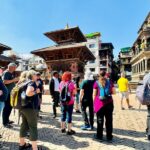
The route includes walking through busy market areas, so the tour stays real. You will step around foot traffic, squeeze past stalls, and keep moving. Comfortable shoes are not optional—your feet will do the work your camera can’t.
You can also read our reviews of more food & drink experiences in Kathmandu
Food stops in Kathmandu: momos, thukpa, panipuri, sel roti, and cane juice
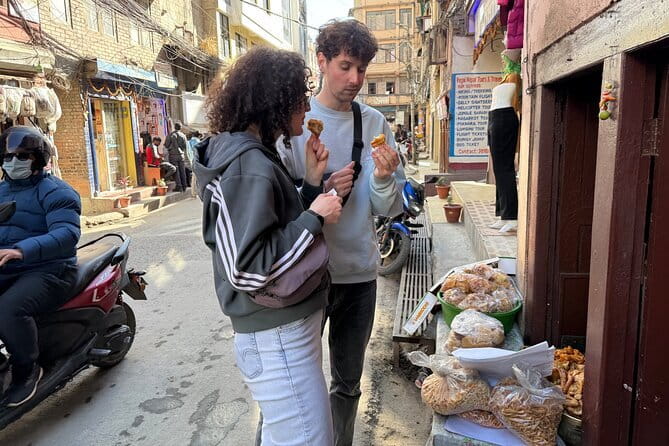
This is a food tour, first. The shopping is there, but the tasting sequence is what you’ll remember when you get back to your hotel.
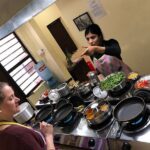
You can expect a mix of Nepali favorites and street classics, often served in small portions across multiple stops. Based on the dishes included during past runs, you may see items such as:
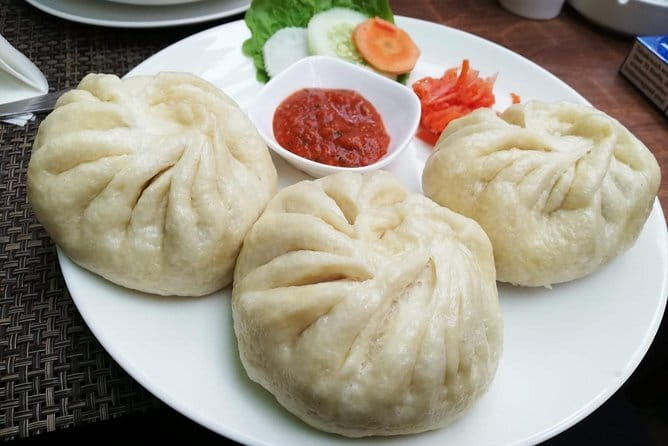
- Momos (including chicken steamed mo:mo)
- Thukpa (a hearty noodle soup; one of the standout favorites)
- Samosas (spicy versions are common)
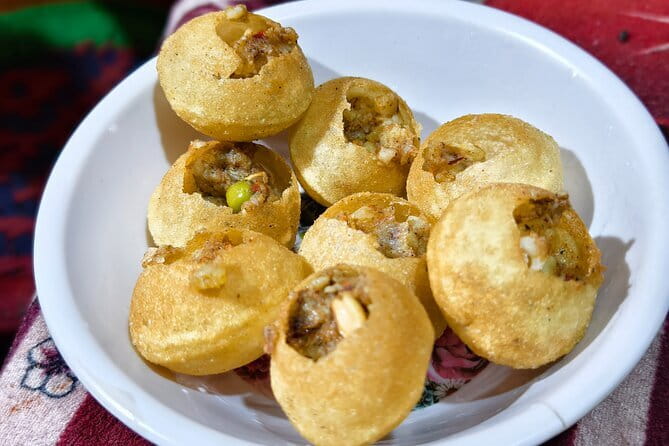
- Panipuri (pani puri)
- Sel roti (a sweet, ring-shaped fried bread)
- Bara (a lentil-based dish)
- Chatamari (often described as a savory Nepali rice/egg-style dish)
- Thekuwa (khajuri) (a sweet snack)
- Sugarcane juice, often with lemon
- Masala milk tea and other tea options
- Plus additional local snacks and desserts
Here’s why this matters for you: many food tours in Kathmandu oversell variety but end up repeating the same “safe” items. This one spreads tastings across multiple eateries and snack styles. You’re not only eating; you’re comparing textures, spice levels, and how each dish is used—quick bite food versus something more filling.
Spice level is worth planning for. One past guest noted that some items were too spicy for their English taste buds. You don’t have to power through. Ask for milder seasoning if you want it toned down. Your guide can help you navigate what to order and how to handle spice without turning the whole tour into a fire-drill.
Also pay attention to the drink moments. Sugarcane juice with lemon is a perfect palate reset after spicy snacks, and it’s one of those things that makes the tour feel local rather than just convenient.
Tea, coffee, and small breaks that keep the route enjoyable
Food tours can turn into marathon-snacking if there’s no structure. This one builds in break time and drink stops so you don’t just inhale food and keep walking.
You’ll likely get pauses for:
- Coffee or tea tastings
- Dessert stops
- Moments to take photos and regroup
- Time for guided browsing and short free time during the market portion
In one run, a guide stopped the group for sugarcane being pressed for juice, which made the drink feel tied to the city’s daily life instead of a random menu item. Even if your specific route differs, the pattern stays useful: drinks and sweets help you recover between heavier dishes like noodle soup or dumplings.
If you’re jet-lagged, these small breaks are also a practical win. They keep the tour from feeling like non-stop hustling and give you a chance to slow down long enough to enjoy Kathmandu instead of just survive it.
Bargaining tips and shopping guidance: what to ask for and what to skip
The tour’s shopping portion isn’t random. It’s paired with a guide who helps you shop smarter—especially when you’re trying to buy Nepali-made goods.
You’ll learn how to:
- Distinguish authentic local products from lower-quality tourist items
- Get a feel for fair pricing (with assistance negotiating prices)
- Make purchases without feeling pressured
This is valuable because Kathmandu souvenirs can range from beautifully made and meaningful to overly similar items that don’t feel special. A guide can point you toward better materials and help you avoid paying “first day in town” prices.
One practical piece of advice: come with an idea of what you want. Past participants specifically said to enter with a plan, because a market can pull you in ten directions at once. If you walk in thinking you’ll decide later, you may end up overwhelmed when it’s time to buy.
One more small consideration: the group flow can affect your shopping time. In at least one experience, some shops were separate, and part of the group continued shopping after others finished the food portion. That doesn’t mean anything is wrong—it just means you should decide early whether you want a hands-on buying session or a lighter browsing approach.
Handicraft centers and fair-trade stores: pashmina, masks, and Thangka art
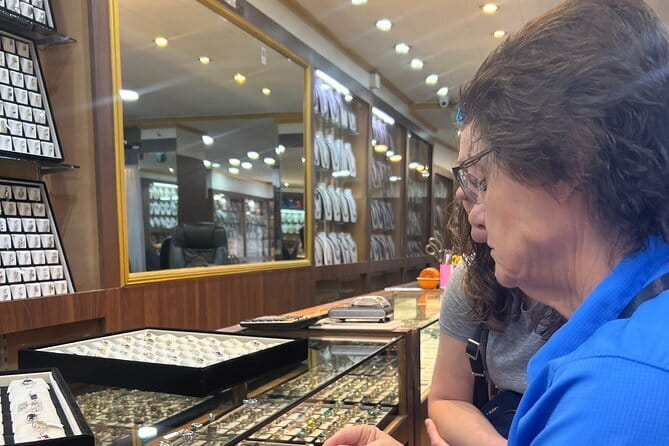
Shopping in markets is fun, but it can also be exhausting. This tour adds stops at local handicraft centers and fair-trade stores, which shifts you from street bargaining-only mode to a comparison mindset.
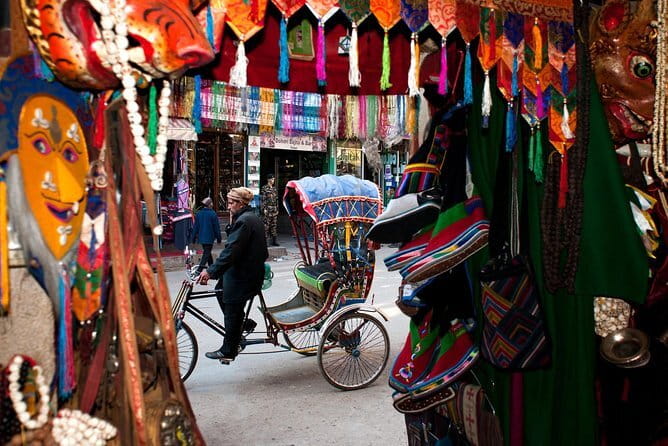
Depending on your route, you’ll have time to browse items such as:
- Pashmina shawls
- Wooden masks
- Thangka paintings
- Plus other textiles and traditional souvenirs
Why I like this mix for you: craft stores give you context. You can see more complete selections, understand what you’re looking at, and ask questions about materials and style. Even if you’re not buying art, it makes Kathmandu feel less like a shopping maze and more like a craft culture with real products behind it.
The fair-trade angle is also practical. It’s one way to shop while thinking about how goods are made and sold, not only how cheap they are. You still bargain when appropriate, but you’re doing it in places designed for more responsible retail.
And since the tour is time-limited (3 hours), it helps to have a guide steering you to a few strong shopping zones rather than sending you back into the full market grid alone.
You can also read our reviews of more tours and experiences in Kathmandu
Price and value: is $28 for 3 hours worth it?
At $28 per person for about 3 hours, the value comes from the bundle. You’re paying for more than walking with a guide.
What you get includes:
- A guided rickshaw ride
- A guide-led shopping route through Thamel
- Visits to handicraft centers and fair-trade stores
- Help negotiating prices
- Local food and drinks across multiple stops
Food-only tours in many places can cost close to this range, especially when they include multiple tastings. Here, you’re also getting structured market browsing and shopping guidance. That makes it a good deal if you want souvenirs but don’t want to spend your limited time figuring everything out alone.
The biggest cost risk isn’t the tour fee—it’s impulse buys. This tour gives you access to lots of tempting items. If you want value, set a budget before you start eating and shopping. Your appetite will rise fast, but your spending should stay calm.
Who this tour suits best (and who might feel cramped by it)
This is a strong fit if you:
- Want an easy way to see Thamel without spending hours mapping it
- Love trying lots of different Nepali snacks
- Want guidance for buying shawls, masks, and art
- Appreciate practical bargaining help
It can be less ideal if you:
- Prefer long sitting meals with lots of downtime
- Hate walking through busy streets for extended periods
- Want a fully customizable shopping plan (the route is guided and structured)
If you’re the kind of traveler who likes a “taste, then choose later” approach, this works well. If you’re the kind who needs total control, you might prefer a simpler food tour and save shopping for a separate self-guided afternoon.
Practical tips so the tour goes smoothly
A few small things will make the experience feel smoother and more fun.
- Bring cash for purchases. The tour data notes that not all vendors accept credit cards.
- Wear comfortable shoes. You’ll be walking through active market streets.
- If you’re spice-sensitive, ask for milder options. Some dishes can be quite spicy.
- Keep your shopping priorities simple. If you want pashmina or Thangka art, have that in mind early.
- Stay flexible about timing. Market routes move with the crowd and vendor flow.
One more tip: take a quick photo stop when you can, but don’t lose track of where the group is heading. This tour works like a chain—food, drink, then craft browsing—so missing a link can leave you scrambling later.
Should you book this Kathmandu rickshaw food and shopping tour?
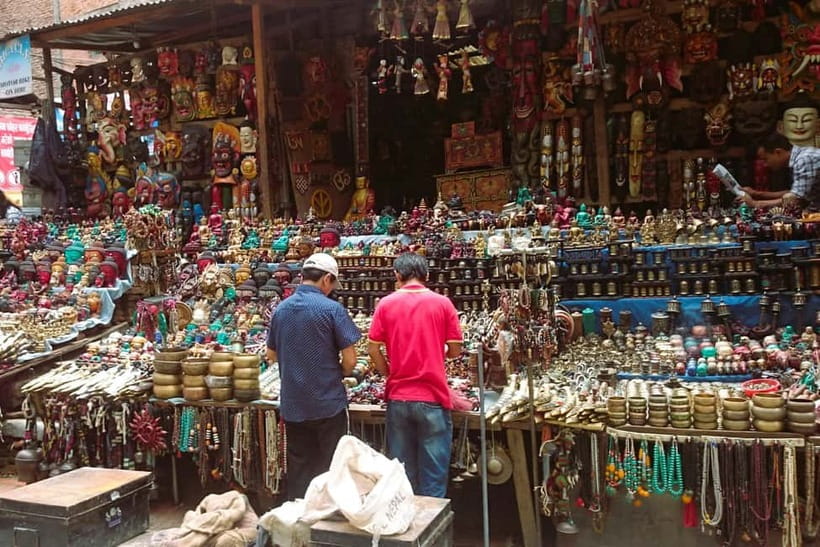
Book it if you want a 3-hour fix of Nepali flavors plus souvenir help, with a guided rickshaw loop and shopping stops that go beyond random street stalls. It’s especially worth it if this is your first time in Kathmandu and you want to get your bearings fast.
Skip or adjust your expectations if you dislike walking through busy areas, or if you’re only interested in one part (just food or just shopping). In that case, you might enjoy a more focused option.
My take: this is a good “do it once” tour. It gives you tasty direction and shopping clarity, and it helps you spend Kathmandu time on the stuff you’ll actually remember.
FAQ
How long is the Kathmandu Food, Drink and Shopping Rickshaw Tour?
The tour lasts 3 hours.
Where do I meet the guide?
You can meet at either Kaiser Library in Kathmandu or at Kathmandu, depending on the pickup option.
Is pickup included?
Yes. Pickup is included, and you’ll be asked to update the provider with phone calls, messages, or emails.
What’s included in the tour price?
Included are the guided rickshaw ride, a guide-led shopping tour, a visit to Thamel, visits to local handicraft centers and fair-trade stores, help negotiating prices, and local food and drinks.
What should I bring for the tour?
Bring comfortable shoes and cash.
Is cash necessary for shopping?
Cash is recommended because not all vendors may accept credit cards.
What foods and drinks can I expect to try?
The tour includes local Nepali food and drinks. Dishes and drinks that may show up include momos, sel roti, thukpa, samosas, panipuri, chatamari, sugarcane juice, masala milk tea, and desserts.
What souvenirs can I shop for during the tour?
You can shop for items like pashmina shawls, wooden masks, Thangka paintings, and more.
What languages does the live guide speak?
The guide can speak English, Nepali, Hindi, Chinese, Russian, Japanese, Korean, Spanish, German, and French.
Is the tour wheelchair accessible and can I cancel for a refund?
The tour is wheelchair accessible. You can cancel up to 24 hours in advance for a full refund.