REVIEW · POKHARA
5 Days Mardi Himal Trek.
Book on Viator →Operated by Dadhi Ram Thapa · Bookable on Viator
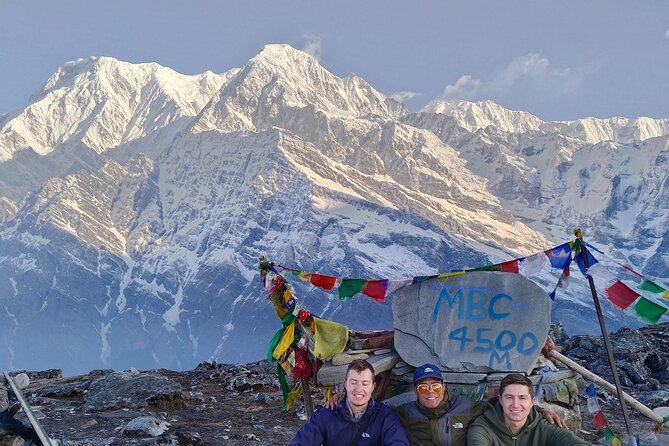
A virgin-feeling trek with big payoff. This 5-day Mardi Himal route climbs toward about 4,500 meters, with a mix of forest walks, open ridges, and wide mountain views along the way.
I really like two things about this trek: Dadhi Ram Thapa’s guide style and the changing scenery from camp to camp. He’s described as friendly, very experienced, and flexible with the plan when you want adjustments, plus he answers questions as you walk. My one key consideration is budget: meals and drinks are not included, so plan on roughly $30 per day per person for food.
In This Review
- Key highlights you’ll actually feel on the trail
- Mardi Himal in 5 days: why this route feels different
- Pokhara logistics and the 8:30 am start that keeps things simple
- Day 1 to Pothana: the warm-up trek after a ride from Pokhara
- Day 2 to Forest Camp: birds, river views, and that quiet forest rhythm
- Day 3 to Mardi High Camp: forest to hills and the glacier-type views
- Day 4 sunrise viewpoint and the trek to Siddhing
- Day 5 to Lumre and back to Pokhara: rural life, a hanging bridge, and closure
- Price and value: what $500 includes, what to budget for meals
- The guide makes the trek: what Dadhi Ram Thapa is known for
- Accommodation on the teahouse plan: simple, included, and good enough
- Who this 5-day Mardi Himal trek fits best
- Should you book this 5-day Mardi Himal trek?
- FAQ
- What time does the 5-day Mardi Himal trek start?
- Where is the trek based?
- How long is the trek?
- Is hotel pickup and drop-off included?
- What does the $500 per person price include?
- Are meals included?
- How difficult is it?
- Is it a private tour?
- What is the cancellation window?
Key highlights you’ll actually feel on the trail
- Dadhi Ram Thapa as your guide: experienced, friendly, and able to adjust the route if your group wants a different pace
- Teahouse accommodation included: you’re not figuring out lodging every night
- Forest-to-hill walking on Day 3: a real change in terrain and viewpoints
- Early morning sunrise viewpoint on Day 4: the kind of moment that sets the whole day’s mood
- Hanging bridge and rural Lumre on the last day: a human-scale finish back toward Pokhara
- Private tour setup: only your group participates, so the rhythm feels less rushed
Mardi Himal in 5 days: why this route feels different
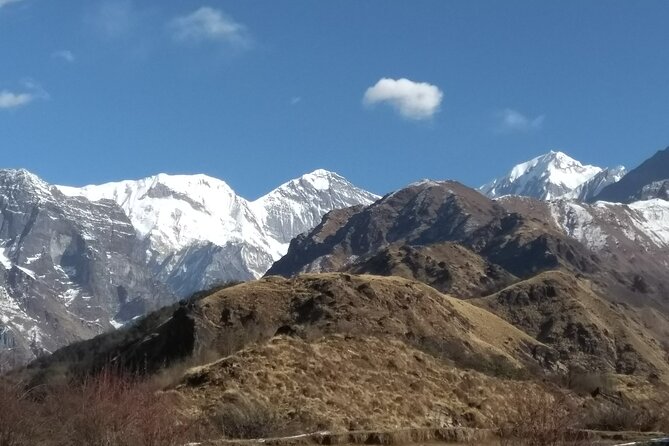
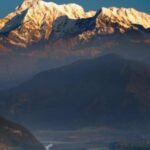
The big draw is that this trek is often described as a pioneer-style path, not the same well-trodden circuit you’ve seen everywhere. You’re heading through a quieter chunk of the Annapurna region where the trail keeps turning up new angles of ridges, valleys, and glaciers.
Over the course of five days, you’ll feel the altitude gradually, starting low and building toward high viewpoints and camps. That pacing matters because it gives you time to get used to breath rate and slower walking without turning every day into a death march.
You can also read our reviews of more hiking tours in Pokhara
Pokhara logistics and the 8:30 am start that keeps things simple
Your tour starts at 8:30 am, and it includes hotel pickup and drop-off in Pokhara. You also get necessary transportation, which matters on this kind of trek because it removes the hassle of arranging local rides before your first step on the trail.
This is a private tour/activity, so only your group participates. That can be a comfort advantage if you want a steadier pace or if your group has specific preferences. It also tends to make it easier to ask questions and get answers in real time while you’re walking.
Day 1 to Pothana: the warm-up trek after a ride from Pokhara
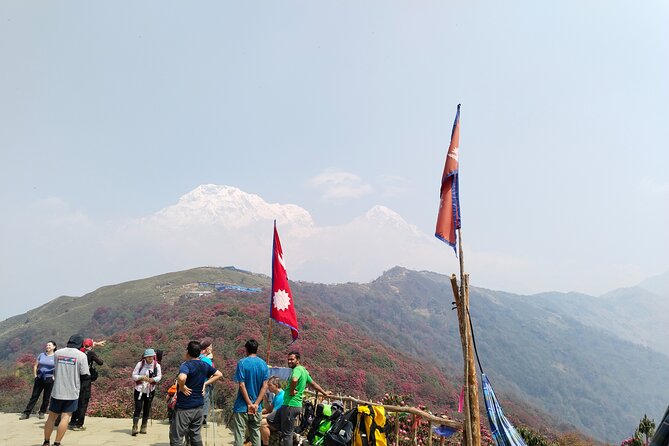
Day 1 begins with transport from Pokhara toward Melbot, then you start trekking to Pothana. The walk is about 5 hours, and it’s a good way to settle in after travel, without jumping straight into the hardest climbing.
Pothana is where the trek starts to feel real. You’re already seeing mountain views and getting used to the slower rhythm of a multi-day hike, but you’re not yet at the steepest sections of the route.
Practical thought: on Day 1, your goal should be consistency, not speed. If you start strong and rush, you’ll feel it later when the days extend to about 6 hours of trekking.
Day 2 to Forest Camp: birds, river views, and that quiet forest rhythm
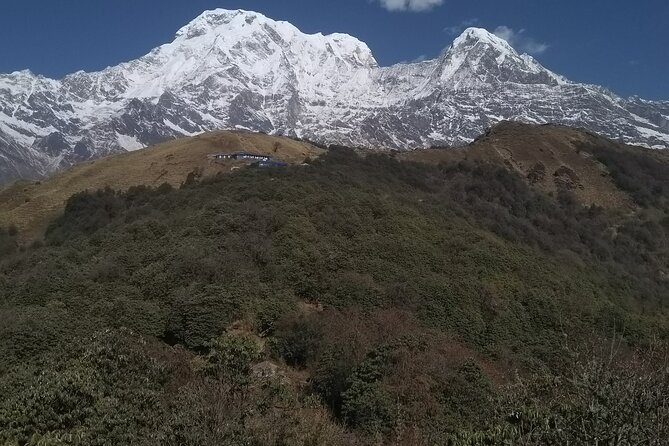
On Day 2 you begin after breakfast and trek about 5 hours to Forest Camp. This day is known for a forest walk with frequent chances to look out at the mountains, plus river views and birds along the way.
What I like about this kind of day is that it balances effort and comfort. Forest trails tend to be steadier to walk than constant exposed climbs, and the shade can help your legs stay fresher if the weather is warm.
A heads-up to plan around: if you’re trekking during monsoon season, foggy sections can happen. The walk can feel mysterious and a bit slippery, but it’s still possible, and the experience is often described as memorable because the forest changes character when clouds roll in.
Day 3 to Mardi High Camp: forest to hills and the glacier-type views
Day 3 is one of the most important days on the trek because it pushes you to Mardi High Camp in about 6 hours. The walk is described as roughly half through forest and half through hills, so you don’t just repeat the same trail texture for a whole day.
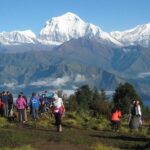
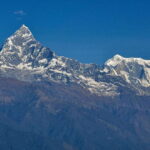
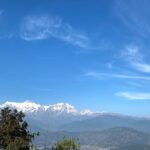
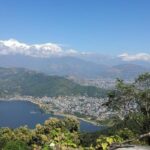
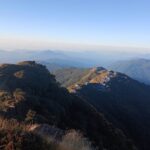
This is also where the views expand. You’ll be looking out to both sides: valley views, a river, and glimpses described as glacier scenery, plus more mountain views from higher ground.
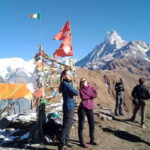
Why this day matters for you: it builds confidence. By the time you reach a high camp like Mardi High Camp, you’ve already practiced the “walk, pause, breathe, look around” routine. You’ll be more prepared for the early start and viewpoint focus on Day 4.
You can also read our reviews of more tours and experiences in Pokhara
Day 4 sunrise viewpoint and the trek to Siddhing
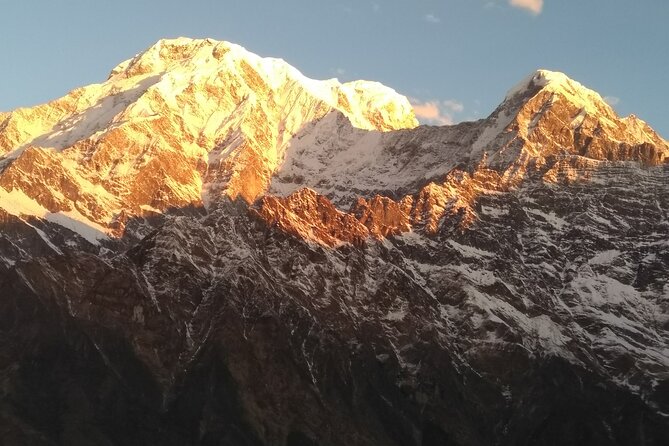
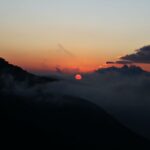
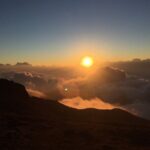
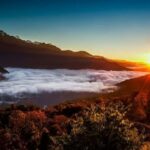
Day 4 starts early with a trip to the view point for sunrise. You’ll see the mountains changing as the light arrives, then you return to the teahouse area, eat breakfast, and trek to Siddhing in about 6 hours.
This split day is smart. Sunrise hikes often feel like a small extra push, but by anchoring it to a specific goal, you’re less likely to wander aimlessly in the cold morning air. Once breakfast is back on the table, you can shift your energy from photo mode to steady trekking.
As for the Siddhing part: it’s a transition day, moving you from the high-energy viewpoint moment into a more settled end-of-trek atmosphere. It also positions you well for your final descent and village walking on Day 5.
Day 5 to Lumre and back to Pokhara: rural life, a hanging bridge, and closure
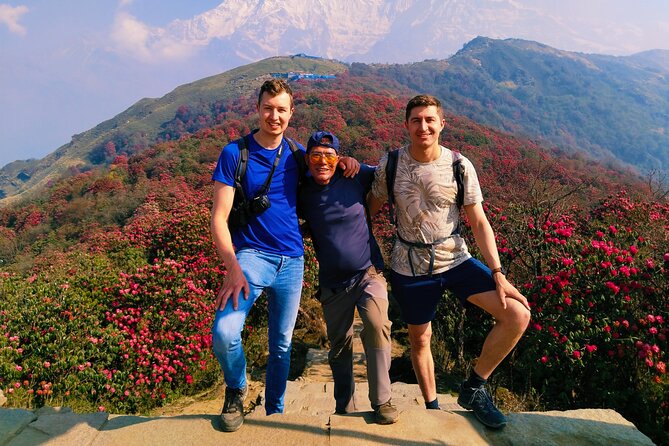
Day 5 is your last trekking day. After breakfast you trek to Lumre (about 6 hours total including the walking), and along the way you pass through rural villages and cross a hanging bridge.
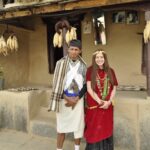
This is where the trek becomes more than scenery. The village sections add texture to the journey, reminding you that this isn’t just a climb through mountains. It’s also a route that locals recognize and live around.
You’ll have lunch at Lumre, then you drive back to Pokhara and your trek ends. That return part is included, which helps your group avoid the common post-trek scramble.
Price and value: what $500 includes, what to budget for meals
The price is $500 per person for a 5-day trek. For me, the best value signals are the practical inclusions: TIMS/permit, teahouse accommodation, an English-speaking trekking guide, and necessary transportation with hotel pickup and drop-off.
Those items are the stuff that quietly costs money and stress when you plan on your own. By bundling them, you get one responsible operator handling the basics, so you can focus on the walking and the views.
The part you must budget separately is food. All meals and drinks aren’t included, and the estimate provided is about $30 per day per person. That’s not outrageous, but it’s big enough that you should plan your total trip cost before you book, especially if you like tea, coffee, or snacks.
Tips are also not included and are marked as optional. If you’ve enjoyed your guide’s pacing, knowledge, and flexibility, you’ll likely want to show appreciation.
The guide makes the trek: what Dadhi Ram Thapa is known for
One of the strongest themes is the guide. Dadhi Ram Thapa is described as experienced and friendly, with the ability to answer questions during the trek. That matters because Mardi Himal isn’t just about reaching a camp. It’s about understanding what you’re seeing: terrain, weather shifts, and the way the route connects to the larger region.
The flexibility is also a real quality. You can feel it when a guide doesn’t treat the trek like a rigid checklist. If your group wants to adjust pacing or route details, a guide who can respond makes the experience more comfortable and more personal.
For your planning: if you’re the kind of traveler who likes asking why the trail turns, where a viewpoint is best, or what a foggy forest means for visibility, this guide setup should suit you.
Accommodation on the teahouse plan: simple, included, and good enough
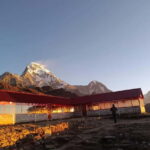
You’ll stay in teahouses, and that accommodation is included. Teahouses are basic by design, so you should expect a comfortable place to rest more than a luxury hotel experience.
The upside is convenience. Every night is handled, which keeps you from making decisions about lodging availability after a long day. It also gives you a predictable routine: hike, arrive, eat, sleep, repeat.
The best strategy for sleeping well at higher elevation is to follow the rhythm your guide sets and keep your expectations realistic. You don’t need to be miserable; you just need to let your body settle after long walking hours.
Who this 5-day Mardi Himal trek fits best
This trek is aimed at people with moderate physical fitness. That usually means you should feel comfortable walking several hours per day and handling steady uphill segments without needing frequent long breaks.
It’s a strong match if you want:
- a less crowded-feeling route compared to the most famous trails
- an experienced guide who can explain what you’re seeing
- forest walking plus a genuine high-point feel with sunrise on Day 4
If you’re dealing with serious medical limits or you struggle with altitude changes in general, you should be extra cautious and talk with a medical professional before committing. This route climbs toward 4,500 meters, so preparation matters.
Should you book this 5-day Mardi Himal trek?
I’d recommend booking if you want a guided trek where the main parts are handled for you: permits, teahouse beds, transportation, pickup/drop-off, and an English-speaking guide. The value is strongest when you factor in what would otherwise be annoying to organize in Pokhara.
You might think twice if your budget is tight, because meals and drinks add about $30 per day. And if you hate early starts, the sunrise viewpoint on Day 4 is non-negotiable in the plan.
If you want a trek that mixes quiet forest walking, big mountain moments, and a guide who can answer questions and adjust when needed, this one is a solid bet.
FAQ
What time does the 5-day Mardi Himal trek start?
The start time is 8:30 am.
Where is the trek based?
The trek is operated out of Pokhara, Nepal.
How long is the trek?
It’s listed as 5 days (approx.).
Is hotel pickup and drop-off included?
Yes, hotel pickup and drop-off are included.
What does the $500 per person price include?
It includes TIMS and permits, teahouse accommodation, an English-speaking trekking guide, and necessary transportation.
Are meals included?
No. All meals and drinks are not included. The estimate given is around $30 per day per person.
How difficult is it?
It’s recommended for travelers with moderate physical fitness.
Is it a private tour?
Yes. Only your group will participate.
What is the cancellation window?
You can cancel for a full refund if you cancel at least 24 hours in advance of the experience start time. Cancellation less than 24 hours before the start time is not refunded.