REVIEW · KATHMANDU
Manaslu Circuit Trek – 14 days of Himalayan Adventure
Book on Viator →Operated by Wonder Himalaya · Bookable on Viator
Manaslu has a way of making you slow down. This 14-day Manaslu Circuit Trek puts you in the Manaslu Conservation Area with big Himalayan views and small-village days that feel more human than hectic.
I really like two things here. First, you get an all-in setup that includes key permits and a government-registered guide, plus an oxygen- and heart-check oximeter to help you stay aware as altitude builds. Second, the trek blends high-country scenery with culture: Tibetan-influenced villages, Buddhist monasteries, mani walls, chortens, and prayer flags along the way.
One drawback to consider: this route includes higher passes, including a crossing of Larkya La Pass, so you need moderate fitness and good acclimatization habits. If your idea of a trek is mostly flat walking and short days, this one may feel like hard work.
In This Review
- Key highlights worth planning for
- Why Manaslu feels different on this circuit loop
- Getting to the trek: Kathmandu, then straight to the trail vibe
- Days 3 and 4: Forest walking along the Budhi Gandaki and suspension bridges
- Days 5 to 7: Tibetan-influenced villages and big views gradually taking over
- Day 8 acclimatization: Birendra Taal and Labrang Gompa time
- Days 9 and 10: Samdo Village, rockier terrain, and prayer flags overhead
- Day 11: Larkya La Pass crossing and the long payoff descent
- Days 12 and 13: coming down through forests, then back to Kathmandu
- Day 14: a clean finish in Kathmandu
- Price and value: what $1,099 buys you on a real trek
- Guide care is part of the product here
- Who should book this Manaslu Circuit trek
- Should you book Wonder Himalaya for Manaslu Circuit?
- FAQ
- FAQ
- What city do I start from on this trek?
- How long is the Manaslu Circuit trek in this program?
- What is the price per person?
- Is pickup offered?
- What kind of physical fitness is needed?
- Do you cross Larkya La Pass?
- Is there an acclimatization or rest day?
- What cultural or monastery visits are included?
- What permits are included?
- What meals and gear are included?
- What’s not included in the cost?
Key highlights worth planning for
- Less-crowded feel on a famously scenic loop since it runs through protected and restricted zones
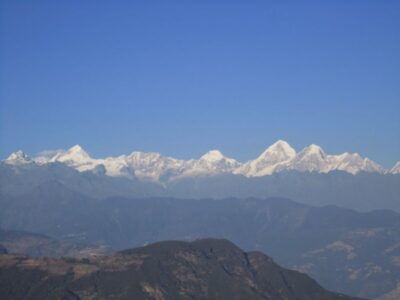
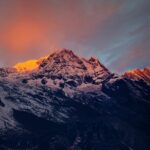
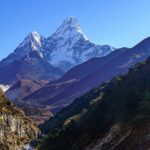
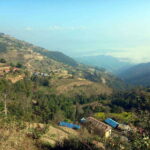
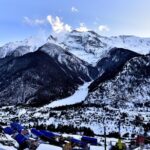
- Manaslu views every few days, with the massifs showing up from forests, ridges, and higher villages
- Acclimatization day at Sama Gaon plus a short hike to Birendra Taal and time at Labrang Gompa/Kargya Chholing
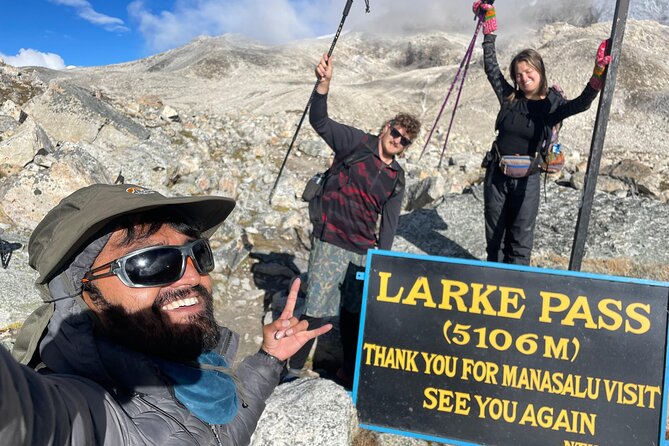
- Larkya La Pass crossing followed by a long, scenic descent to Bhimtang
- Support-minded guiding, with guides known for waiting and staying aware of the whole group
- Meals and basic gear included, including a down-filled sleeping bag and walking poles
Why Manaslu feels different on this circuit loop
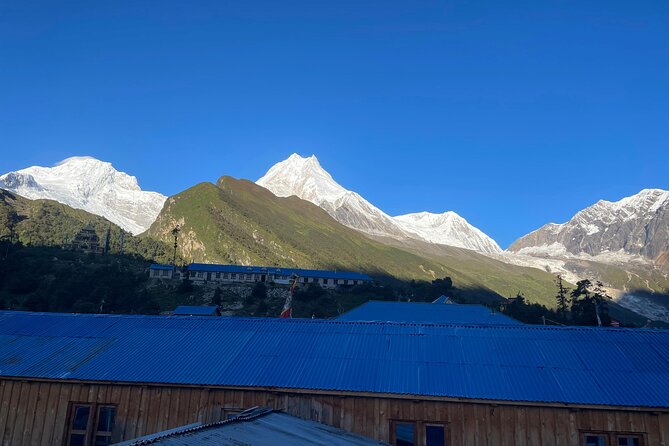
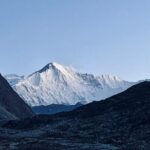
The Manaslu region is built for people who like real trails, real villages, and changing scenery instead of a quick highlight tour. This trek centers on the world’s eighth highest peak, Mount Manaslu (8,163 m), while also sweeping your eyes across Ganesh Himal and the wider Annapurna Massifs area.
What makes this itinerary attractive is how it balances mountain drama with daily texture. You spend time on subtropical forest paths early on, then work into alpine ridges, and finally hit the pass and descent. You also get a clear cultural thread: Tibetan influence shows up in villages like Bihi Phedi and Bihi, and Buddhist traditions show up in monuments and monastery visits.
The value side is practical. You’re not just buying “days on a trail.” You’re paying for permits, a guide system, and guided pacing that matters when the air gets thin. And in the feedback I’ve seen, guides such as Santosh are singled out for taking care of the group and making sure no one lags behind.
You can also read our reviews of more hiking tours in Kathmandu
Getting to the trek: Kathmandu, then straight to the trail vibe
You start in Kathmandu, with a representative from Wonder Himalaya waiting at Tribhuvan International Airport (TIA). It’s a small thing, but it reduces the first-day confusion—especially if you land tired and your brain is still hunting for your SIM card.
After an early breakfast in Kathmandu, you’ll drive out toward Maccha Khola. The drive is part of the experience here: you’ll see views tied to the Trishuli and Budhi Gandaki rivers along the route. This matters because it sets your geography early; later, when you’re trekking beside the Budhi Gandaki, the river won’t feel like a random name on a map.
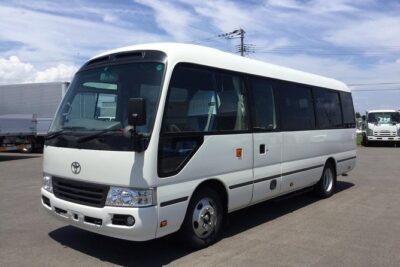
One thing to note: included transport is spread across multiple legs—Kathmandu to Machikhola, Tilche to Besisahar, and Besisahar to Kathmandu—so your days involve road time as well as walking. If you hate transitions, plan your mindset for a mix of jeep/road and trekking rhythm.
Days 3 and 4: Forest walking along the Budhi Gandaki and suspension bridges
On Day 3, the trek begins from Maccha Khola area and moves toward Jagat through subtropical forests along the Budhi Gandaki River. This is where the trail feels alive: the walk is framed by forest shade early, and the river keeps pulling your attention forward.
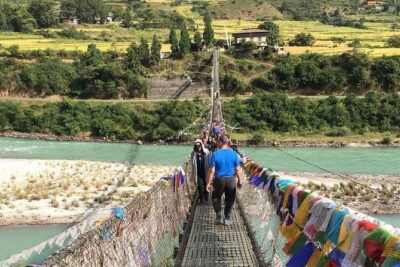
Day 4 deepens that “walk through the green” feeling. You’ll go through dense forest, including rhododendron, and you’ll cross several suspension bridges over rushing streams. Bridges are often a mental speed bump on high-country treks, but they’re also memorable. They break up the day and remind you that you’re moving through a real river system, not just climbing to viewpoints.
If you’re the type who likes steady effort, these early days are a good warm-up. If you’re prone to impatience, you might want to pace yourself anyway, because the later days get steeper and colder.
Days 5 to 7: Tibetan-influenced villages and big views gradually taking over
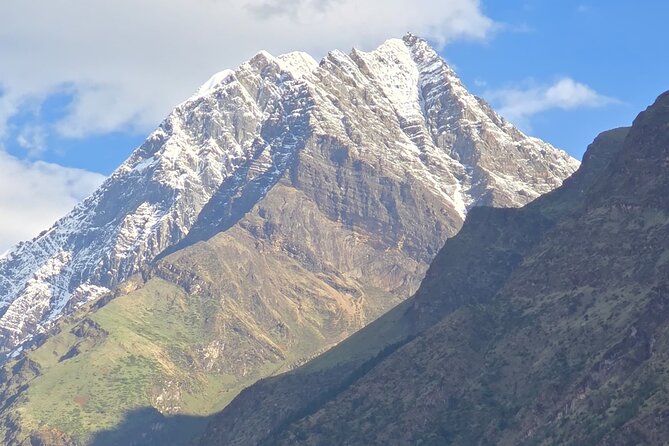
Day 5 takes you from Deng toward Namrung. One of the most interesting aspects is how cultural influence shifts. You pass through Bihi Phedi and Bihi, where Tibetan influence becomes more visible, and the trail continues through forest and village scenes.
That cultural shift is not just aesthetic. It changes how the villages feel and how the trail connects to local life. In the Manaslu region, Tibetan Buddhism leaves a strong mark in daily surroundings, and this itinerary deliberately threads that into your walking days rather than saving it for one museum stop.
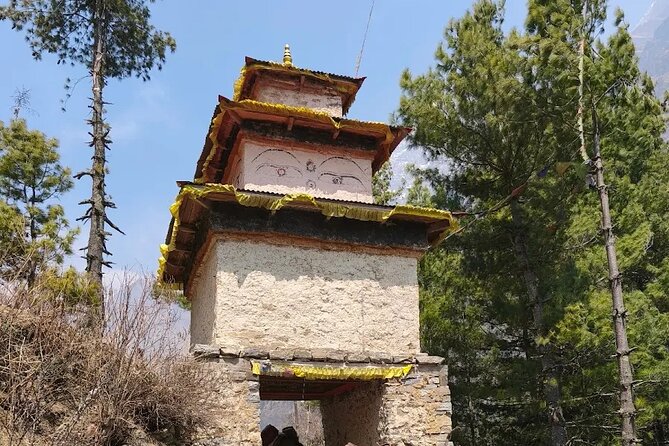
Day 6 goes Namrung to Shyala. You’ll ascend through rhododendron and pine forests, and along the way you’ll pass Buddhist mani walls and chortens. Day 7 then moves from Shyala to Sama Gaon, shifting toward alpine forest and open ridges with broad Manaslu massif views.
By the time you reach Sama Gaon, you’re not just seeing mountains in the distance. The mountains start showing up as your constant background, which is exactly the kind of slow-burn reward that makes a multi-day trek feel worth it.
Day 8 acclimatization: Birendra Taal and Labrang Gompa time
This is one of the smartest pieces of the whole plan: a full acclimatization and rest day at Sama Gaon. You’re given time to get physically and mentally ready before higher elevations demand more from you.
On that day, you take a short-day hike to Birendra Taal, named after the late King Birendra of Nepal. You also visit Labrang Gompa (or Kargya Chholing) monastery, where monks do blessing ceremonies. Admission for this stop is listed as free, which is a nice budget relief inside the overall trek cost.
Why this day matters: it gives your body a chance to adjust without sacrificing the rhythm of the trip. You still move on foot, but you’re not stacking altitude pressure on top of a long climb.
Days 9 and 10: Samdo Village, rockier terrain, and prayer flags overhead
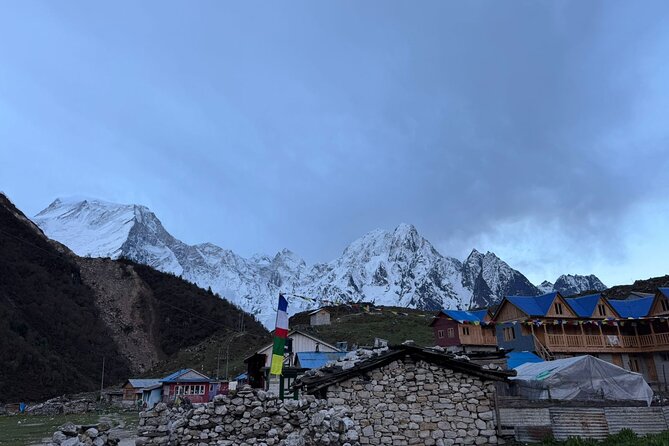
Day 9 continues higher toward Samdo Village. As you climb, the terrain becomes more rugged, and the Manaslu Peak is described as watching over you with every step. That phrase is a hint at what you’ll feel: the higher you go, the more the mountains stop looking like a backdrop and start feeling like a presence.
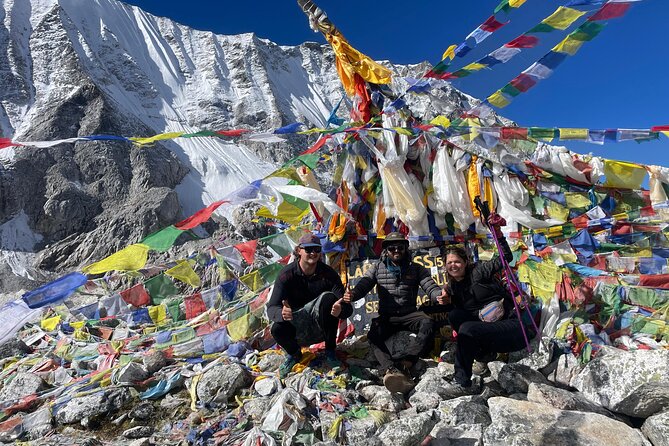
Day 10 pushes further into more rocky trails. You’ll see views of tall peaks, including Manaslu and nearby mountains, and you’ll notice prayer flags fluttering along the route. Even if you’re not a long-time Buddhism follower, these small roadside signals make the landscape feel lived-in.
From a trekking strategy standpoint, these two days are the “build” days. After your rest and short hike, you’ll likely appreciate the structure: climb, notice the views, keep steady, and don’t rush your breath.
Day 11: Larkya La Pass crossing and the long payoff descent
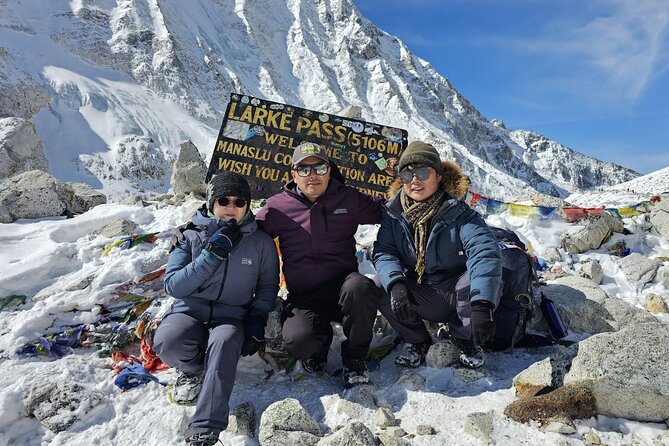
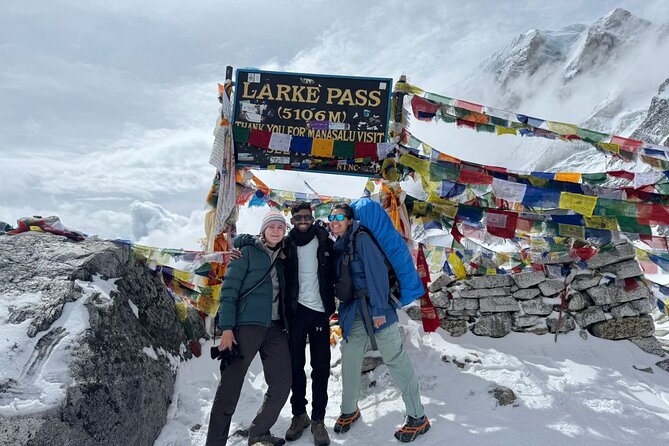
Day 11 is the classic hard day. You start with an early breakfast, then cross Larkya La Pass and head toward Bhimtang. The day includes crossing streams and walking through varied terrain before you reach the next stop.
After crossing, the itinerary has you go downhill for four to five hours through rocky paths and open valleys to reach Bhimtang. This is a key pattern on Himalayan treks: your biggest “vertical moment” can be followed by a long descent that still requires full attention for knees, footing, and stamina.
When people talk about the Manaslu Circuit’s reward, it’s usually tied to days like this: you earn your views, then spend hours soaking them in while moving carefully. It’s also where the guide and support team matter most—keeping the group together and watching for anyone who’s slowing more than expected.
Days 12 and 13: coming down through forests, then back to Kathmandu
Day 12 moves you away from the higher altitude into lower elevations. You’ll descend through pine and rhododendron forests, with occasional glimpses of distant mountains. This is where the trek can feel like a relief without becoming boring: the air gets easier, but the walking still has character.
Day 13 switches from trekking to travel days in a big way. You’ll drive in a jeep toward Besisahar (with time that’s described as exploring the scenery from the window), then continue the return journey to Kathmandu. The road is described as rough in parts, so your comfort on vehicles becomes part of your experience.
A practical note: electronic device re-charging and bottled water are listed as not included. So if your phone is your map, your group chat, and your camera at the same time, plan for power and water needs.
Day 14: a clean finish in Kathmandu
On the final day, you bid farewell and get arranged transfer to Tribhuvan International Airport. By this point, you’re usually tired in the best way—because you’ve done the work and the mountain has already given you its share of unforgettable scenes.
This last day is about closure and logistics, not adventure. Keep your luggage organized the night before so you’re not playing treasure-hunt with your stuff while everyone is lining up.
Price and value: what $1,099 buys you on a real trek
At $1,099 per person, this trek isn’t priced like a casual hike. But it also isn’t priced like a luxury retreat either. What I like about the value is what’s explicitly included.
You get major permits: Manaslu Conservation Area Permit, Annapurna Conservation Area Permit, and a Restricted Area Permit. Those are the kinds of costs that can surprise people when they try to plan independently.
You also get an experienced government-registered trekking guide, strong porters and support crew (as described), plus an oximeter for oxygen saturation and heart-rate checks. And you receive trekking equipment support: a down-filled sleeping bag and walking poles, along with a trekking route map.
Meals are also built in. The itinerary includes 13 breakfasts and 11 lunches and 11 dinners. That’s a big deal on treks where buying food day-by-day can get expensive or unpredictable.
What’s not included is equally important. Bottled water is not included, and coffee/tea, alcohol, snacks, travel insurance/medical evacuation, personal expenses, and re-charging are all listed separately. If you’re the kind of traveler who drinks lots of hot drinks or snacks constantly, you’ll want to budget for that.
Guide care is part of the product here
The trek quality isn’t only the mountains. It’s who keeps the group safe, moving, and sane on long days.
In the feedback tied to this program, guides such as Santosh are praised for staying attentive—waiting for people and helping the group stay together. Another name that pops up in the experience is Niranjan, described as giving the best offer based on traveler preferences, and Pradip appears as a contact who helped set things up smoothly. Even if you don’t get the same guide, the pattern is clear: support and communication are treated as real parts of the trip.
If you want an adventure with caring structure—not just a GPS line and a ticket—this style fits that goal.
Who should book this Manaslu Circuit trek
This trek is best for you if you want a moderate fitness challenge, and you’re ready for a multi-day rhythm with a real high pass. The route is designed for trekkers who care about cultural stops as much as views.
You’d also like it if you prefer a trek that’s described as one of the most satisfying and less crowded options among Nepal destinations. That matters because crowding changes the whole mood—where you stop, how you photograph, and how peaceful the evenings feel.
If you’re short on time, or you only want easy walks with minimal altitude stress, you might be happier with a shorter trek. The Larkya La crossing is not a “maybe” moment; it’s on the schedule and it changes how you need to prepare.
Should you book Wonder Himalaya for Manaslu Circuit?
I think you should book this trek if your priorities are: strong support, cultural richness, permits handled, and a route that gives you time to adapt before you push higher. The included guide setup, oxygen/heart checks, down sleeping bag, and walking poles all reduce the planning headache.
I’d pause and ask questions before booking if you’re very sensitive to vehicle discomfort since there’s a good amount of road time (including a rough stretch described on the way back). Also, if you’re unsure about how you handle altitude, take the acclimatization day seriously and follow the guide’s pace.
If the $1,099 price feels fair to you in exchange for permits, meals, guide support, and core gear, this is a solid match for a classic Himalayan circuit.
FAQ
FAQ
What city do I start from on this trek?
You start in Kathmandu, Nepal, and the itinerary begins after arrival at Tribhuvan International Airport.
How long is the Manaslu Circuit trek in this program?
The duration is listed as approximately 14 days.
What is the price per person?
The price is $1,099.00 per person.
Is pickup offered?
Pickup is listed as offered.
What kind of physical fitness is needed?
The info says travelers should have a moderate physical fitness level.
Do you cross Larkya La Pass?
Yes. The itinerary includes crossing Larkya La Pass on Day 11.
Is there an acclimatization or rest day?
Yes. Day 8 is dedicated as an acclimatization and rest day at Sama Gaon.
What cultural or monastery visits are included?
On Day 8, there is a visit to Labrang Gompa or Kargya Chholing monastery, and there’s also a short hike to Birendra Taal Lake.
What permits are included?
Included permits are the Manaslu Conservation Area Permit, Annapurna Conservation Area Permit, and a Restricted Area Permit.
What meals and gear are included?
Breakfast is included (13), plus lunch (11) and dinner (11). Trekking equipment included is a down-filled sleeping bag and walking poles, along with an oximeter and a trekking route map.
What’s not included in the cost?
Not included: coffee and/or tea, alcoholic beverages, bottled water, snacks, personal expenses, electronic device re-charge, travel insurance and medical evacuation, and private transportation if you hire it.