REVIEW · KATHMANDU
Kathmandu City Tour in 6 Hours – Discover the Cultural Highlights
Book on Viator →Operated by Mountain Hike Nepal · Bookable on Viator
Wake up to Kathmandu’s spiritual mix.
This half-day tour is interesting because it’s built like a smart sightseeing loop: you get picked up via private vehicle with driver, then hop between four of the city’s most recognized religious and cultural landmarks. Two things I like right away: you’re not stuck fighting traffic or figuring out routes, and the stops cover Hindu and Buddhist Kathmandu in one day, so the city’s complexity actually makes sense. One drawback to note up front: there’s no guide included, so if you want deeper explanations at each site, you’ll likely want to hire one (plus pay entrance fees).
If you want a quick hit of iconic Kathmandu, this delivers. You get a set route, a friendly driver, and enough time at each place to actually look around—not just park, rush, and vanish. You’ll also see major districts that connect to major communities, like the Newari heritage at Patan Durbar Square and the riverfront Shiva focus at Pashupatinath Temple.
The main “consideration” is cost flexibility. The tour price covers transport and the driver setup, but entrance fees are extra, and your time can stretch to a full 6–7 hours depending on traffic and how long you pause inside each monument area.
In This Review
- Key things to know before you go
- A driver-led Kathmandu circuit that actually fits a half day
- Swayambhu Mahachaitya (Monkey Temple): the Hindu-Buddhist mix starts here
- Patan Durbar Square: Newari streets, red brick, and temple density
- Pashupatinath Temple: Lord Shiva on the Bagmati River
- Boudhanath (called Buddha Stupa here): a massive South Asia stupa and an old Tibet link
- Timing, pacing, and how the 9:15am start affects your day
- Price and value: paying for transport, not a full guided lecture
- What you get at each stop if you hire a guide
- Who this tour is best for (and who should consider something else)
- The booking decision: should you book this 6-hour Kathmandu highlights tour?
- FAQ
- What does the Kathmandu city tour include?
- Are entrance fees included in the tour price?
- Is a guide included with this tour?
- Where does the tour start and when?
- How long should I plan for this tour?
- What happens if weather is poor?
Key things to know before you go
- Driver-led, private vehicle: you travel door-to-door from Kathmandu accommodations (and the tour lists a meeting point at 9:15am in Satghumti) so you’re not navigating on your own.
- Guide not included: the tour is transport-focused; if you want interpretation, plan on hiring a guide for at least part of the route.
- Entrance fees are not included: budget extra for each monument/site stop.
- Ages 10+: it’s intended for travelers aged 10 and up.
- Swayambhu’s monkeys are part of the show: one stop is famous for its large monkey population, so plan for that environment.
- Boudhanath/Buddha Stupa is a big-ticket sight: it’s described as one of the biggest stupas in South Asia and tied to the ancient route linking to Tibet.
A driver-led Kathmandu circuit that actually fits a half day
Let’s talk about what this tour is really good at: getting you from place to place in a time window that doesn’t eat your whole day. The experience runs about 5–6 hours on paper, but the practical advice is to plan 6–7 hours. In Kathmandu, that extra cushion matters because you’ll be dealing with city traffic, lines at entry points, and the fact that the sites themselves encourage lingering.
The core setup is a private vehicle with driver, plus fuel, parking fees, and insurance. That means you’re paying for logistics, not for a lecture. It’s a nice match if you like to take your own photos, watch how people actually move through the spaces, and let the guidebook handle the rest—or if you plan to hire a guide at least for one or two stops.
Past feedback for Mountain Hike Nepal’s day trips also highlights that the team runs things smoothly, and some customers specifically thanked organisers named Manis and Manesh and noted English-speaking guides. That’s a good sign if you do decide to add a guide.
You can also read our reviews of more city tours in Kathmandu
Swayambhu Mahachaitya (Monkey Temple): the Hindu-Buddhist mix starts here
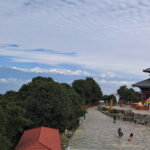
Your day kicks off at Swayambhu Mahachaitya, a site known for the close mix of Hindu and Buddhist shrines and stupas. The idea here is simple: you arrive at a place that already shows Kathmandu’s “both/and” spiritual reality, not one single tradition carved into stone.
This is also where the famous Monkey Temple reputation comes in. The tour description points to the massive monkey population as the reason it’s recognized by foreigners, and that’s exactly what you should expect to see. The practical takeaway: this stop is more than architecture. It’s a living environment, and you’ll want to keep an eye on your surroundings as you walk and pause for views.
What you’ll feel at Swayambhu: the site has energy. Even if you’re not chasing every shrine, just watching people queue, pray, and circle the stupa areas gives you quick cultural context. It also helps you get your bearings for the rest of the city—this hilltop viewpoint perspective makes Kathmandu’s layout easier to read.
Potential drawback: if you’re sensitive to animals in busy tourist areas, the monkey presence is not subtle. Give yourself patience and plan for small “public space choreography.”
Patan Durbar Square: Newari streets, red brick, and temple density
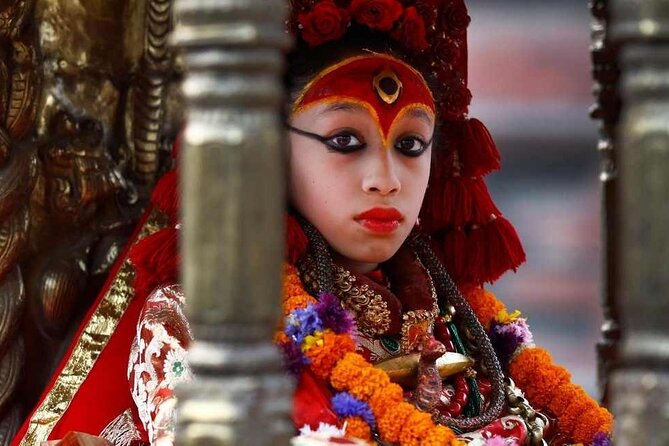
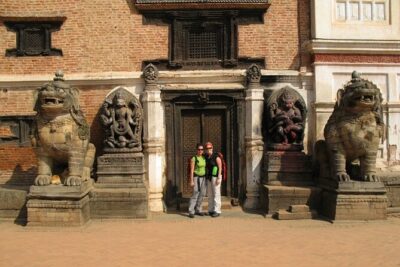
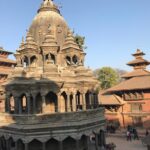
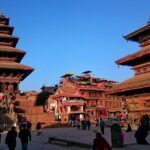
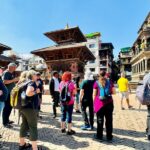
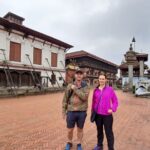
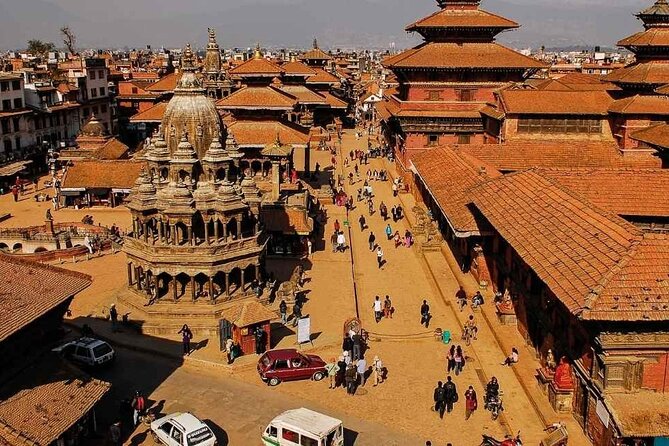
Next comes Patan Durbar Square, one of the city’s best places to understand Newari culture through built form. The tour framing is strong here: you’re not just looking at temples, you’re walking a historic space where the floor itself is described as red brick tiled in square shapes, surrounded by old residential Newari buildings and numerous temples.
This is where Kathmandu stops feeling like a checklist and starts feeling like a neighborhood. Patan’s Durbar Square doesn’t just shout importance; it shows how tightly religion, daily life, and community identity can blend. You’ll likely find yourself slowing down because there’s so much carved stone and so many angles to look at.
Why this stop is valuable even without a guide: the layout encourages exploration at your own pace. Even if you only catch the big symbols and general architectural styles, you’ll still get a sense of Patan’s identity and why Newari heritage is such a big deal in the Kathmandu Valley.
Possible tradeoff: this stop is visually busy. If you don’t like crowds or you’re trying to “maximize sights,” you may need to choose what to focus on—temple façades, courtyards, or the residential architecture feeling.
Pashupatinath Temple: Lord Shiva on the Bagmati River
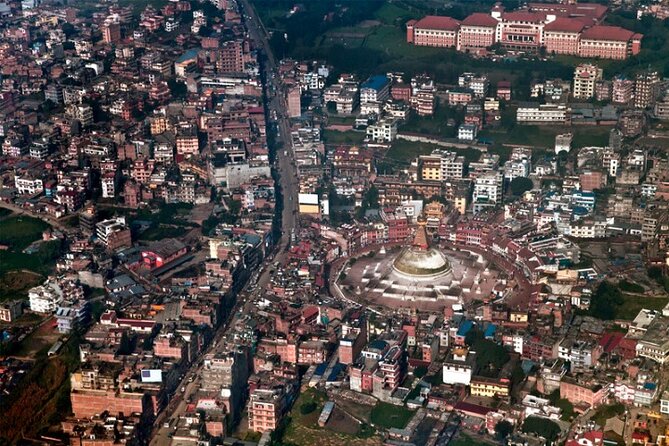
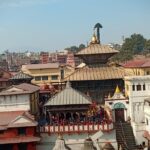
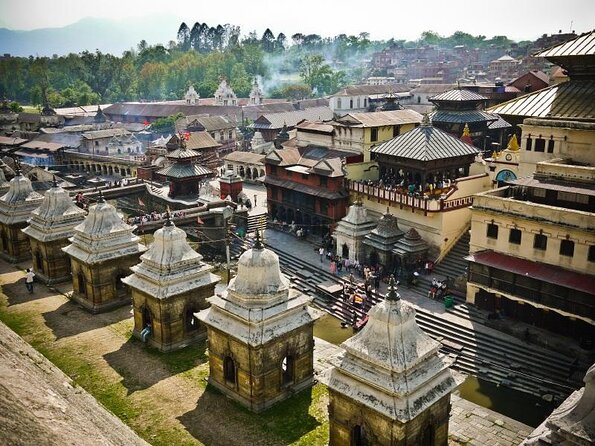
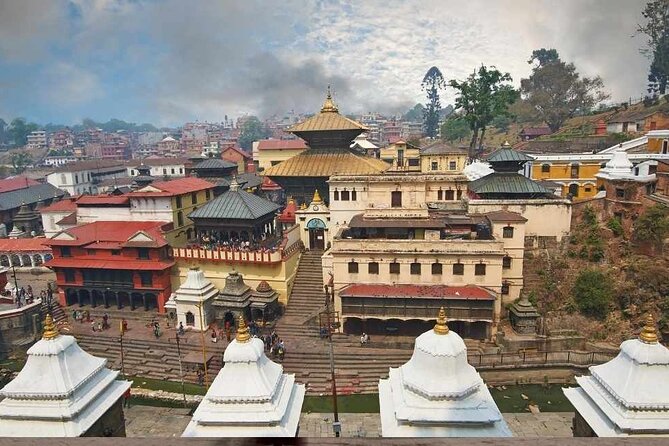
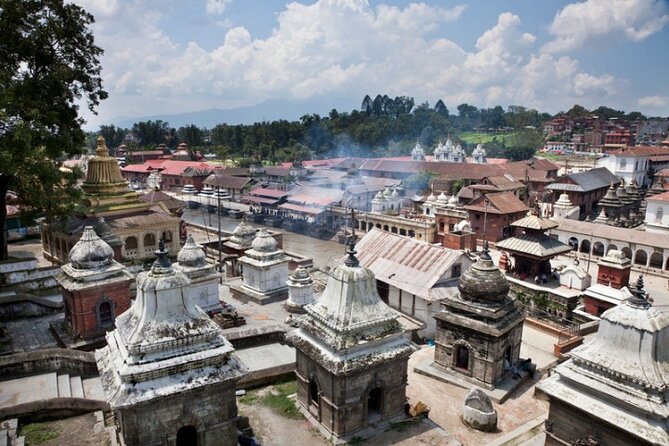
Your day then shifts to Pashupatinath Temple, located on the banks of the Bagmati River. The tour description makes its emphasis clear: it’s one of the main temples dedicated to Lord Shiva, and the temple area includes smaller temples of different Hindu deities.
This stop changes the mood. You’ll be standing in a sacred precinct where river setting and layered temple structures shape what you see. Even if your cultural background is limited, the physical arrangement helps you read the significance—Shiva is central, but the compound includes multiple smaller shrines, so it’s not a one-note site.
What you should look for: the riverfront relationship. In many places, temples are set up “above” the city. Here, the river connection is part of the scene, and it affects the overall atmosphere.
Time reality: you’re given about 2 hours at this stop in the outline, which is a good amount. Enough time to walk around, find respectful viewpoints, and still have a breather before the next monument.
Consideration: temple areas can have rules about where you can stand and how you dress. The tour info doesn’t spell those out, so it’s smart to pack modest clothing and be prepared to follow posted guidance on-site.
Boudhanath (called Buddha Stupa here): a massive South Asia stupa and an old Tibet link
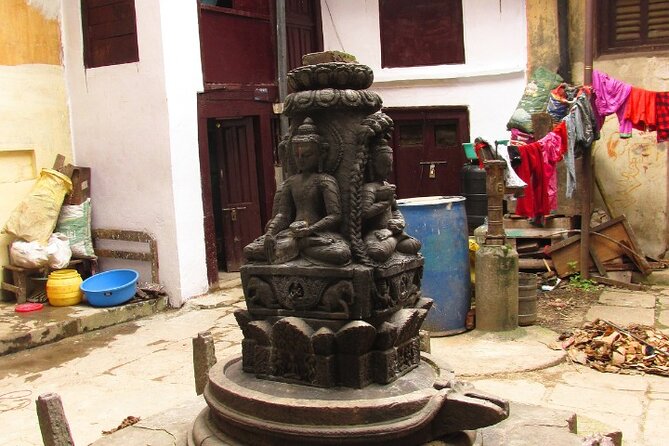
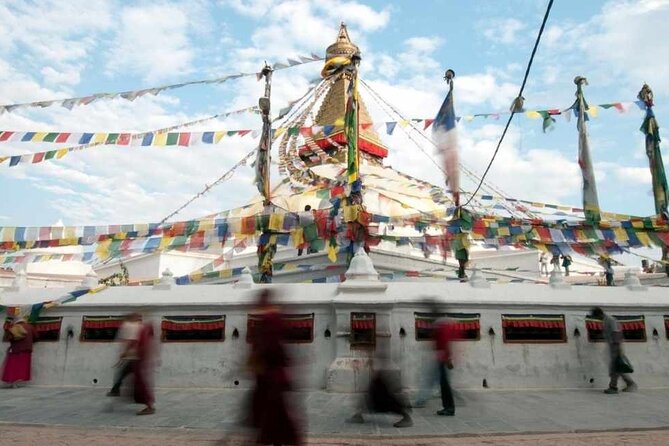
The final major religious stop is listed as Buddha Stupa, described as one of the biggest stupas in South Asia. It’s also connected to the ancient exchange path to Tibet, and the tour notes that the main stupa was turned into a style described as Nepali Buddhist fashion.
This is the stop that helps you “zoom out.” After hilltop Swayambhu and the dense Patan square, Boudhanath’s scale makes the whole Kathmandu Valley feel like a crossroads. Even if you only take in a few key viewpoints, the size and significance are obvious.
What makes this stop stand out in the itinerary: you’re given about 1 hour, which is enough for a first-round visit at a big stupa. If you want deeper time—watching the flow of people circling and reading symbolic elements—you’ll probably want more than an hour. But as part of a 6–7 hour loop, it’s a solid pacing choice.
Practical photo note: big stupas create a lot of lines—stair edges, railings, and wall patterns. You’ll likely find your best angles by stepping back and letting the structure dominate the frame.
Timing, pacing, and how the 9:15am start affects your day
The tour starts at 9:15am with the activity ending back at the meeting point. The listed meeting location is Mountain Hike Nepal – Official Tours & Trekking Company, Satghumti, Kathmandu 44600. At the same time, the tour description also mentions door-to-door service from your accommodation in Kathmandu, so in practice, you might be picked up from near your hotel rather than starting at the office.
Either way, the timing works best if you plan your Kathmandu day around it. If you start at 9:15am, you’ll likely finish mid-afternoon, with enough energy left for a casual dinner or a low-pressure wander.
Pace to expect: the outline gives stop times of about 1 hour for Swayambhu, 1 hour for Patan Durbar Square, 2 hours for Pashupatinath, and 1 hour for the Buddha Stupa. Add transit time and small delays, and the tour’s own advice—plan on 6–7 hours—starts to make sense.
If you’re the type who wants slow mornings with lots of coffee, build in some flexibility so you’re not rushing through the sites just because you got behind on breakfast.
Price and value: paying for transport, not a full guided lecture
The price is $54.95 per person for this 5–6 hour (often 6–7 hour) city tour, with the option of group discounts and a mobile ticket.
Here’s how I’d judge value for you:
- Included: a private vehicle with driver, driver salary and expenses, and coverage like fuel, parking, and insurance. That removes the hassle of transportation headaches.
- Not included: tips, and entrance fees for the sightseeing/monument visits. Also, there’s no tour guide included, though you can hire one separately.
That means you’re buying convenience and a structured route. If you’re happy to read signs, use a guidebook, and just absorb the atmosphere, you can keep extra costs down. If you want a guided explanation at every stop, the base price won’t tell the whole story.
Also note the tour says it’s private for your group only. In plain terms: you’re not squeezed into a crowded van with strangers. That matters if you want photos without constantly dodging people.
What you get at each stop if you hire a guide
Because the guide isn’t included, you control how much interpretation you add. If you hire a guide, the biggest “value moments” tend to be:
- Swayambhu Mahachaitya: the Hindu-Buddhist mix can feel abstract until someone explains what you’re actually looking at.
- Patan Durbar Square: Newari architecture and residential courtyards are easier to appreciate when someone connects the details to local tradition.
- Pashupatinath Temple: the Shiva focus and the presence of multiple smaller deities are worth context, especially in a riverfront setting.
From the feedback, guides working through Mountain Hike Nepal have been described as friendly and with good English. Some customers even thanked organisers named Manis/Manesh, which suggests the company can arrange the human side well if you request it.
Who this tour is best for (and who should consider something else)
This tour is a strong fit if you:
- want a high-impact Kathmandu highlights day without spending time on logistics
- like a set itinerary but still want to walk and take photos at your own pace
- are comfortable exploring religious sites respectfully
- are traveling in a small group and want privacy
It may be less ideal if you:
- need a full guided lecture for every stop (since the tour itself doesn’t include a guide)
- dislike animals in crowded heritage zones, because Swayambhu is known for its large monkey population
- can’t adjust to timing drift, since the recommended plan is 6–7 hours and the tour includes multiple major stops
Age 10+ is also part of the design. If you’re traveling with kids, it can work well, but you’ll want to keep an eye on how long you can stand/walk inside temple precincts.
The booking decision: should you book this 6-hour Kathmandu highlights tour?
If your goal is a smart, efficient Kathmandu loop with the big names—Swayambhu Mahachaitya, Patan Durbar Square, Pashupatinath Temple, and the Buddha Stupa/Boudhanath area—this is a practical choice. You’re paying for a private vehicle and a guided-by-driver structure, and that’s often the difference between a stressful day and a fun one.
I’d book it if you’ll handle entrance fees separately and you don’t require a guide at every stop. If you want more explanation, I’d still book it, but plan to add a guide for at least one or two sites.
One last note: the experience requires good weather, and it says you’ll be offered another date or a full refund if it’s canceled due to poor weather. So if you’re in Kathmandu during a cloudy/rainy stretch, keep your schedule flexible.
FAQ
What does the Kathmandu city tour include?
It includes a private vehicle with driver, plus the driver’s salary and expenses, and coverage for vehicle fuel, parking fees, and insurance.
Are entrance fees included in the tour price?
No. Entrance fees for sightseeing/monument visits are additional and not included.
Is a guide included with this tour?
No. A guide is not included, but you can hire one if you want.
Where does the tour start and when?
The tour starts at 9:15am. The meeting point listed is Mountain Hike Nepal – Official Tours & Trekking Company in Satghumti, Kathmandu, and the tour ends back at the meeting point. The description also notes door-to-door service from accommodations in Kathmandu.
How long should I plan for this tour?
The duration is listed as about 5–6 hours, but you should plan on 6–7 hours.
What happens if weather is poor?
The tour requires good weather. If it’s canceled due to poor weather, you’ll be offered a different date or a full refund.