REVIEW · KATHMANDU
Essence of Nepal: 4-Day Tour Kathmandu, Nagarkot & Pokhara
Book on GetYourGuide →Operated by Sobit - Bold Himalaya · Bookable on GetYourGuide
Four days can feel like three trips. This one strings together Kathmandu culture, a Himalayan sunrise/sunset stop, and Pokhara nature without demanding marathon hiking. I especially like the temple-circuit focus (including Bhaktapur) and the fact that you get both big mountain views and calmer lake time. One consideration: entry fees and meals are not included, and early starts around Nagarkot and Sarangkot are genuinely cold in cooler months.
I also like how the tour is built for real-life travelers: families, friends, seniors, and first-timers who want comfort and clear pacing. You’ll have an English live guide plus an English audio guide, and the movement between cities is mostly handled for you. The main drawback to keep in mind is that not every guide interaction will match your style, so if something feels off, it helps to speak up during the day rather than wait.
In This Review
- Key Takeaways Before You Go
- Kathmandu, Nagarkot, Pokhara in 4 Days: What Makes This Pace Work
- Getting There and Getting Around: Guide, Hotels, and the Included Flight
- Day 1 Kathmandu: Cable Car Views and the Temple Circuit
- Day 2 Bhaktapur Heritage and Nagarkot Sunset Views
- Day 3 Flight to Pokhara: Lakes, Waterfalls, and Gupteshwor Cave
- Day 4 Sarangkot Sunrise and the Return to Kathmandu
- Price and Logistics: What $416 Covers (and What You Need to Budget)
- Weather, What to Pack, and Small Etiquette Rules That Matter
- Who This Tour Fits Best (and Who Might Want Another Option)
- Should You Book This Essence of Nepal Tour?
- FAQ
- What cities and areas does this 4-day tour cover?
- Are flights and ground transport included?
- What kind of accommodation is included?
- Are meals included?
- Are entry fees included in the tour price?
- Is there an English guide during the trip?
- How does pickup work if I arrive by flight?
- Do I need to bring my passport?
- What weather should I plan for?
- Is free cancellation available?
Key Takeaways Before You Go
- UNESCO sites on a tight loop: Kathmandu Valley temples and Bhaktapur’s royal squares, with major landmarks you can point at on a map.
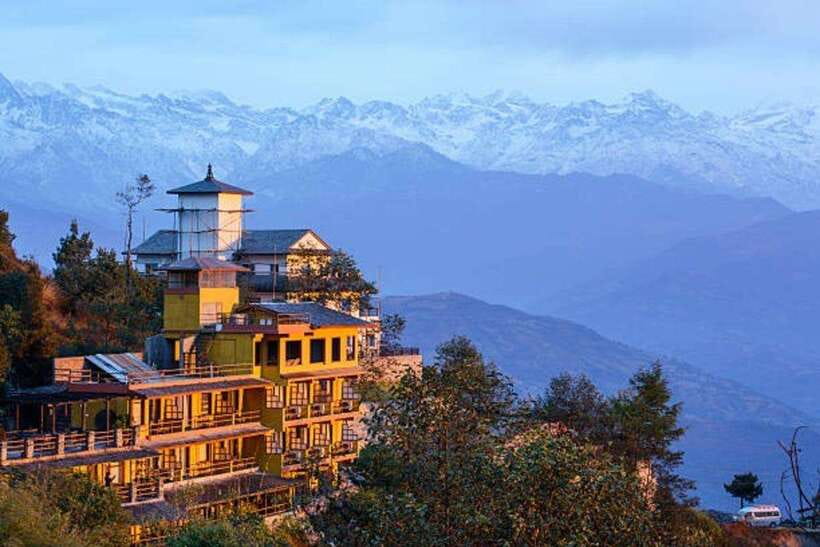
- Two Himalayan view days: sunset from Nagarkot and sunrise from Sarangkot, plus Annapurna and Machhapuchhre/Fishtail framing on clear mornings.
- A true change of scenery via air: the Kathmandu to Pokhara flight is short, scenic, and saves hours on the road.
- Pokhara highlights with variety: Phewa Lake, Davis Falls, Gupteshwor Cave, and panoramic viewpoints like Pumdikot.
- Your guide matters: English support is part of the package, and in one recent experience, the named guide Sobit was praised for warmth and insight.
Kathmandu, Nagarkot, Pokhara in 4 Days: What Makes This Pace Work
This tour works because it avoids the common Nepal trap of trying to do everything in one day. Instead, it gives you distinct “moods” of the country: sacred temples in Kathmandu Valley, a high-view day at Nagarkot, lakes and caves in Pokhara, then one last sunrise hit before heading back.
I like the balance of classic highlights and simple logistics. You’re not left figuring out how to get from one viewpoint to the next, and the sightseeing style is built for comfort—good for people who want meaningful experiences without long, grueling walks.
If you’re visiting for the first time, this is a smart way to get your bearings fast: you’ll see Hindu and Buddhist sacred architecture side by side, then shift to mountain drama, then settle into Pokhara’s lakeside rhythm.
You can also read our reviews of more tours and experiences in Kathmandu
Getting There and Getting Around: Guide, Hotels, and the Included Flight
You’ll travel with a driver and an English professional guide. On top of that, there’s an English audio guide, so you’re not totally dependent on one voice for the details.
Logistically, the package includes:
- One night each in Kathmandu, Nagarkot, and Pokhara at 3-star hotels (twin-sharing) with breakfast
- A scenic flight from Kathmandu to Pokhara
- Return travel by tourist bus from Pokhara to Kathmandu
- Fuel, tolls, and parking for the included transport
Pickup is flexible. If you’re arriving by air, you meet the team at Kathmandu Airport. If you’re already in town, you can request pickup from your hotel or location. The start time can land after or before check-in depending on how you feel after arrival and timing.
A practical note: one recent traveler flagged that the day-one voucher showed a time (6:00) but still needed confirmation. So I’d suggest you plan to confirm the exact pickup or start time with the guide the moment you connect.
Day 1 Kathmandu: Cable Car Views and the Temple Circuit
Day one is about big Kathmandu icons, and it sets the tone for the entire trip. You start with a ride up Chandragiri Hills Cable Car. It’s not just a ride; it’s your first taste of wide valley views and Himalayan scenery, which helps you understand why Nepal feels so different from many places.
From there, you move into Kathmandu’s spiritual cityscape:
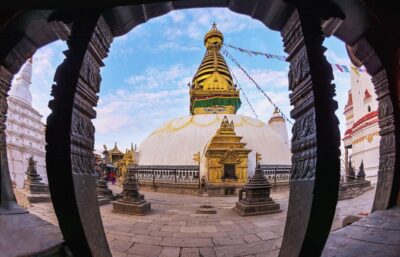
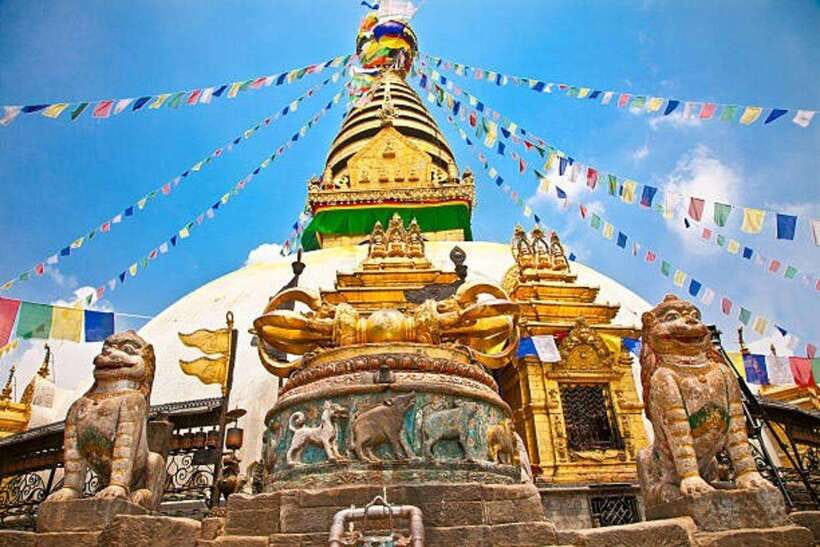
- Swayambhunath (Monkey Temple): that stupa view over the valley gives you a strong sense of the city’s layout.
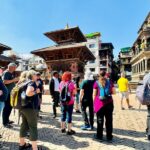
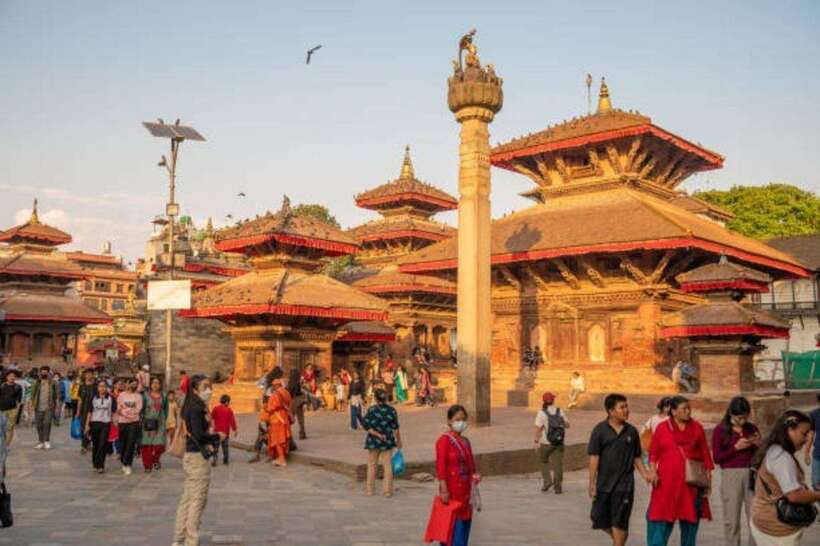
- Patan Durbar Square: a palace area where Newari architecture shows up in details, not just in grand buildings.
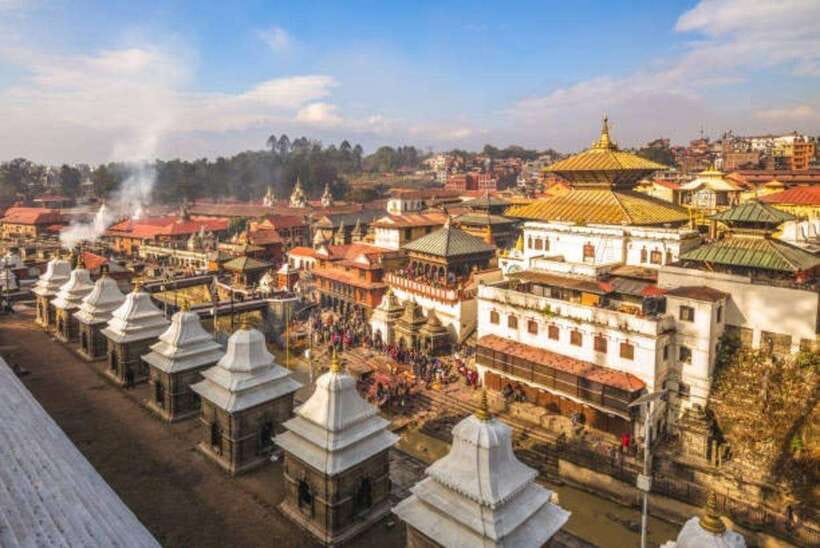
- Pashupatinath Temple: one of Nepal’s best-known Hindu sacred sites.
- Boudhanath Stupa: a major Buddhist landmark that shifts the mood from bustle to reverence.
This day can feel like sensory overload if you rush yourself. The trick is to take short pauses. Look up at the stupa domes. Watch small rituals. Then step into the next site before you feel drained. The tour is paced for first-timers, but it still moves through a lot of meaningful places.
Day 2 Bhaktapur Heritage and Nagarkot Sunset Views
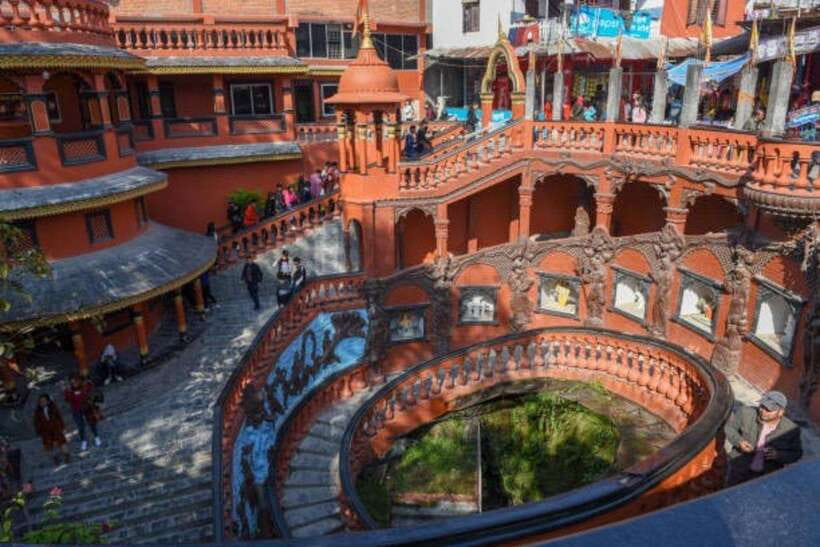
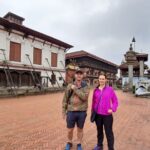
Day two adds a key ingredient: Bhaktapur. This is where Kathmandu Valley’s cultural “weight” feels especially concentrated.
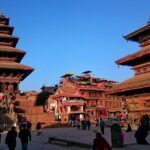
You start with Kathmandu Durbar Square, including the Living Goddess tradition (as described on the tour). Then the focus shifts to Bhaktapur’s Durbar Square, with major stops like:
- 55-Window Palace
- Golden Gate
- Nyatapola Temple
- Dattatreya Square
If you enjoy architecture and symbolism, Bhaktapur tends to be the day that makes the biggest impression. The palace and temple forms are easy to recognize, and they help you understand the regional style differences without needing an architecture degree.
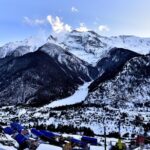
In the afternoon you drive toward Nagarkot. The main event here is the evening Himalayan sunset. The views stretch (when weather cooperates) from the Langtang region toward Everest in the distance. That’s a big claim, but it’s exactly why Nagarkot is so popular: you’re not chasing one photo spot; you’re getting a broad mountain horizon.
Bundle up. Even if Kathmandu feels mild, Nagarkot can be noticeably colder at sunset.
Day 3 Flight to Pokhara: Lakes, Waterfalls, and Gupteshwor Cave
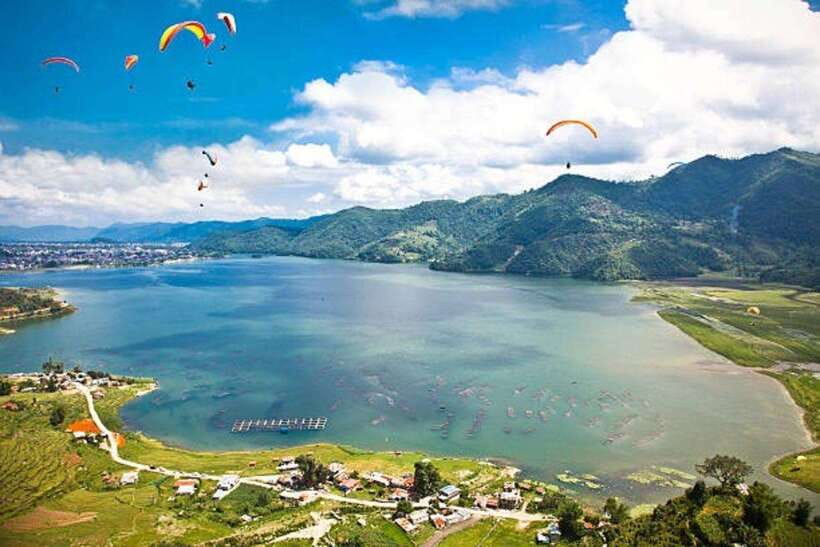
Day three is the “change of gear” day. You’ll have early mountain views from Nagarkot, then fly to Pokhara by a short domestic flight.
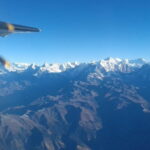
That flight is included specifically for the view. Even if you don’t love flying, this is one of the easier ways to add Himalayan scenery without losing a full day to road travel.
Once in Pokhara, your sightseeing covers a mix of natural and cultural stops:
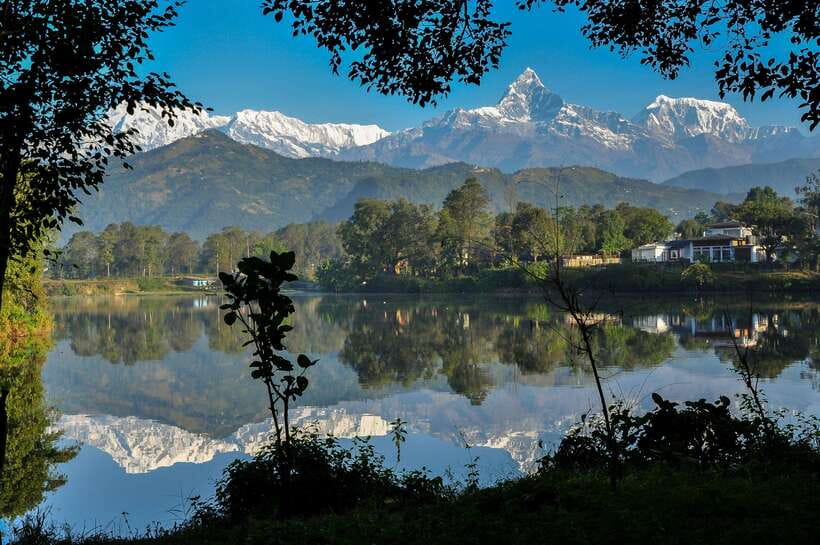
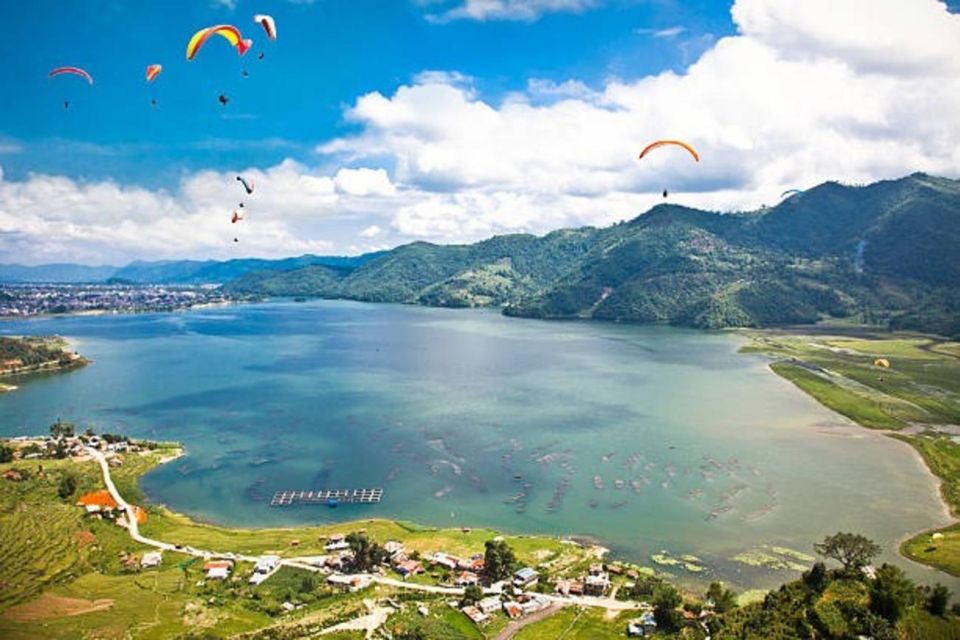
- Phewa Lake, with an optional boat ride if you want to slow down and feel the lake’s pace
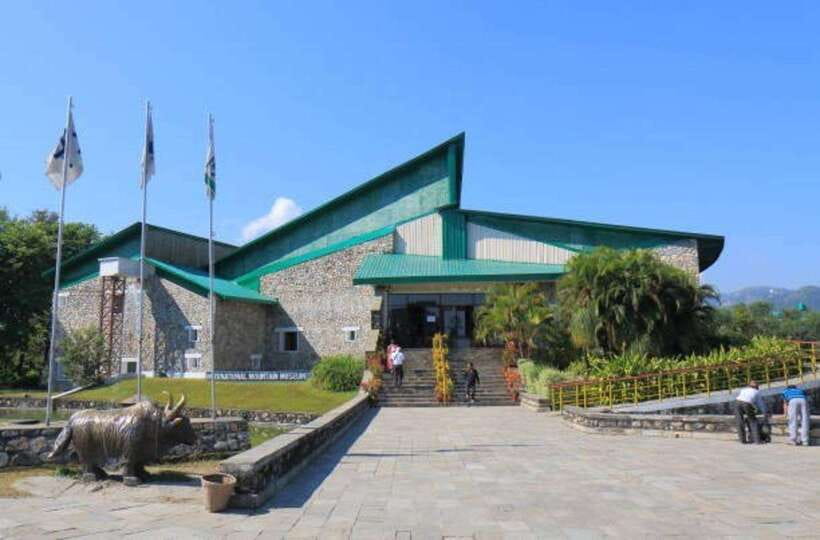
- International Mountain Museum, a good stop to connect place names to the mountains around you
- Davis Falls and Gupteshwor Cave, combining waterfall scenery with a cave site that also has spiritual meaning
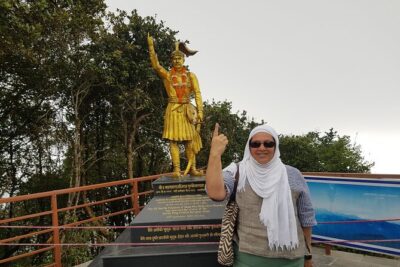
Then there’s Pumdikot Shiva Statue, a viewpoint stop that’s built for panoramic sightlines over ranges including Annapurna, Dhaulagiri, and Manaslu.
Evening time is designed for decompression. You can relax near the lakeside and catch sunset reflections over the water. This part of the day matters because Pokhara can be a bit of a sensory reset after temple days and high-view nights.
One small heads-up from real experiences: the Pokhara guide quality can vary. In one case, a traveler felt the Pokhara guide was less effective, then reported it and got a polite response. If you care a lot about story and pacing, don’t hesitate to communicate what you need while you’re still there.
Day 4 Sarangkot Sunrise and the Return to Kathmandu
If you only pick one early morning during your trip, make it Sarangkot sunrise.
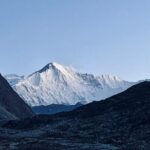
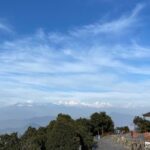
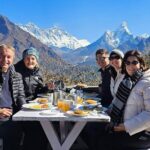
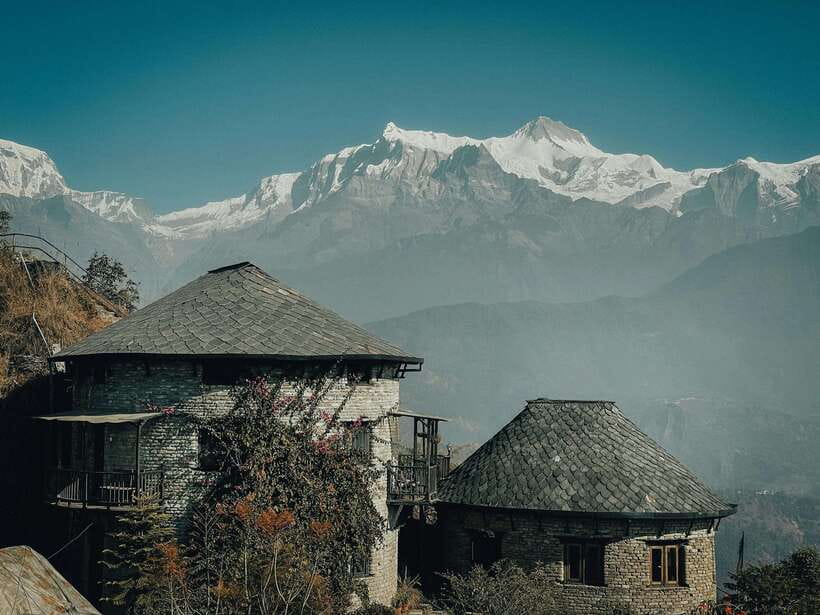
You’ll drive out to Sarangkot for early views over the Annapurna range and Machhapuchhre (Fishtail). This is the kind of photo moment that depends on the sky and the light. When conditions cooperate, the shapes of the peaks feel close enough to understand. When clouds roll in, you’ll still get a sharp reminder of why people chase mountain mornings in Nepal.
After sunrise time, you visit Bindabasini Temple. It’s a quieter cultural stop that helps keep the morning from turning into only a viewpoint scramble.
Your day then turns practical: breakfast is included, and there’s no hotel on day four since you’re heading back. Return to Kathmandu is by tourist bus (with an optional flight available, depending on your preference).
If you want a flexible afternoon, plan for Thamel time—shopping, snacks, and sitting somewhere with a view of passersby.
Price and Logistics: What $416 Covers (and What You Need to Budget)
At $416 per person for 4 days, this package is strongest when you compare what’s included versus what you’d otherwise pay separately.
Included value points:
- 3 nights in 3-star hotels with breakfast
- An English guide and a driver with costs covered
- Kathmandu to Pokhara scenic flight
- Pokhara to Kathmandu tourist bus
- Transportation fuel, tolls, and parking
Not included (so budget for it):
- Entry fees
- Lunch, dinner, and drinks
- Entry fees are in Nepali Rupees (NPR)
In plain terms: the big-ticket items—hotels, guide, and the flight—are handled. That makes the price feel reasonable for people who want less independent organizing and more on-the-ground support.
The only way this price can surprise you is if you travel in a way that assumes meals and site fees are automatically included. If you’re budgeting upfront, you’ll enjoy the trip more and waste less energy trying to predict costs on the fly.
Weather, What to Pack, and Small Etiquette Rules That Matter
Nepal’s weather changes by season, and altitude exaggerates it. Bring layers and comfortable walking shoes.
Here’s what you should plan around:
- November to February: generally sunny days, but mornings and evenings are cold. Nagarkot, Sarangkot, and Pumdikot get colder than the city.
- June to August: monsoon season with frequent rain. Carry an umbrella or raincoat.
Practical extras you should not skip:
- Sunglasses and sunscreen
- A camera
- A reusable water bottle (filtered water is recommended during sightseeing)
- Passport details: passport is required, and a copy is accepted
One more real-world note: photography and videography can be restricted in some areas. If you run into a sign or a staff request, don’t argue. Move on politely and focus on the moment.
Who This Tour Fits Best (and Who Might Want Another Option)
This tour fits best if you want:
- First-time Nepal orientation
- Big famous sites without navigating every connection
- An itinerary that works for any age and avoids long strenuous walking
- A mix of culture and nature, with mountain viewpoints as the highlight
It may be less ideal if:
- You want deep time in one place (for example, lingering for days in Kathmandu Valley without moving on)
- You hate early mornings (Sarangkot sunrise starts your day before you’re fully awake)
- You’re expecting meals and site fees to be fully included
Should You Book This Essence of Nepal Tour?
I’d book it if you want a clean, well-paced introduction to Nepal that gives you three essential experiences: sacred sites in Kathmandu Valley, Himalayan viewing from both Nagarkot and Sarangkot, and Pokhara’s lake-and-cave scenery.
One final confidence check: the guide support seems to matter here. A standout mention from recent experiences praised Sobit for warmth and insight, and that kind of local guidance can make temple names and mountain views feel connected instead of random.
If you’re the type who plans your budget and brings warm layers for early altitude mornings, this tour is a strong value way to see the country’s highlights in only four days.
FAQ
What cities and areas does this 4-day tour cover?
It covers Kathmandu, Nagarkot, and Pokhara, then returns to Kathmandu. You’ll also visit viewpoints and sites around those areas, including Sarangkot for sunrise.
Are flights and ground transport included?
Yes. There is a flight from Kathmandu to Pokhara with mountain views, and the return is by tourist bus from Pokhara to Kathmandu.
What kind of accommodation is included?
You get one night each in Kathmandu, Nagarkot, and Pokhara in 3-star hotels on a twin-sharing basis, with breakfast included.
Are meals included?
Breakfast is included, but lunch, dinner, and drinks are not included.
Are entry fees included in the tour price?
No. Entry fees are not included, and they are paid in Nepali Rupees (NPR).
Is there an English guide during the trip?
Yes. You’ll have a live English tour guide, and there is also an English audio guide included.
How does pickup work if I arrive by flight?
If you’re arriving on a morning flight, the tour team meets you at Kathmandu Airport. If you’re already in Kathmandu, you can pick a hotel/location for pickup.
Do I need to bring my passport?
Yes. You should bring your passport, and a copy is accepted.
What weather should I plan for?
Temperatures vary by season. In November to February, mornings and evenings are cold, especially at Nagarkot and Sarangkot. In June to August, expect frequent rain and consider carrying an umbrella or raincoat.
Is free cancellation available?
Yes. You can cancel up to 24 hours in advance for a full refund.