REVIEW · KATHMANDU
8 Days Tour in Nepal (4 Star Accommodation)
Book on Viator →Operated by The Great Adventure Treks & Expedition - Private Day Tours · Bookable on Viator
Kathmandu to Pokhara with a plan that feels safe. I like how this trip stitches together the big-name sights—temples, a real national-park day, and lakeside Pokhara—without turning your schedule into chaos. Two things I especially like: pickup-and-drop support that keeps day one and day eight low-stress, and included admission tickets for most stops so you’re not constantly checking prices in person.
One possible drawback to keep in mind: private transportation isn’t included, so you’ll be on shared group transport and follow the tour timing (plus some walking at temples and viewpoints). If you want total solo freedom hour-by-hour, this may feel a bit structured.
In This Review
- Key Highlights You’ll Actually Feel
- How the Route Makes Sense: Kathmandu to Chitwan to Pokhara
- Thamel Arrival and an Easy First Evening
- Kathmandu Valley in One Tight Plan: Boudhanath, Patan, Pashupatinath, Swayambhunath
- Boudhanath Stupa: Prayer Flags and a Meditative Scale
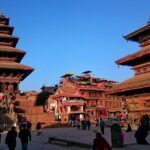
- Patan Durbar Square: Temples, Courtyards, and Stone Craft
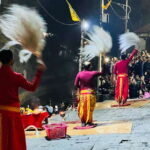
- Pashupatinath Temple Area: Ghats Along the Bagmati River
- Swayambhunath: Harati Temple, Buddha Statues, and the Thunderbolt Symbol
- The Road Between Cities: Dhading and Gorkha Views You Don’t See From Flights
- Chitwan National Park: Not Just a Safari Ticket
- Chitwan Day: Rapti River Walk, Tharu Culture, Sunset
- Full Park Day: Canoeing, Jungle Walk, Tharu Village Tour, Jeep Safari
- Drive to Pokhara: Rivers You’ll Remember by Name
- Phewa Tal (Lake Time) in Pokhara
- Sunrise at Sarangkot: Annapurna and Manaslu Regions in the Same Frame
- Devi’s Fall and Gupteswar Gupha: Waterfall Power and Cave Time
- Devi’s Fall
- Gupteswar Gupha (Gupteswar Mahadev Cave)
- World Peace Pagoda: A Short Hike That Changes Your Perspective
- Durbar Marg in the Evening: Food, Shops, and Garden of Dreams
- Day Eight: Airport Drop-Off so Your Last Day Isn’t a Headache
- Price and Value: What $1,080 Buys You (and What It Doesn’t)
- Group Size, Safety Feel, and the Human Touch
- Practical Tips Before You Go
- Should You Book This Nepal 8-Day Tour?
- FAQ
- Where does the tour start and what time does it begin?
- Is pickup offered, and do I get dropped off at the end?
- What meals are included in the price?
- Are private transportation and guided transport included?
- What admission tickets are included?
- What is the group size limit?
- Are service animals allowed?
- What is the cancellation window for a full refund?
Key Highlights You’ll Actually Feel
- All the main Kathmandu Valley classics in one efficient run, including Boudhanath, Patan Durbar Square, Pashupatinath, and Swayambhunath.
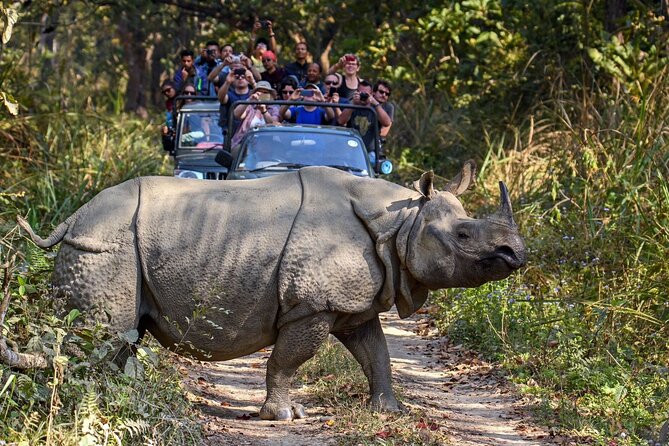
- Chitwan National Park with a full mix: Rapti river activities, a jungle walk, a Tharu village visit, and a jeep safari.
- Pokhara with sunrise, lake time, waterfall, cave, and pagoda—packed, but the stops are grouped by area.
- Small-ish group size (max 30), which usually means less crowd pressure than the mega-tour scene.
- Thamel hotel night plus 4-star accommodation, so you can recover after long travel days.
How the Route Makes Sense: Kathmandu to Chitwan to Pokhara
This itinerary works because it follows a natural flow. You start in Kathmandu with the temple-heavy intro day(s), then you shift into the hills and valleys on the road, and finally you settle into Pokhara for viewpoints and calmer hours.
What that means for you: you’re not dragging the same day-long crowd schedule across cities. You get a first-night cushion in Thamel, then you concentrate your sightseeing into logical clusters (Kathmandu Valley on one run, Chitwan activities in one place, Pokhara sights in one region). After that, you finish with an airport drop so your last day doesn’t eat up your whole morning.
You can also read our reviews of more tours and experiences in Kathmandu.
Thamel Arrival and an Easy First Evening
Day one is simple on purpose. You arrive, and you’re managed to a hotel in Thamel, where you can stretch, freshen up, and get oriented without hunting around the city.
Thamel is also where most first-timers find their footing fast. You can use that evening to grab snacks, do some shopping, or just walk a few blocks and get your bearings. The timing here is useful: you don’t start with an early-morning push right after arrival.
If you’re traveling solo, this kind of day-one support matters. It cuts down the risk of getting lost on a first day in a busy city.
Kathmandu Valley in One Tight Plan: Boudhanath, Patan, Pashupatinath, Swayambhunath
Kathmandu’s best-known spiritual sites are stacked here, but the pacing stays workable: each stop is clearly allotted time, and most have admission tickets included.
Here’s what you should expect at each:
Boudhanath Stupa: Prayer Flags and a Meditative Scale
Boudhanath (often spelled Boudha) is a big dome-shaped stupa covered in colorful prayer flags. Even if you’ve only seen photos before, the size hits differently in person. You’ll have about an hour, which is enough to walk partway around, notice details, and watch the flow of people.
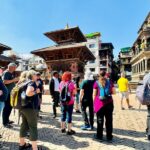
Patan Durbar Square: Temples, Courtyards, and Stone Craft
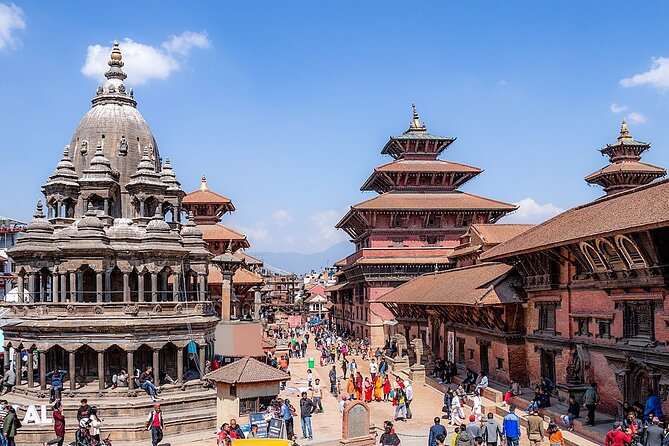
Patan Durbar Square is detailed and dense: 55 major temples and 136 bahals (courtyards). You’ll be there for about two hours, which is the right amount of time because you can’t really rush this kind of place. Look for courtyard rhythms, carvings, and the way buildings overlap.
Pashupatinath Temple Area: Ghats Along the Bagmati River
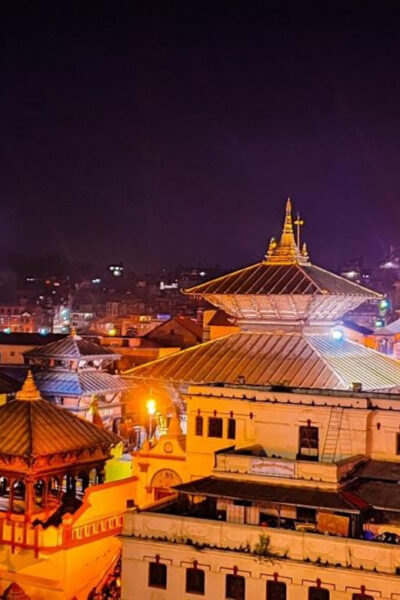
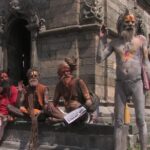
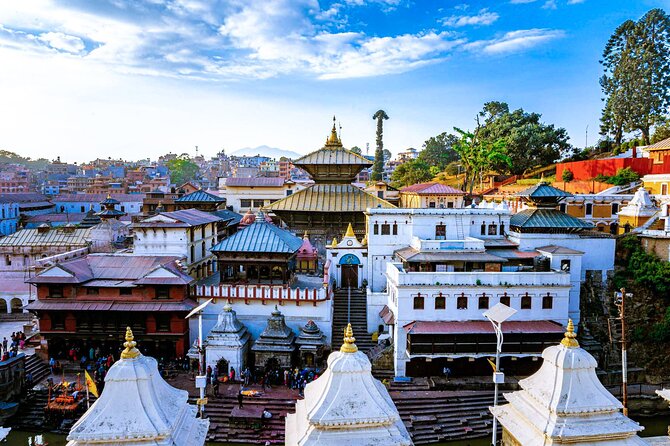
Pashupatinath is tied to the Ghats and the Bagmati River. Your time listed is short, but the setting is what you’ll remember—the riverfront atmosphere and the sense of how important this place is. Admission is included, so you’ll spend less time sorting tickets and more time just taking it in.
Swayambhunath: Harati Temple, Buddha Statues, and the Thunderbolt Symbol
Swayambhunath is known for Bajra (thunderbolt) imagery and the temple of Harati, plus Buddha statues. You get about two hours, which is helpful because this is one of those hills where you’ll naturally pause for photos, look around for details, and take breaks when the stairs get to you.
A practical note: temple days mean you should wear comfortable shoes. You’ll be moving enough that foot comfort becomes the real “souvenir” you keep.
The Road Between Cities: Dhading and Gorkha Views You Don’t See From Flights
One of the most underrated parts of multi-city travel is the drive itself. Here, you pass through Dhading District, described as high hills and rivers, then you continue into Gorkha District scenery.
Why it matters: roads like this give you a real sense of Nepal’s vertical geography. You’ll likely have more “wow, look at that” moments from the windows than you expect, and it breaks up the trip so it doesn’t feel like nonstop monuments.
Chitwan National Park: Not Just a Safari Ticket
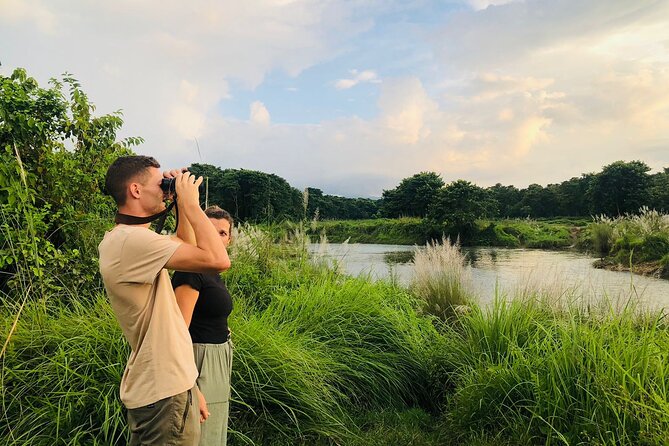
Chitwan is where the trip shifts from architecture to wildlife-and-culture time. You’ll do a riverside walk, a Tharu cultural stop, and a mix of park activities across two days.
This part feels valuable because it’s not only about spotting animals. You also get time outdoors, on the water, and in the community context.
Chitwan Day: Rapti River Walk, Tharu Culture, Sunset
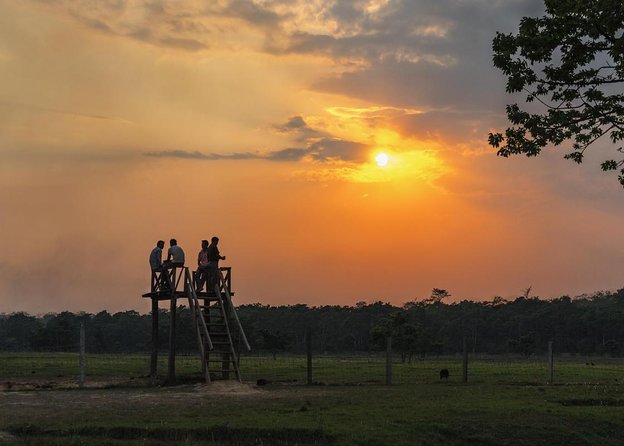
You start with a Rapti River Side Walk plus a Tharu Culture View and a sunset. That combination is a good warm-up because it gets you into the rhythm of the park before the more physical activities.
Full Park Day: Canoeing, Jungle Walk, Tharu Village Tour, Jeep Safari
On the next day, you get a fuller program:
- Canoeing in the Rapti River (45 minutes)
- Jungle Walk (about 2.5 hours)
- Tharu Village tour (30 minutes)
- Jeep Safari in the afternoon
This mix is what makes Chitwan work as a real experience instead of a checklist. Canoeing gives you quiet water-time. The jungle walk shifts you from sitting-and-watching into learning-by-walking. Then the jeep safari helps you cover more ground when you want that classic wildlife search.
If you’re deciding what kind of traveler you are: if you enjoy guided time in nature (not only a quick drive), this day is the heart of the trip.
Drive to Pokhara: Rivers You’ll Remember by Name
From Chitwan to Pokhara, you’ll travel past big river systems: Trisuli, Marsyangdi, and Daraudi. Seeing these rivers from the road makes the journey feel like more than transportation. It’s also a nice mental break after a couple intense days.
This is one of those “small” inclusions that adds up. When your travel day has stories built into it, you land with better energy instead of jet-lagged numbness.
Phewa Tal (Lake Time) in Pokhara
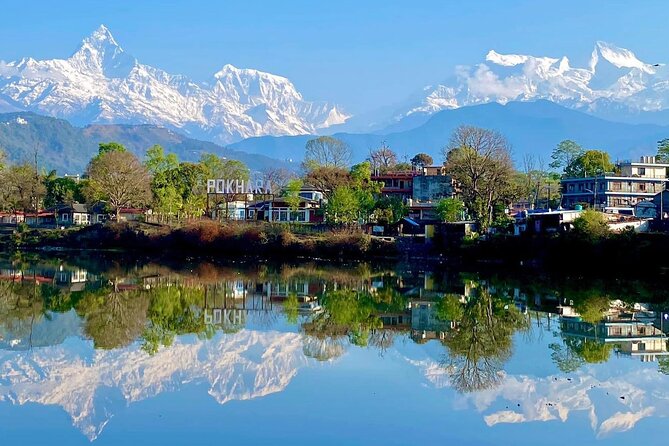
In Pokhara, you start with Phewa Tal, where you can take in the beauty of the lake and enjoy boating for about two hours.
I like this stop because it’s not only sightseeing. It’s practical recovery time. You’ll go from temple stairs and park walking to water views and slower pacing—exactly what you want mid-trip.
Sunrise at Sarangkot: Annapurna and Manaslu Regions in the Same Frame
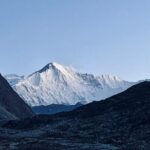
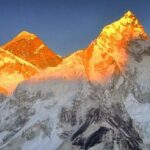
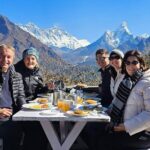
Early morning you travel to Sarangkot for sunrise. From there, you can observe Annapurna and Manaslu mountain regions and get views across Pokhara Valley.
This is the kind of stop that rewards you for showing up on time. Sunrise isn’t just about a photo; it’s about the shift in light that makes mountain silhouettes look sharper and more dramatic.
Bring a warm layer if you’re sensitive to morning cold. Sunrise mornings can be chill even when daytime feels comfortable.
Devi’s Fall and Gupteswar Gupha: Waterfall Power and Cave Time
Pokhara isn’t only views. You’ll also hit two classic attractions:
Devi’s Fall
The description is very specific: a river originated from Phewa Lake cascades down through a narrow gorge before flowing into the Seti River. Your time is about 30 minutes, so keep expectations realistic. This is short, but it’s visually strong.
Gupteswar Gupha (Gupteswar Mahadev Cave)
You’ll visit Gupteswar Gupha, also called Gupteswar Mahadev Cave, and it’s noted as the longest cave in Nepal. You get about an hour.
Caves tend to mean cool air and uneven paths. Comfortable shoes matter here more than style.
World Peace Pagoda: A Short Hike That Changes Your Perspective
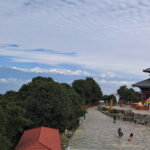
Next is the World Peace Pagoda, with a short hike and about two hours total. This is one of those stops where you gain distance—both physically and in how you see Pokhara.
Even if you’re not a “pagoda person,” the value is the effort-to-view ratio. It’s active enough to feel worth it and structured enough that you don’t wander in circles.
Durbar Marg in the Evening: Food, Shops, and Garden of Dreams
On day seven, you switch to leisure. Durbar Marg is presented as a tourist hub for clubs, pubs, bars, and the nearby Garden of Dreams, with about three hours allocated and free entry noted.
This is a good way to decompress. By now, you’ve done temples and park time. An evening in town helps you reset before your departure day.
Day Eight: Airport Drop-Off so Your Last Day Isn’t a Headache
Your last day is straightforward: staff drop-off to the airport. That’s a big deal when your energy is running low. Instead of spending your final hours figuring out transport, you get a simple end to the loop.
The tour start time is listed as 9:15 am, so you’ll also know the general tempo of how early the days tend to be.
Price and Value: What $1,080 Buys You (and What It Doesn’t)
At $1,080 per person for about eight days, you’re paying for a planned route, a capped group size (max 30), 4-star accommodation, and a lot of included groundwork.
What looks like good value:
- Admissions included for most major stops (and some items marked free)
- Meals included: breakfast (5), plus lunch (2) and dinner (2)
- Pickup and drop-off support, which reduces first/last-day stress
- A structured multi-day rhythm that prevents you from having to coordinate everything yourself
What you should budget for mentally:
- Private transportation isn’t included. That doesn’t mean “bad”—it means you’ll follow shared logistics. If you want driver-and-car flexibility, this may not match your style.
If you’re comparing options, treat this as a “managed highlights” package. It’s priced like convenience plus guided days, not like full custom travel.
Group Size, Safety Feel, and the Human Touch
This tour caps at 30 travelers, which usually means you get to be part of a group without feeling swallowed by one massive crowd.
Safety and confidence also show up in the feedback around the company’s local leadership. The name Mani He is repeatedly mentioned in connection with careful organization—things like arranging pickup/drop for flights and coordinating guides in multiple cities. You’ll also see Sanjay credited for speaking both Chinese and English, and Sudam credited for being professional and thoughtful, including pointing people toward local restaurants and unique spots.
You can’t assume every guide will be the same, but what you can do is choose this company when you want a plan plus people who take coordination seriously. For solo travelers, that matters.
Practical Tips Before You Go
A few smart moves make this trip smoother:
- Wear comfortable walking shoes. Temple days and viewpoints add up.
- Bring layers for early mornings (especially Sarangkot sunrise).
- For caves and waterfall areas, be ready for slippery or uneven ground.
- Build in time for photos, but don’t try to sprint. Your assigned times are real.
Also, you can expect mobile tickets and confirmation at booking. If you have questions, you’ll want everything clarified before you arrive so you’re not trying to solve logistics mid-trip.
Should You Book This Nepal 8-Day Tour?
I’d book this if you want a well-paced Nepal introduction: Kathmandu Valley classics, a full Chitwan nature day, and Pokhara with both sunrise views and “things to do” beyond just photos.
Skip it (or consider alternatives) if you want private, flexible transportation and zero schedule constraint. Also, if you dislike early starts, the Sarangkot sunrise will be the hardest part to love.
For most travelers—especially first-timers who want safety, structure, and value packed into one trip—this is a strong choice.
FAQ
Where does the tour start and what time does it begin?
The tour start time is listed as 9:15 am. Your day-to-day movement begins from Kathmandu, Nepal.
Is pickup offered, and do I get dropped off at the end?
Yes. Pickup is offered, and on day eight a staff member will drop you at the airport.
What meals are included in the price?
Breakfast is included 5 times, and lunch is included 2 times. Dinner is included 2 times as well.
Are private transportation and guided transport included?
No, private transportation is not included. You should expect shared transport as part of the group tour setup.
What admission tickets are included?
Admission tickets are listed as included for most main stops across Kathmandu, Chitwan, and Pokhara. Some items are marked as free (for example, Thamel and Sarangkot, plus Durbar Marg).
What is the group size limit?
This tour/activity has a maximum of 30 travelers.
Are service animals allowed?
Yes, service animals are allowed.
What is the cancellation window for a full refund?
You can cancel up to 3 days in advance of the experience for a full refund. Within 3 days, the amount paid is not refunded.