REVIEW · KATHMANDU
Rainbow Mo:Mo
Book on Viator →Operated by Queermandu | Gay Tours Nepal · Bookable on Viator
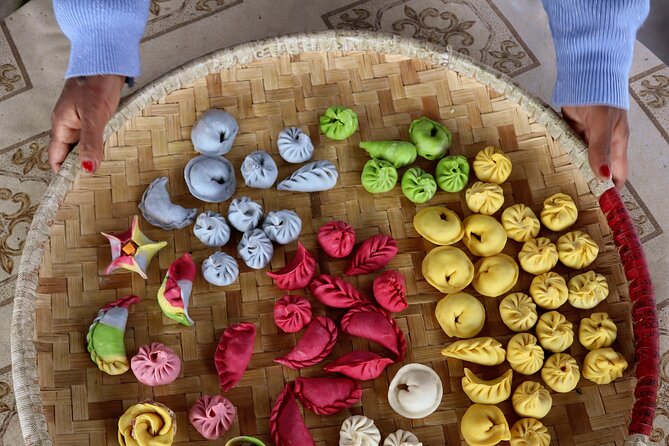
Colorful momos, made with a purpose. Rainbow Mo:Mo in Kathmandu turns a standard cooking class into something you’ll remember: you handcraft dumplings in eye-catching shades while the whole tone stays queer-forward and warm. You work with ingredients like beetroot, spinach, carrot, and butterfly pea to color your momos, then you cook and eat what you make in a session that lasts about 2 hours.
Two things I really like: first, the color system is practical and ingredient-based, so you learn how the shades come from real foods (pink, green, and that striking blue are the headline). Second, the teaching style is playful and confidence-building, including shaping tips delivered with a funny “pinch, pinch, pinch” approach that makes the process feel doable even if you’ve never folded momo dough before. The one thing to consider is that this is hands-on. If you want a quick snack stop or mostly sightseeing, the format is still very much about cooking and shaping, not wandering around town.
In This Review
- Key highlights at a glance
- Rainbow Mo:Mo in Kathmandu: what the 2-hour class is really like
- Where you start: Garden of Dreams meeting point and hotel pickup
- The color lesson: beetroot, spinach, carrot, and butterfly pea
- Pinch, fold, and shape: the hands-on technique that makes it click
- Cooking and tasting: steamed and fried momos from your own work
- The queerness-forward vibe: what it adds to the class
- Price, timing, and booking smart moves
- Who should book Rainbow Mo:Mo (and who might not)
- Should you book it?
- FAQ
- What is the meeting point for Rainbow Mo:Mo?
- How long is the momo-making class?
- Do you offer pickup?
- What ingredients are used to make the colorful momos?
- Is there free cancellation?
- How large is the group?
Key highlights at a glance
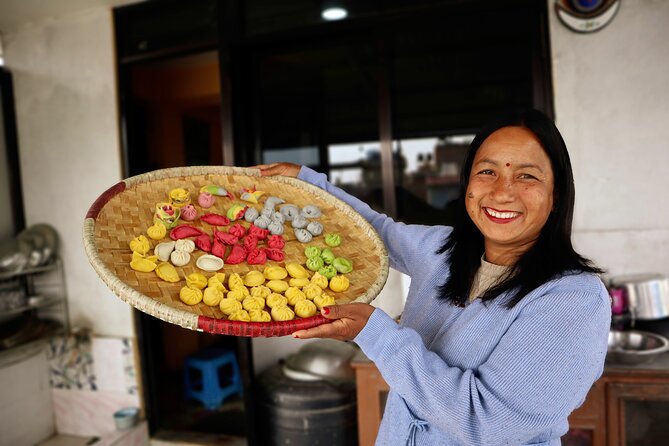
- Natural color ingredients: beetroot, spinach, carrot, and butterfly pea
- Queer-forward vibe with a clear message of inclusion
- Small class size with a maximum of 15 travelers
- You taste your work since momos are served both steamed and fried
- Meeting point by Garden of Dreams (Tridevi Sadak), with pickup offered
- Guides named Prajeet and Aayam can show up in the pickup and instruction roles, depending on your session
Rainbow Mo:Mo in Kathmandu: what the 2-hour class is really like
Rainbow Mo:Mo is a momo-making class with a message, not just a meal. In Kathmandu, momo is already a daily comfort food, so the fun part here is how the class reshapes your expectations: the dumplings aren’t just tasty, they’re made to look and feel like self-expression.
In your session, you’ll learn the shaping steps that turn dough portions into sealed dumplings. The instruction leans into humor while still staying practical. You’ll hear a comedic comparison that turns precise pinching into a kind of controlled artistry, which honestly helps—because when someone makes shaping feel like a game, your hands catch up faster.
The pacing is tight but not rushed. It’s designed for a short evening-or-afternoon style activity (based on the available daily window), and that matters if you’re trying to fit something fun into a travel schedule without sacrificing a whole day.
If you’re wondering whether it works for beginners: the class format is built for learning by doing. You’re not expected to arrive with momo skills. You’re expected to bring curiosity, and your job is basically to pinch, fold, and stay patient while you work.
You can also read our reviews of more tours and experiences in Kathmandu.



Where you start: Garden of Dreams meeting point and hotel pickup
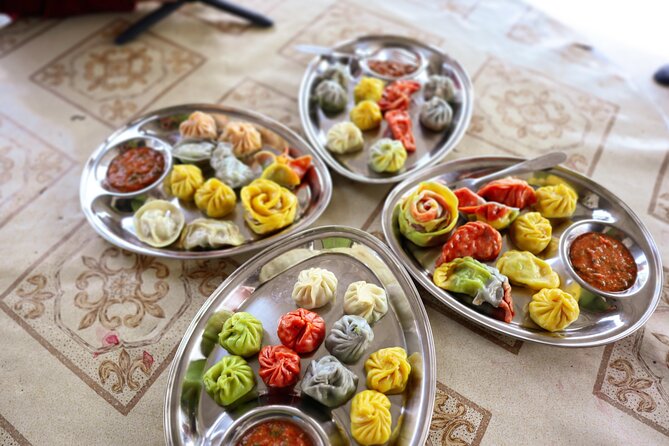
You’ll meet at the Garden of Dreams area, on Tridevi Sadak (Kathmandu 44600). The activity ends back at the meeting point, which keeps logistics simple when you’re juggling taxis, buses, or walking time.
Pickup is offered, which is a big deal in Kathmandu. Even if you’re comfortable navigating the city, having a guide factor in your start location saves mental energy. One booking experience specifically highlights an on-time pickup handled by a guide named Prajeet at the hotel lobby—so if your session includes him, you’ll likely appreciate that “show up and go” feeling.
The venue area is also close to public transportation. That’s useful if you’d rather not rely on pickup or if your hotel pickup window doesn’t line up with your day. Either way, plan to arrive a few minutes early so you can check in and get to the fun part—hands-on cooking.
The color lesson: beetroot, spinach, carrot, and butterfly pea
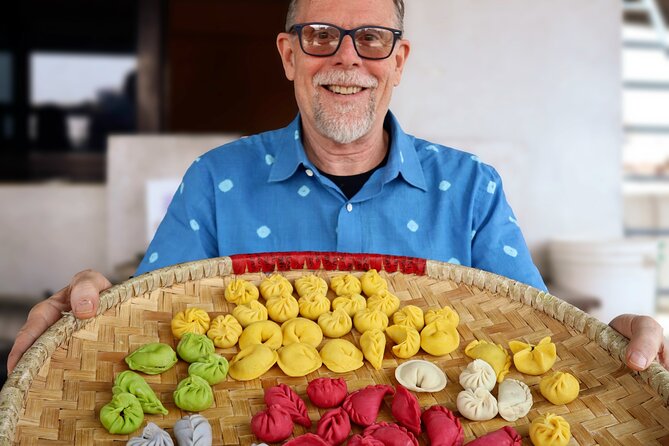
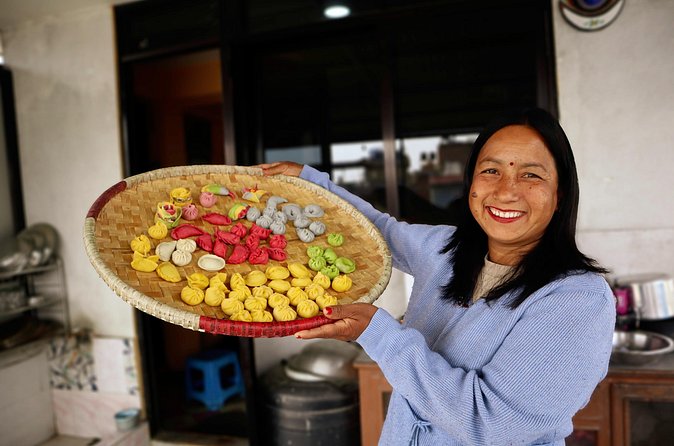
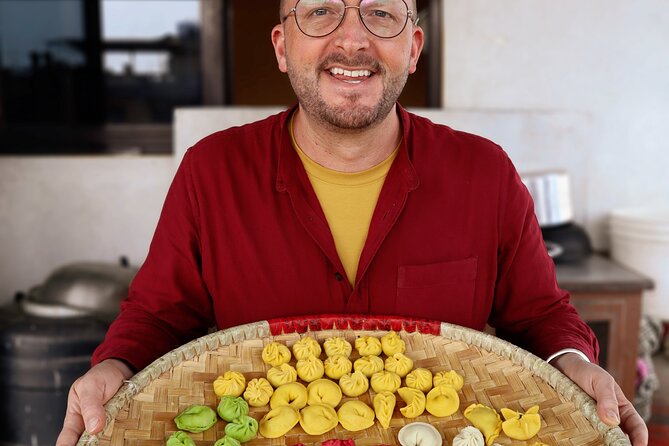
This is the core of Rainbow Mo:Mo, and it’s not just a gimmick. You’ll craft colorful momos using four ingredients that bring their own personality to the dumpling dough and/or filling. The class centers on beetroot, spinach, carrot, and butterfly pea, each one giving a distinct hue.
Here’s what you should watch for as you cook:
- Beetroot is your go-to for pink tones.
- Spinach and carrot typically point you toward green and orange-leaning shades.
- Butterfly pea is the ingredient most people remember because it can produce a dramatic blue tone.
Even if you don’t care about the science of natural coloring, you’ll care about the learning. You’ll start to understand how ingredient choice changes your results, and that’s why this class feels more memorable than a “just make dumplings” workshop.
This part also connects to the class theme in a clever way. The idea is that different identities and different colors belong together—and you get to create that harmony right on your plate. It’s a meaningful message delivered through food, not speeches.
Pinch, fold, and shape: the hands-on technique that makes it click
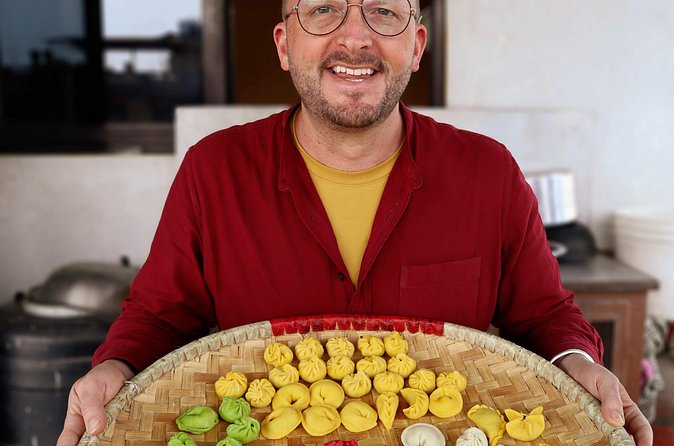
Momo shaping can feel intimidating until someone gives you a method that matches how your fingers actually work. Rainbow Mo:Mo’s instruction focuses on pinching and sealing, with humor used to make the steps feel less technical and more like skill-building.
A standout teaching detail is the way the instructor frames precision. The class includes a comedic analogy about applying something like Botox to the face—then immediately switching the focus back to the dumpling: pinch, pinch, pinch. The joke isn’t the point; the timing is. It signals that you should take your time, but keep your movements consistent so the dumpling holds together.
Because the class is small (maximum 15 travelers), it’s easier to get corrections when you need them. That matters for achieving the look you want, but it also matters for confidence. When you see your dumplings go from imperfect to properly sealed, it’s hard not to feel proud.
If you’re someone who learns best through repetition, you’ll probably like this format. You’ll do enough shaping that it becomes muscle memory by the end of the session.
Cooking and tasting: steamed and fried momos from your own work
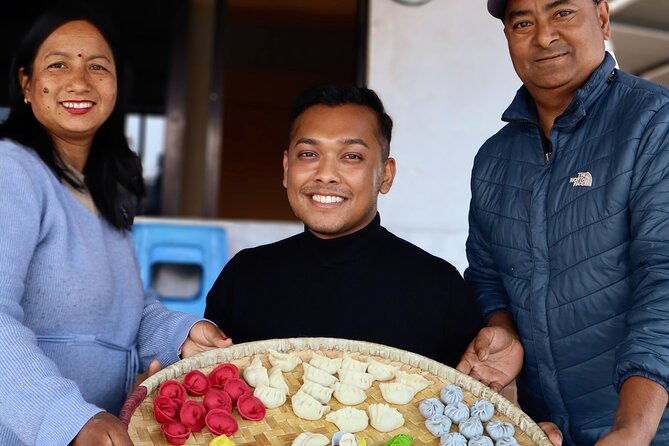
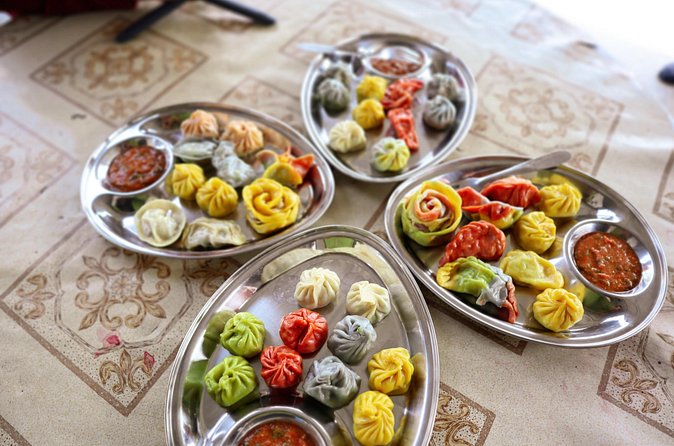
What you make isn’t just for show. Your momos are served both steamed and fried, which gives you two textures to compare in a single class.
That pairing is more useful than you might think. Steamed momos are often softer and more forgiving for beginners, while fried momos add a crisp outside that changes the bite. If you’ve ever wondered what makes a momo go from good to great, this is a smart way to answer it quickly—by tasting both styles back-to-back.
As you eat, pay attention to how the shape affects the experience:
- A well-sealed dumpling tends to stay intact and holds its structure.
- The cooking method affects moisture and crunch, so the same dumpling style can taste noticeably different.
This meal part is also where the class theme lands. You’re not just learning steps. You’re producing a plate of food that reflects the colors and the playful atmosphere of the instruction. It turns a technique lesson into a complete experience.


The queerness-forward vibe: what it adds to the class
Rainbow Mo:Mo is described as queer-forward, and you’ll feel that in how the class is framed. It’s not presented as an optional side note. Instead, the cooking theme is tied to inclusivity and acceptance, using colorful natural ingredients as a visual metaphor.
In practical travel terms, that matters because it can change how safe and welcome you feel while trying something new. A cooking class is already vulnerable—you’re learning while people watch your hands. When the atmosphere is explicitly inclusive, it’s easier to relax and participate.
The class is also playful. The way it uses humor around shaping makes the tone lighter, which helps if you’re traveling alone or if you don’t speak the local language fluently. One memorable booking account notes a solo participant having a fun, personal experience, with the guide and teacher making the moment feel welcoming rather than awkward.
If you’re someone who prefers a strictly neutral food activity, this might not be your vibe. But if you like cultural experiences that have a point of view, this one is easy to take seriously because it stays grounded in real cooking.
Price, timing, and booking smart moves
Rainbow Mo:Mo costs $44.00 per person, and it runs for about 2 hours. For that kind of short session in Kathmandu, the value comes from three things you can actually use: hands-on instruction, ingredient-based natural coloring, and a tasting that includes both steamed and fried momos.
The class is also capped at 15 travelers. In practice, that usually means you’re not just paying for food—you’re paying for time with the people teaching you, especially during shaping and cooking stages.
A detail that hints at demand: it’s booked on average 31 days in advance. If you’re traveling during a busy period, you’ll want to lock it in earlier rather than hoping for luck.
As for your schedule, sessions fall within a daily window (Monday through Sunday, 9:15 AM to 4:15 PM). That’s flexible enough to fit before sightseeing gets heavy or as an afternoon plan that still leaves you time for dinner.
One more practical note: the activity provides a mobile ticket, confirmation at booking, and pickup is available. Those small logistics choices can save you time, especially in a city where your schedule can get disrupted fast.
Who should book Rainbow Mo:Mo (and who might not)
This is a great match if you want:
- A hands-on Kathmandu food experience beyond eating.
- A cooking class that teaches real technique with a friendly tone.
- Something that feels meaningful, using food colors as a language of inclusion.
- A short activity that still gives you a full outcome: you leave with both skill and a meal.
You might think twice if you prefer:
- A traditional cooking class without any themed messaging.
- A sightseeing-heavy day where you don’t want to spend your time pinching and folding.
I’d also consider it if you’re traveling solo. Even when a class is small, you’re still part of an experience, not sitting out while others cook. And if pickup is offered for your session, it lowers the friction of getting to the start.
Should you book it?
If you’re in Kathmandu and you want a momo-making class that feels different from the usual dumpling workshop, Rainbow Mo:Mo is an easy yes. The natural ingredient coloring is genuinely interesting, and the steaming-plus-frying tasting turns learning into something you can actually taste and compare.
The only reason not to book is if you’re allergic to hands-on work or you’d rather keep your activities strictly neutral in theme. If that’s not you, you’ll probably walk away with a grin, a new skill, and a plate of momos that look as good as they taste.
FAQ
What is the meeting point for Rainbow Mo:Mo?
The meeting point is at the Garden of Dreams, Tridevi Sadak, Kathmandu 44600, Nepal.
How long is the momo-making class?
The class lasts about 2 hours.
Do you offer pickup?
Yes, pickup is offered. The meeting area is also near public transportation.
What ingredients are used to make the colorful momos?
You’ll use beetroot, spinach, carrot, and butterfly pea to create the different colors.
Is there free cancellation?
Yes. You can cancel up to 24 hours in advance for a full refund. If you cancel less than 24 hours before the experience’s start time, the amount paid is not refunded.
How large is the group?
The activity has a maximum of 15 travelers.