REVIEW · KATHMANDU
12 Days Annapurna Base Camp Trek
Book on Viator →Operated by Everest High Pass Adventures · Bookable on Viator
Think of sunrise and stone steps in Nepal. This 12-day Annapurna Base Camp trek mixes classic Poon Hill mornings with a final visit to base camp around 4,130 meters, plus a relaxing finish at Jhinu Danda hot springs.
I especially like how the route moves through real villages—Gurung and Magar communities—while you’re still surrounded by rhododendron, bamboo, and terrace farmland. And I like that the trip starts with a guide briefing in Kathmandu to handle permits and get you properly set up before you hit the trail.
One big consideration: the altitude tops out at about 4,130 meters, so you should plan for a slower pace and take acclimatization seriously. If you want mostly flat walking or a quick weekend hike, this won’t match that expectation.
In This Review
- Key things to love about this trek
- Kathmandu briefing, then Pokhara: getting your bearings fast
- Ulleri stone steps and Ghorepani forests: the trek gets real early
- Poon Hill sunrise and the push to Chhomrong
- The Annapurna valley walk: bamboo, Himalaya, and Deurali views
- Annapurna Base Camp at 4,130 meters: the moment that changes the trip
- The return: MBC repeat steps and Jhinu Danda hot springs
- Price and value: what $1,200 covers (and why it matters)
- Pace, altitude, and who should pick this trek
- Should you book this Annapurna Base Camp trek?
- FAQ
- What is the highest altitude on this trek?
- Does the tour include Poon Hill sunrise?
- How do I get from Kathmandu to Pokhara?
- Are meals included during the trek?
- Are permits and fees covered?
- Is pickup available?
- What is the cancellation window?
Key things to love about this trek
- Poon Hill sunrise over multiple peaks: you’re up early for views of Dhaulagiri, Annapurna, and Machapuchare.
- Ulleri’s famous climb: you’ll tackle well over 3,000 stone steps early in the trek.
- Village-and-forest balance: Gurung and Magar stops show mountain life, not just scenery.
- Base camp day at altitude: Annapurna Base Camp is the highlight at about 4,130 meters.
- Jhinu Danda reset: hot springs by the river make the return feel worthwhile.
- Personal service from the team: Everest High Pass Adventures is highlighted for responsive, caring guidance, including a well-regarded guide named Mandip Ji.
Kathmandu briefing, then Pokhara: getting your bearings fast
Kathmandu is your launch pad. On arrival at Tribhuvan International Airport, you’ll transfer to a hotel in the Thamel area, then meet your guide for a trek briefing and permit preparation. That early admin time matters, because Annapurna treks are paperwork-heavy, and you don’t want that stress hanging over your first day.
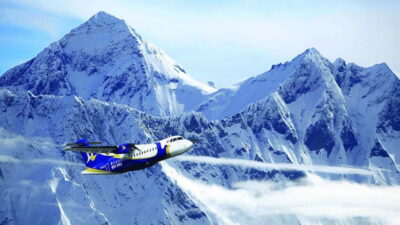
Then you swing to Pokhara, the gateway city for the mountains. You can go by a 6–8 hour overland drive or fly quickly (about 25 minutes). Either way, you end up in a calmer lakeside setting by Phewa Lake, with big Annapurna views that help you wrap your head around what’s coming.
One practical upside here: you’re not just dumped at a trailhead. You get guided setup in Kathmandu, and once in Pokhara, you’re positioned for an early start the next day.
You can also read our reviews of more hiking tours in Kathmandu
Ulleri stone steps and Ghorepani forests: the trek gets real early
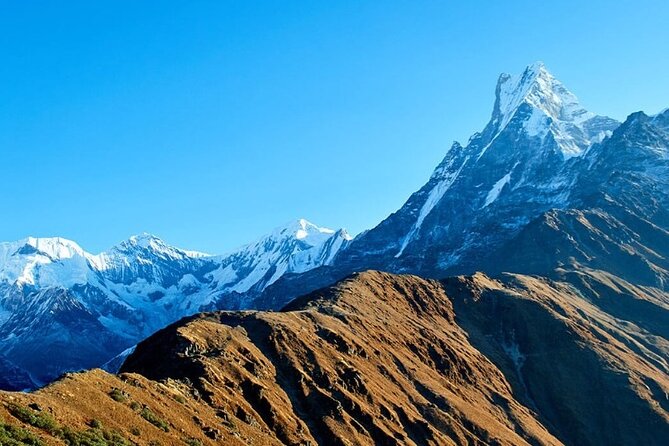
After breakfast, you drive roughly 1.5 hours to Nayapul, the usual starting point. From there you walk to Birethanti and Tikhedhunga, then hit the first major challenge: a steep ascent of well over 3,000 stone steps to reach Ulleri village. This is the kind of uphill that teaches you good trekking habits fast—short steps, steady breathing, and saving energy.
Day 4 shifts into forest country. The path climbs through dense rhododendron and oak, with waterfalls along the way and Magar villages appearing in the mix. That matters because it breaks the monotony of only climbing or only descending. You’re constantly changing scenery and footing, which helps keep the effort from feeling like one long slog.
You’ll arrive in Ghorepani, a popular village with cool alpine air and panoramic views. It’s also the staging point for the next day’s early sunrise hike, so Ghorepani isn’t just a stop—it’s the launchpad for one of the trek’s best payoff moments.
Poon Hill sunrise and the push to Chhomrong
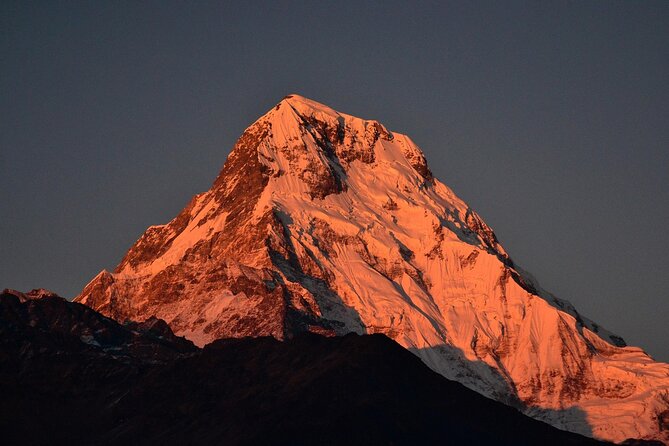
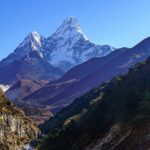
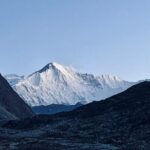
Day 5 is a classic: wake up early and hike to Poon Hill for sunrise. From here, you’re in position for sweeping views of Dhaulagiri, Annapurna, and Machapuchare. The timing is key—sunrise views on a mountain schedule are rarely comfortable, but they’re usually worth the early alarm.
After you descend back to Ghorepani for breakfast, the trek continues through forests that feel almost storybook at times—then you move on toward Chhomrong. That next section becomes a change of pace. On Day 6, the trail descends steeply to a stream, then climbs again through terraced farmland and forests.
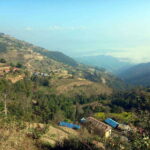
Chhomrong is a big scenic Gurung village. It’s one of the places where the trek turns from “nature day” into “human scale day,” because you see how households and farming fit into the mountains. You also get strong views of Annapurna South, which is exactly the kind of reward you want after a steep, stop-start day.
The Annapurna valley walk: bamboo, Himalaya, and Deurali views
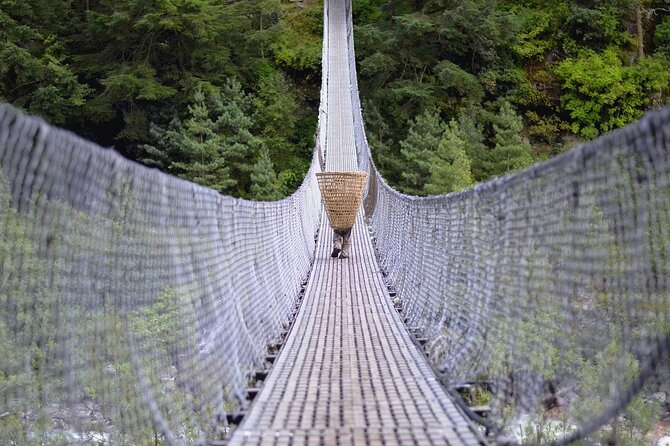
From Chhomrong, the next days keep you in that rhythm: drop, climb, and watch the vegetation change. Day 7 starts with a descent to the river and a climb back up to Sinuwa. Then you follow the trail into bamboo forests and quieter terrain, passing Bamboo and Dovan before reaching Himalaya, tucked in a remote-feeling gorge area.
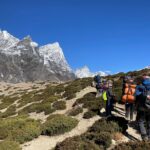
Day 8 builds toward the big moment. You ascend past Deurali and MBC (the area around the base camp approach), and as the forest gives way to open alpine meadows, the air and the views feel different. That shift is more than pretty—it signals you’re approaching the high, open zone where weather changes faster and where you’ll want to keep layering simple and practical.
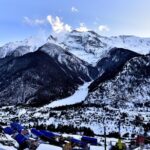
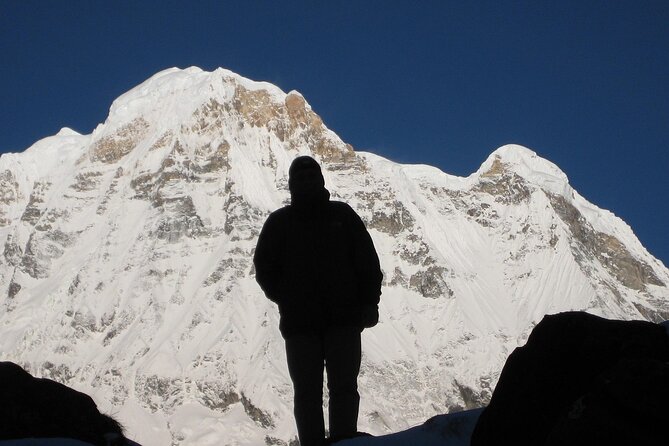
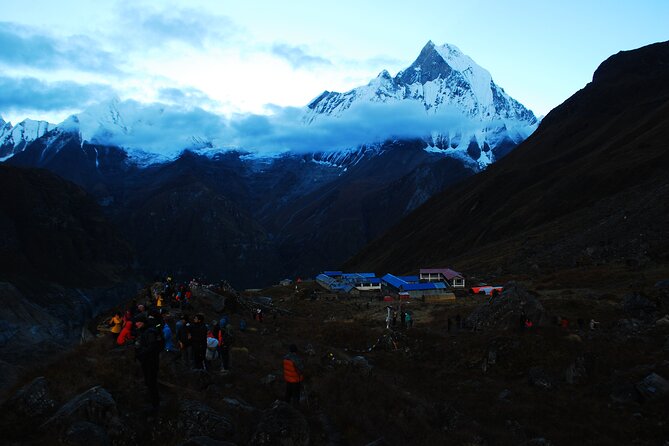
By the time you arrive at Annapurna Base Camp, you’re surrounded by towering peaks. Sunset from base camp is part of the experience too, which means you’re not just walking to a dot on a map. You’re there long enough to feel the place settle into evening light.
Annapurna Base Camp at 4,130 meters: the moment that changes the trip
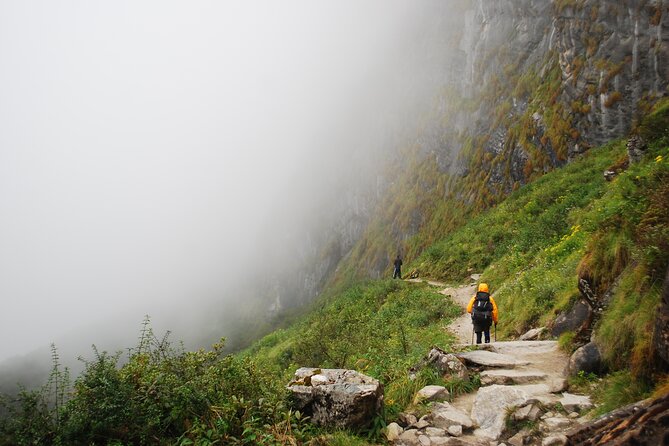
Annapurna Base Camp is described as reaching about 4,130 meters, and that altitude changes everything about how you experience the day. Even when the trek is described as moderate, base camp is still high enough that you’ll want to treat the day with respect: move patiently, drink water, and don’t waste energy chasing extra pace.
What’s special is that you’re not only looking outward. You’re standing in a bowl of peaks, with the surrounding mountains feeling close. The trail here is well established, and that’s helpful because it lets you focus on the view instead of constant route-finding.
Day 8 is also where your planning pays off. You’ve built up through Ulleri’s steps, Ghorepani’s forest climb, and the Chhomrong rise. So base camp doesn’t feel like a random destination. It feels like the finish line to a set of challenges you’ve already met.
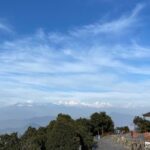
One more note: weather matters on high trails. You’re traveling in an area where clouds can roll in, which affects visibility and sunrise/sunset plans. The good news is the experience is timed around classic view points—just be flexible if conditions aren’t cooperating.
The return: MBC repeat steps and Jhinu Danda hot springs
The return is never just repeat. Day 9 starts early again with sunrise over the Annapurna range, then you descend through MBC, Deurali, and Dovan to Bamboo. The descent is easier but long, so you’ll feel the day in your legs. This is where trekking poles (if you use them) and steady pacing really help.
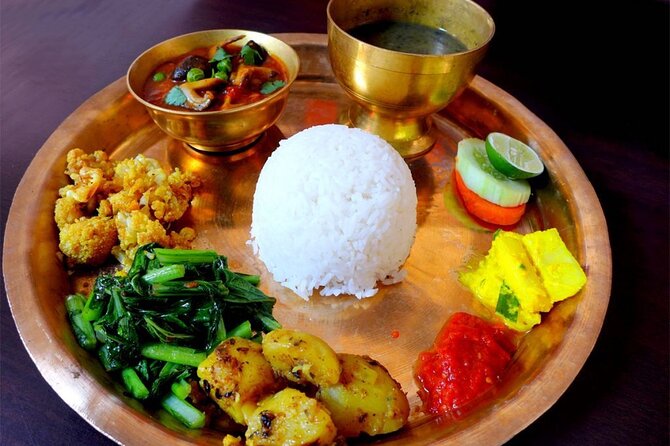
Day 10 is a route that mixes uphill and steep down. You trek uphill to Chhomrong, then descend steeply to Jhinu Danda. The reward here is the reason many people love this part: natural hot springs by the riverside. After days of hiking on hard-packed trail and stone steps, it’s the kind of reset that helps you keep your body happy for the final travel days.
Day 11 brings you back down to the practical world again. You take a short trek to Siwai or Nayapul, then drive back to Pokhara. If you want to mark the achievement, you can do it the easy way—lakeside dinner, massage, or just relaxing and looking out at the mountains without worrying about your next step.
Finally, Day 12 returns you to Kathmandu by flight or drive. If your flight isn’t immediate, you can choose an extra night in the city depending on timing.
Price and value: what $1,200 covers (and why it matters)
At $1,200 per person, the value is mostly about what you don’t have to manage yourself. This price includes meals, government fees, and entrance fees. It also includes coverage for excess baggage, and you’ll have WiFi on board.
Meals are a big deal on multi-day trekking. Once you’re carrying less daily decision-making, you spend more mental energy on the trail. Also, having permits handled via the guide briefing in Kathmandu reduces the most annoying part of planning a trek: paperwork and timing.
Another value point is service style. Everest High Pass Adventures is associated with responsive, professional help before you even start, and their guides—often mentioned by name—are described as caring and polite. Mandip Ji, in particular, comes up as someone with calm mountain knowledge and an upbeat attitude that helps keep people comfortable on long trekking days.
Pickup is offered, and the tour is private, meaning it’s just your group. That can make the schedule feel smoother, since you aren’t negotiating group decisions with strangers mid-trek.
Pace, altitude, and who should pick this trek
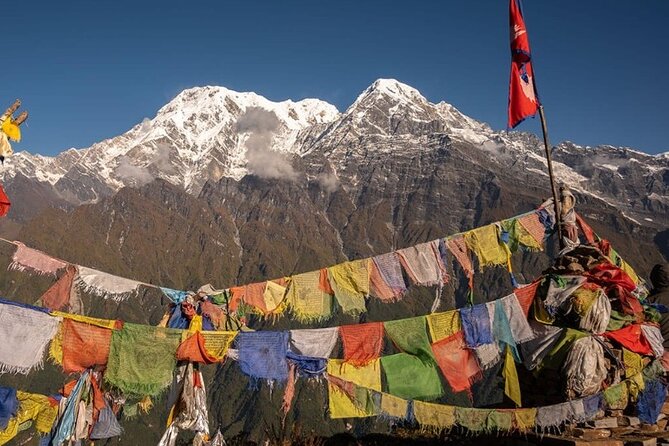
This trek is described as moderate with a target altitude around 4,130 meters, and it’s best matched to people who can handle daily walking with some steep sections. Ulleri’s stone steps are early, and you’ll feel those muscles right away. Later, you’ll deal with long descents and repeat sections on the way back.
It’s also a good fit if you like structure. You get early starts for sunrise viewpoints and enough time to settle into each stop. The trail passes through rhododendron forests, bamboo zones, and villages, so you’re not stuck only in one type of terrain.
Considerations if you’re not sure:
- You should take altitude seriously, even if you’re fit.
- Good weather matters on high routes, especially for sunrise and sunset views.
- If you’re looking for a trip with minimal uphill time, this won’t feel gentle.
The experience is private and your guide supports you through permits and daily flow. Service animals are allowed, and the tour is near public transportation in Kathmandu and Pokhara, which helps when you’re coming and going.
Should you book this Annapurna Base Camp trek?
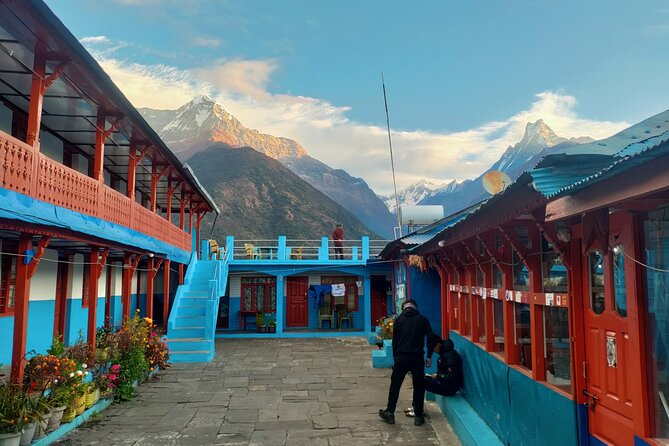
If you want a classic Annapurna route with real village stops, big sunrise moments, and a satisfying finish at hot springs, this is a solid choice. The value is strongest when you like having the logistics handled—meals, fees, and guided setup—so your energy stays on the mountains.
I’d book if:
- You can handle a steep start (Ulleri’s stone steps).
- Sunrise views are a priority for you.
- You want a trek that mixes culture and scenery instead of only hiking.
I’d think twice if:
- You’re very altitude-shy or looking for a mostly easy walk.
- You need guaranteed clear skies for photos, because weather can affect visibility at high points.
If your goal is a well-run Himalaya trek with caring guidance (including Mandip Ji, when assigned), this plan makes a lot of sense.
FAQ
What is the highest altitude on this trek?
The experience lists Annapurna Base Camp at about 4,130 meters.
Does the tour include Poon Hill sunrise?
Yes. You hike to Poon Hill early for sunrise views of Dhaulagiri, Annapurna, and Machapuchare.
How do I get from Kathmandu to Pokhara?
You can travel by 6–8 hour overland drive or take a quick flight of about 25 minutes.
Are meals included during the trek?
Yes. Meals are included.
Are permits and fees covered?
Yes. Government fees and entrance fees are included, and your guide prepares permits during the Kathmandu briefing.
Is pickup available?
Yes. Pickup is offered.
What is the cancellation window?
Free cancellation is available up to 24 hours in advance for a full refund. The experience can also be canceled due to poor weather, with an alternate date or full refund offered.