REVIEW · KATHMANDU
Sacred Pashupatinath: Aarati,Cremation Rites & Boudha Stupa
Book on GetYourGuide →Operated by Enticing Himalayas Travels Private Limited · Bookable on GetYourGuide
Some places hit you fast, then keep talking. This tour links Boudhanath Stupa and Pashupatinath Temple through real ritual life, prayer wheels, and an evening aarti that feels both sacred and unforced. I especially like the guided context, because the symbols at Boudhanath and the steps of the rites at Pashupatinath make much more sense when someone explains what you’re seeing. The only real drawback is that the cremation ceremonies can be emotionally intense and a bit hard to watch up close.
You also get a practical day plan that’s short enough to fit around Kathmandu sightseeing. I like that hotel pickup and drop-off (when selected) plus markets around both sites keep it from feeling like two rushed photo stops. Still, you should plan for rules and limitations—non-Hindus can’t enter the main sanctum, and you’ll need to follow site guidelines on bags and conduct.
In This Review
- Key highlights you’ll actually feel
- Boudhanath Stupa kora: how the walk becomes the lesson
- Pashupatinath Temple: seeing Shiva devotion without rushing the rules
- Cremation rites and the aarti: why this part feels intense
- How the guide turns big sights into real understanding
- Market time, photo stops, and breaks that keep the day human
- Price and entry fees: what $11 really buys you
- Respect rules, what to bring, and who should think twice
- Should you book Sacred Pashupatinath: Aarati, Cremation Rites & Boudha Stupa?
- FAQ
- How long is the Sacred Pashupatinath tour?
- What does the tour cost?
- What’s included in the price?
- What’s not included?
- Do I need to pay entry fees?
- Where do I meet the guide?
- Which languages are available?
- Can non-Hindus go inside the main sanctum at Pashupatinath?
- What should I bring, and what can’t I bring?
Key highlights you’ll actually feel
- Boudhanath kora: walk the sacred loop around the stupa and watch pilgrims spin prayer wheels
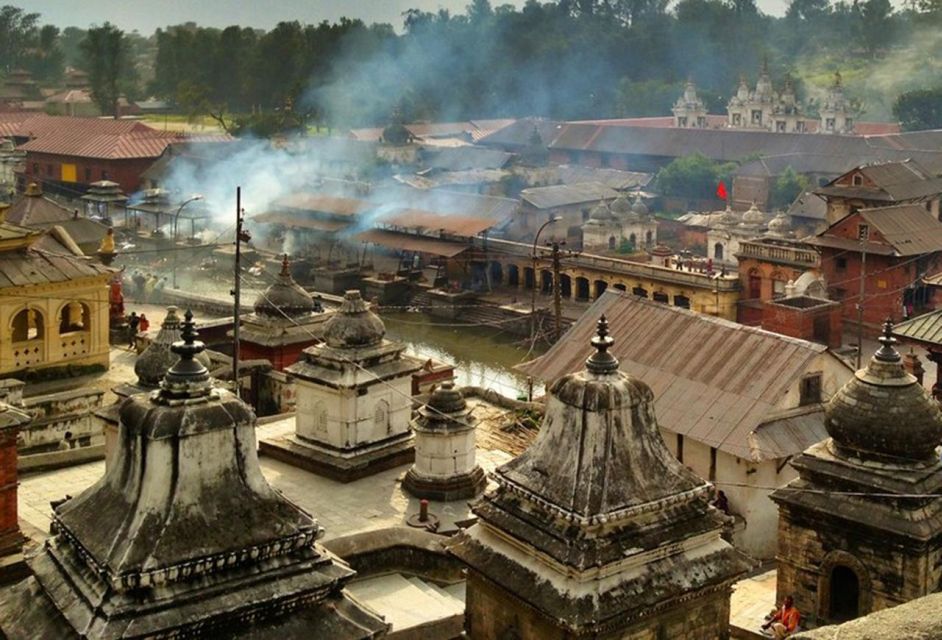
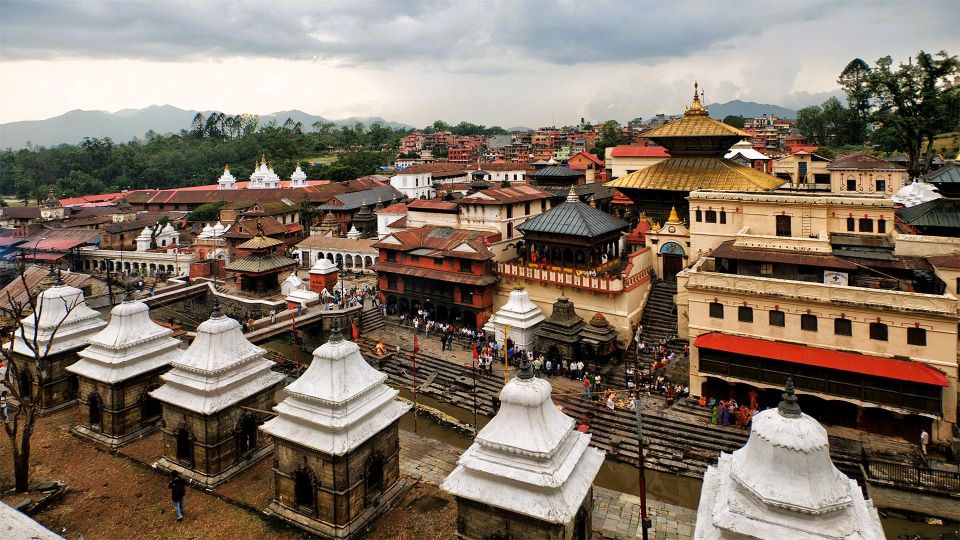
- Pashupatinath outer complex: see Shiva temple architecture and statues from the Bagmati River side
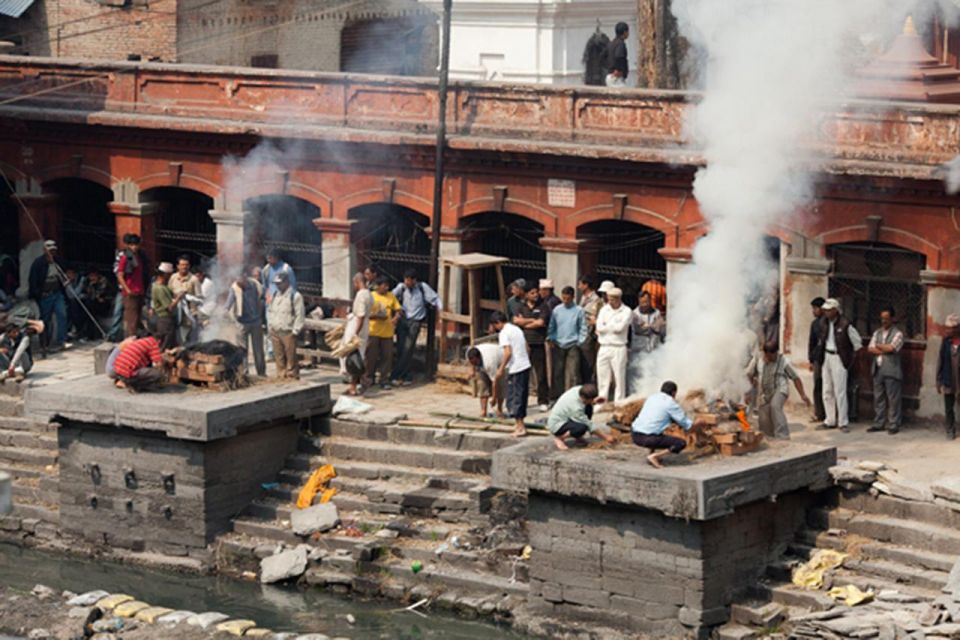
- Cremation rites viewing: witness open-air rituals where life and death are part of public faith
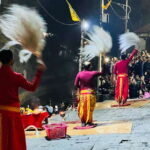
- Aarti ceremony: hear chants and conch shells as the atmosphere shifts toward evening devotion
- Local market time: browse arts and crafts around the temple area with your guide’s help
Boudhanath Stupa kora: how the walk becomes the lesson
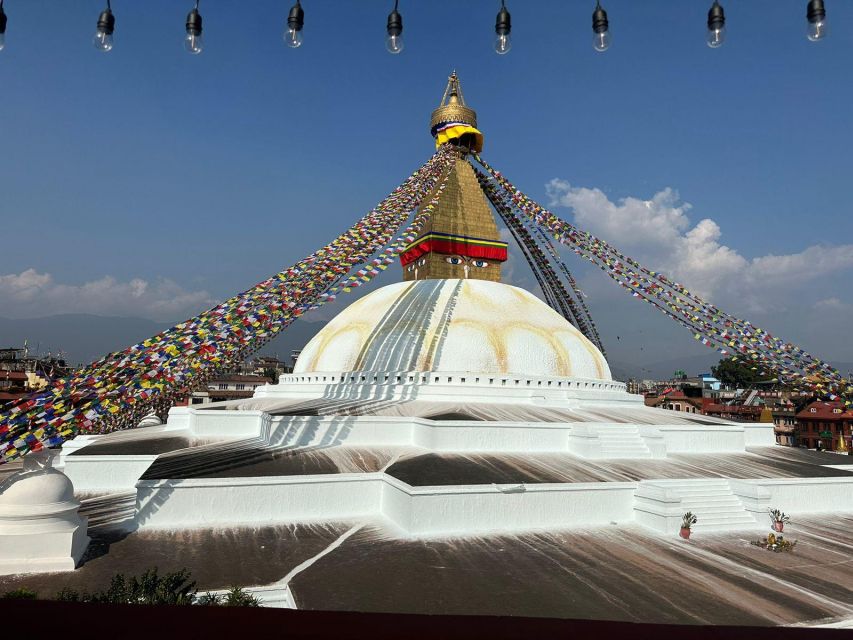
Boudhanath Stupa is the kind of landmark that changes your posture. You arrive and the huge white dome and gold spire do most of the talking. Then you step into the daily rhythm of the place, where pilgrims circle the stupa again and again, and the soundscape is all prayer: movement, chanting, bells, and the steady feel of routine.
The big moment here is the kora, the sacred circumambulation. You’re not just walking for exercise. The point is participation—moving with the flow while the stupa stays centered in your field of view. If you take your time, you’ll notice how different people move differently: some bow, some pause to watch, some focus on the prayer wheels, and some just keep circling like it’s breathing.
I like that your guide helps connect the visual to the meaning. You’ll get help reading what you’re seeing instead of treating it like set-dressing. That matters because the stupa is covered in symbols and smaller elements that can feel overwhelming at first. With guidance, the whole scene turns from wallpaper into a map.
A practical note: Boudhanath is also a shopping zone, with spiritual artifacts and everyday goods nearby. You may get a break to wander, grab a photo, or stop for a drink in the area around the stupa. Just don’t let shopping swallow your time. The stupa looks best when you slow down and let the light change.
You can also read our reviews of more tours and experiences in Kathmandu.


Pashupatinath Temple: seeing Shiva devotion without rushing the rules
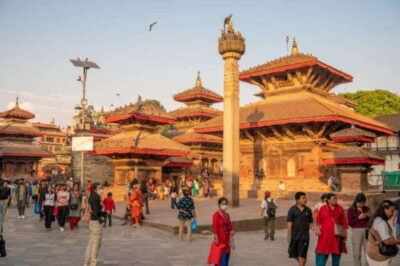
After Boudhanath’s calm, Pashupatinath Temple has a different kind of energy. The complex sits on the Bagmati River in Kathmandu, and it functions as a living Hindu pilgrimage site, not a museum set. Even before you reach the main highlights, you’ll feel the flow of people moving between shrines and riverside areas.
Here’s the important limitation upfront: non-Hindus are not permitted inside the main sanctum. That means you’ll spend your time exploring the outer temple complex with your guide, looking at architecture, statues, and smaller shrines. It still feels extremely meaningful because Pashupatinath isn’t only about one door and one inner room. The outer spaces, river access, and rituals happening along the ghats are the core of the experience.
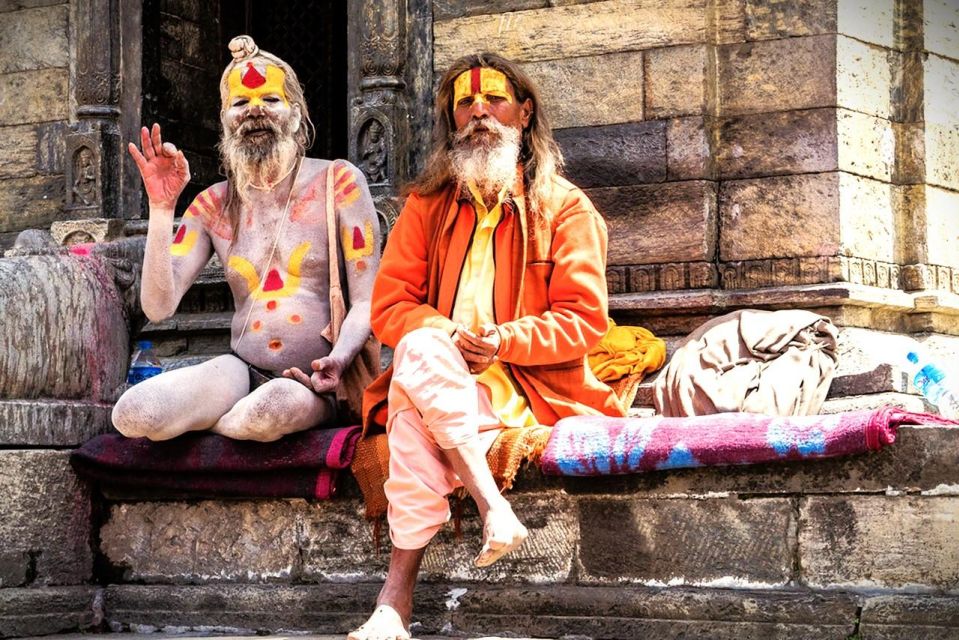
This is also where you’ll see the human side of the tradition—sadhus and holy men in the temple grounds, plus visitors who come for prayer, not selfies. If you’re expecting a quiet temple visit, adjust your expectations. Pashupatinath is active. Your best strategy is respectful attention and patience: watch, don’t crowd, and follow what your guide asks you to do.
Your guide should walk you through what you’re seeing—statues, temple layout, and why the riverside rituals are central to the belief system here. The payoff is that you’ll understand the site beyond the headline.
Cremation rites and the aarti: why this part feels intense
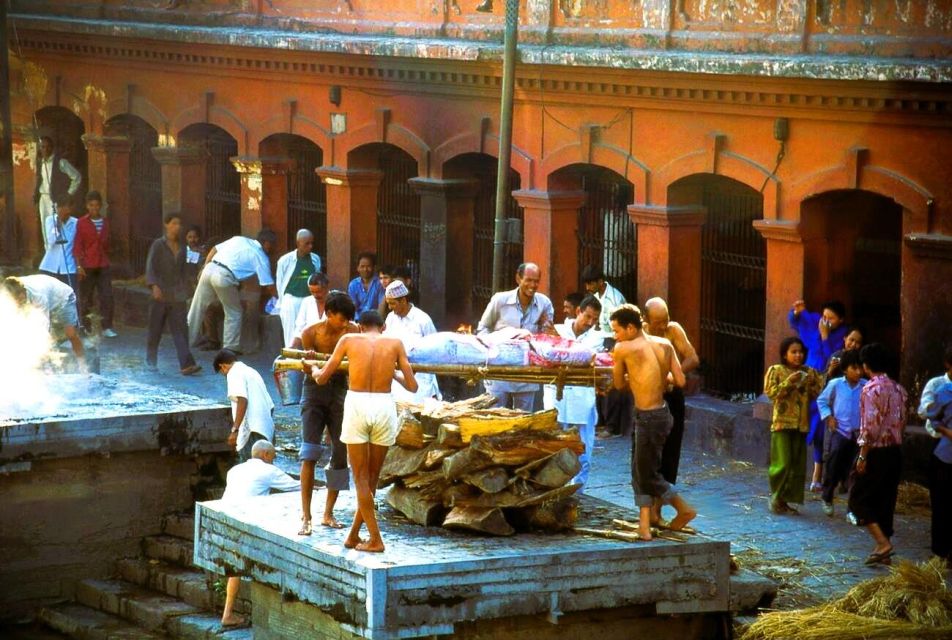
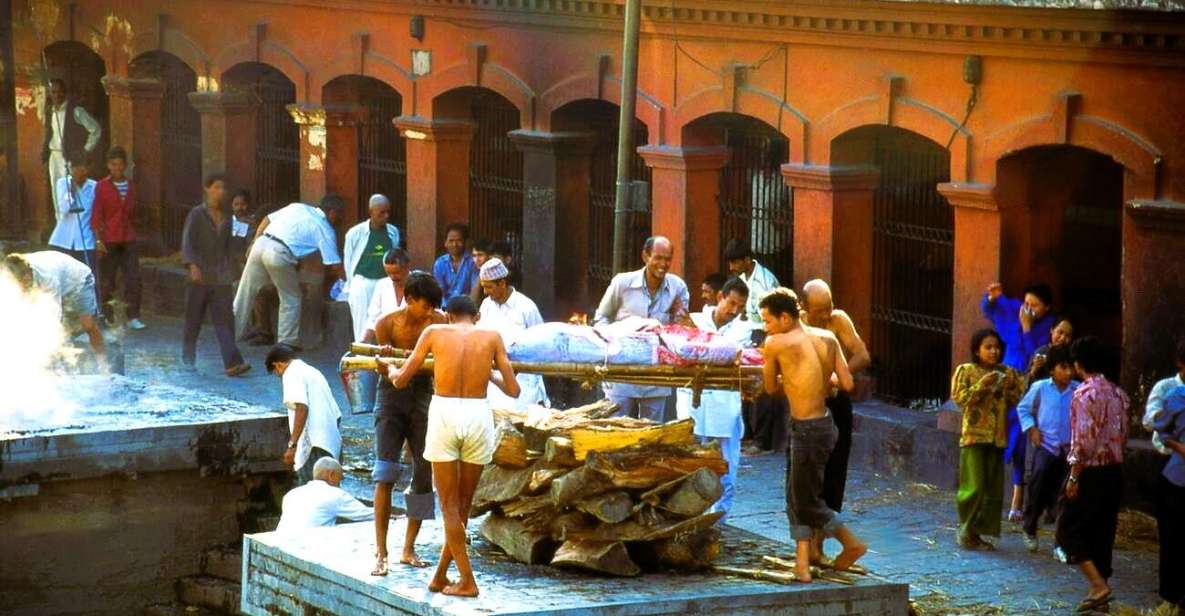
The most powerful part of this tour is also the part that demands emotional preparation: witnessing the Hindu cremation ceremonies along the Bagmati ghats. These rites are open-air, and they happen as a public expression of life, death, and spiritual transition. It can feel heavy. One review even called the aarti emotional and a bit dark—but also said it’s a must experience if you’re in Kathmandu.
I think the key is how your guide frames it. If you only watch without context, it can feel like morbid spectacle. With explanation of the symbolic steps—especially the role of the sacred fire—you’re more likely to see it as a serious ritual with rules, meaning, and dignity.
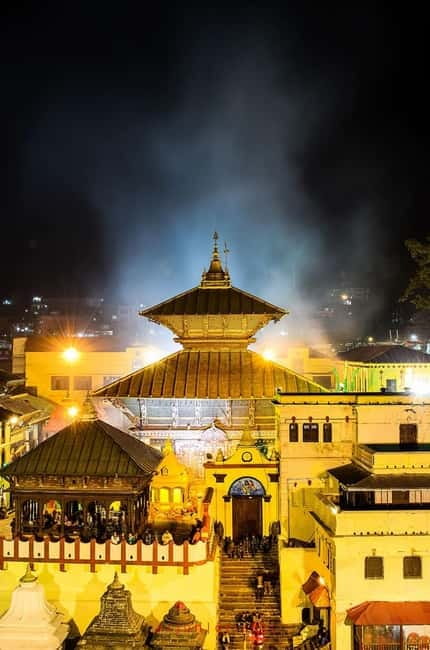
Then the day can shift toward evening with spiritual sound. As the light lowers, the atmosphere at Pashupatinath can fill with chants, bells, and even conch shells. That sound shift is real. You’ll notice people change their pace and attention, like the site is entering another mode of devotion.
One more practical point: you may be asked to stay quiet, stand where you’re instructed, and avoid stepping into people’s viewing or ritual space. It’s not hard, but it’s not optional. Think of it like a theater: you don’t want to block the view, even if you’re feeling overwhelmed.
How the guide turns big sights into real understanding
This tour lives or dies by the person holding the thread. When the guide explains what each symbol and step means, the sites stop feeling like “two famous places” and start feeling like connected worlds.
From the guides named on recent experiences, you can get an idea of what works well: people describe guides like Razz and Pranav as polite, friendly, and very good at answering questions during the temple walk and the aarti. Others mention Karma and Anish as careful explainers who helped them watch the crematorium area with respect. One person also credited a guide named Sudhir for making the tour feel full of information and spiritual feeling.
You shouldn’t treat names like guarantees. But it does tell you the operator invests in the explanation part, not just logistics. And that explanation matters especially for the cremation section and the meanings behind what you see at Boudhanath.
A smart traveler move: come with two or three questions you genuinely care about. For example: What does the kora represent in everyday practice? What does the sacred fire symbolize in this rite? Ask those, and you’ll get more out of the day without turning it into an interview.
Market time, photo stops, and breaks that keep the day human
The itinerary rhythm here is short and steady: you’re not stuck in a full-day marathon. There are break times, photo stops, and guided walking that keeps things moving while still allowing pauses to look closely.
At Boudhanath, your guide can help you browse nearby spiritual shops and keep your attention on what’s relevant. You might also find small performance or art moments around the area. One experience mentioned watching artists paint Dalai Lama Thangka paintings and taking part in a mini singing-bowl style meditation, plus even a massage. That kind of add-on can happen when the timing lines up locally, but you should treat it as a bonus, not a promise.
At Pashupatinath, the tour includes time for shopping around the temple arts-and-crafts market area. This is also where you’ll run into the usual Kathmandu sales pressure. You can handle it with one simple line: politely decline and keep walking. Some guides are good at steering you away from pushy corners while still letting you enjoy the stalls.
Tip for photos: aim for moments that don’t disrupt rituals. Capturing the stupa from a distance or getting a respectful angle on the temple complex is easier than trying to photograph during key moments of the rites. If your guide offers a place to stand, take their advice.

Price and entry fees: what $11 really buys you
The advertised price is $11 per person, with a tour duration of 2–5 hours. That’s a low base price for what you’re getting, especially because the package can include hotel pickup and drop-off (depending on your chosen option) and a live guide through both sites.
But the details matter. Entry fees are not included:
- NRs 400 for Boudhanath Stupa
- NRs 1000 for Pashupatinath Temple
So you should plan your total budget as: base tour price + both entry fees + whatever you want for food and personal shopping. Food and drinks are not included either.
The real value, in my view, comes from three things:
- You get guided access and context at both sites
- You get help with where to stand and what to focus on during the rites and aarti
- You get the “day flow” with pickup, return to Thamel, and time built in for breaks
Also, the tour includes skip-the-ticket-line support. That can save real time when you’re dealing with lines at major sites.
Respect rules, what to bring, and who should think twice
This tour has clear behavior expectations. You’ll want to follow them because these are active places of worship.
Bring:
- Passport or ID card (a copy is accepted)
Not allowed:
- Luggage or large bags
- Drones
- Alcohol and drugs
- Nudity
Suitability notes:
- Not suitable for children under 12
- Not suitable for people with respiratory issues
If you’re traveling with a lot of gear, pack light. If you’re prone to breathing problems, consider whether crowded outdoor areas and ritual incense/smoke exposure could be an issue.
Also, you should be emotionally prepared. The cremation rites are not staged. They’re part of daily religious practice here, and they can feel intense even when everything is peaceful and respectful.
Should you book Sacred Pashupatinath: Aarati, Cremation Rites & Boudha Stupa?
Book this tour if you want your Kathmandu day to feel connected, not random. You’ll see Boudhanath’s prayer life and then experience Pashupatinath’s living Hindu practice on the Bagmati ghats—plus an aarti atmosphere that turns the evening serious.
Skip it or rethink it if:
- You can’t handle emotional intensity around cremation rites
- You need a purely comfortable, sightseeing-only day
- You’re traveling with a large amount of luggage or you’re not able to follow strict site rules
- Your health limits you in crowded, outdoor religious settings
If you do book, do one extra thing: choose a guide option that includes pickup if you’re staying far from the action, and ask your guide for where you should stand during the rites and aarti. That small change can make the experience respectful and more comfortable—while still letting you see what you came for.
FAQ
How long is the Sacred Pashupatinath tour?
It runs for 2 to 5 hours, depending on the selected starting time and how your visit flows.
What does the tour cost?
The price is listed as $11 per person.
What’s included in the price?
The tour can include hotel pickup and drop-off (if selected), a live guided tour at Boudhanath, guidance to witness the Hindu cremation rituals at Pashupatinath, time to explore markets near the sites, and a guided return back to your central area (Thamel).
What’s not included?
Entry fees for both sites are not included: NRs 1000 at Pashupatinath and NRs 400 at Boudhanath. Food and drinks are also not included, along with personal expenses and optional purchases.
Do I need to pay entry fees?
Yes. You’ll need to cover the site entry fees yourself if you want to enter both places: NRs 1000 at Pashupatinath and NRs 400 at Boudhanath.
Where do I meet the guide?
The guide will meet you at the ticket counter of Pashupatinath Temple. Pickup may be available depending on the option you choose.
Which languages are available?
The live guide is offered in English, Chinese, Hindi, and Russian.
Can non-Hindus go inside the main sanctum at Pashupatinath?
Non-Hindus are not permitted inside the main sanctum, but you can explore the temple’s outer complex with your guide.
What should I bring, and what can’t I bring?
Bring a passport or ID card (a copy is accepted). Don’t bring large bags/luggage, drones, alcohol or drugs, or anything that violates the site rules (including nudity).