REVIEW · KATHMANDU
Kanchenjunga Circuit Trek 19 Days
Book on Viator →Operated by Nepal Nirvana Trails · Bookable on Viator
Kanchenjunga feels remote on purpose. This 19-day trek strings together jungle paths, stone-and-prayer villages, big river crossings, and serious Himalayan views—plus access to both north and south base camps for multiple angles on one of Earth’s tallest peaks. I like that the route is less crowded than Nepal’s best-known trekking corridors, because the trail is newer and local infrastructure is still catching up.
My favorite part is how the trek builds in texture, not just altitude. You hike from trailhead logistics in Kathmandu into Taplejung and the higher valleys step by step, then you spend focused time near the base camps and high passes so the scenery has room to hit you. The other big win is the human support: a government-licensed, first-aid-trained guide and a porter setup designed for real trekking days.
One drawback to plan around: the experience includes long jeep rides on both sides of the trek, and the food is described as very basic (with tea-house lodging along the way). If you hate simple mountain meals or you’re sensitive to being in a vehicle for hours at a time, you’ll want to think hard before booking.
In This Review
- Key reasons this Kanchenjunga trek is worth your attention
- Entering Kanchenjunga: why the circuit feels quieter
- Kathmandu prep in Thamel: permits, passports, and getting organized
- Flights to Bhadrapur and the long jeep ride to Taplejung
- Sekathum to Ghunsa: bridges, forests, and settling into the pace
- Khambachen: acclimatization with glaciers, viewpoints, and big sky
- Lhonak and the north base camp push to Pang Pema
- Leaving the north base camp and crossing toward Sele Le
- High passes: Sinion La, Mirgin La, and Sinelapche Bhanjyang days
- From Tortong to Yamphudin and Kanyam: village walking and river valleys
- Finish with Bhadrapur and a return to Kathmandu
- Price and value: what $2,000 actually buys you
- The support team: where guides and porters show up in real life
- Food on the trail: basic tea-house meals and smart choices
- Fitness, pacing, and who should choose this trek
- Should you book the Kanchenjunga Circuit with Nepal Nirvana Trails?
- FAQ
- Will I need to arrange permits for this trek?
- What’s included in the $2,000 price?
- What is not included?
- How long is the trek?
- Is pickup and transportation included?
- What kind of food can I expect?
- How many people are in the group?
- What cancellation options are available?
Key reasons this Kanchenjunga trek is worth your attention
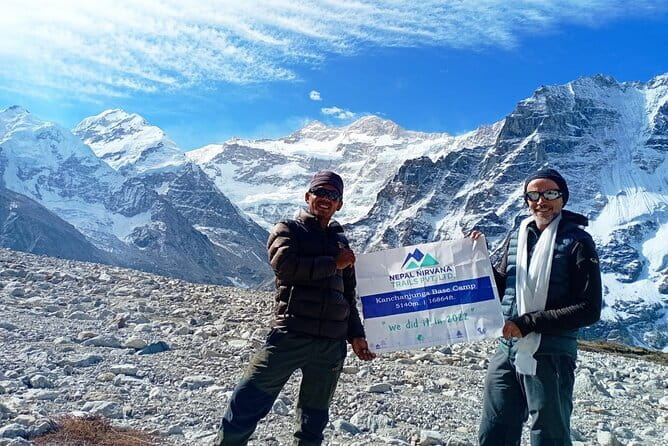
- Both base camps (north and south): you get more than one “final viewpoint” moment.
- Quieter trail: the route is newer, and villages are less developed, so it tends to feel calmer.
- Small group size: capped at 8 travelers, which usually means a smoother rhythm on trail.
- Real support system: a government licensed guide plus a porter (between 2 trekkers gets 1 porter).
- Wildlife and mountain drama: there are chances to spot blue sheep and snow leopards in the broader region.
- Logistics that trade time for access: domestic flights and private jeeps reduce hassle, but rides are long.
Entering Kanchenjunga: why the circuit feels quieter
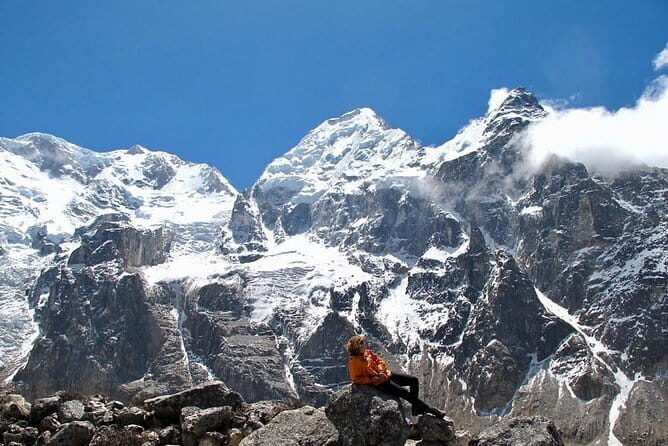
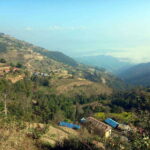
This is the kind of trek where you can actually hear yourself think. The circuit is described as newly established compared to Nepal’s biggest trekking routes, and that matters. Less tourism pressure usually means fewer crowds at tea houses, fewer people stepping on your best photo timing, and more chances to notice how locals live along the trail.
You’ll still get classic Himalaya trekking energy: steep days, high views, chilly mornings, and the steady click of boots on stone paths. But the overall feel is slower and more local. That’s a big part of why people choose Kanchenjunga when they want an “off the main radar” adventure.
At the same time, “quieter” also comes with tradeoffs. Villages along the route are said to be less developed, which typically means simpler lodging and limited convenience. If you want predictable, modern comforts every night, you’ll likely find this route more basic than the Annapurna or Everest popularity circuit vibe.
You can also read our reviews of more hiking tours in Kathmandu
Kathmandu prep in Thamel: permits, passports, and getting organized
Your Kathmandu phase is built around getting you trekking-ready without wasting time. You’re picked up from Tribhuvan International Airport with an airport representative, then transferred to a hotel in Thamel for 3 nights with breakfast included.
On day 2, the team management meets you around 9 am to start permit preparation. Your original passport is taken for permit processing, then returned later that day when the team manager meets you again. This is normal for Nepal trekking operations, but it helps to go in calm: expect a “passport custody” day, and keep a close watch on what you need for the evening.
In your spare time in Thamel, you’ll get the practical advantages of location. Thamel is near public transportation, so even if you want to grab something small before the trek, you’re not trapped at the hotel. You also get time to sort your packing for colder nights, because once the circuit starts, your options shrink fast.
Flights to Bhadrapur and the long jeep ride to Taplejung
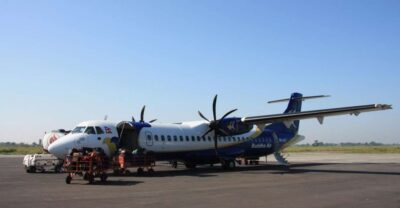
The first major move out of Kathmandu is a domestic flight to the eastern entry point. Day 3 flies from Kathmandu (TIA) to Bhadrapur (Chandragadhi Airport) in about 45 to 50 minutes, then you take a local jeep and drive through Kanyam and the Mechi Highway route toward Taplejung.
Day 4 continues the access push by jeep toward Sekathum. The trek summary notes that trekkers often prefer walking up from Taplejung, but this itinerary uses vehicle transport partway, so you’re trading some hiking for travel time and schedule control.
Here’s the real value of this setup: you arrive at trail zones with less chaos. Private jeep transfers are included, and that saves energy you’ll later need for ascent days. Still, the tradeoff is patience. A strong note from past experience on this operator is that the 4×4 jeep ride can be long because trekking areas are remote from civilization.
If you’re prone to motion sickness, this is one place to plan. Bring whatever helps you handle bumpy roads, because you’ll likely feel it before you feel the mountains.
Sekathum to Ghunsa: bridges, forests, and settling into the pace
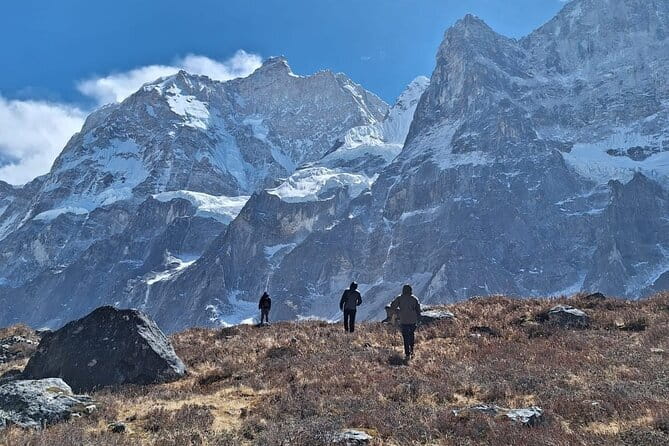
After you reach Sekathum, day 5 is when hiking truly starts in earnest. You begin with an ascent along the Ghunsa Khola, walking over many bridges. That early “bridge-and-rhythm” style is important: it teaches your legs to adapt to constant minor changes in footing.
Day 6 moves you forward to Gyabla (also called Kyapra). The description emphasizes trekking through a dense forest with long stretches without human settlement. That means you’ll likely spend more time in the natural quiet, with fewer breaks shaped by village life.
Day 7 continues through woodland toward Phale village and onward to Ghunsa. Ghunsa is a classic acclimatization stop on many eastern Himalayan routes, and it’s built into this plan as a place to get your body ready. The trek has you reach a point where your altitude days start making more sense.
This phase is also where you’ll feel the difference between “a trek” and “a circuit.” It’s not just one climb. It’s a sequence of walking days that gradually stacks altitude and exposure, with forest sections that help keep you moving steadily rather than constantly fighting bare rock.
Khambachen: acclimatization with glaciers, viewpoints, and big sky
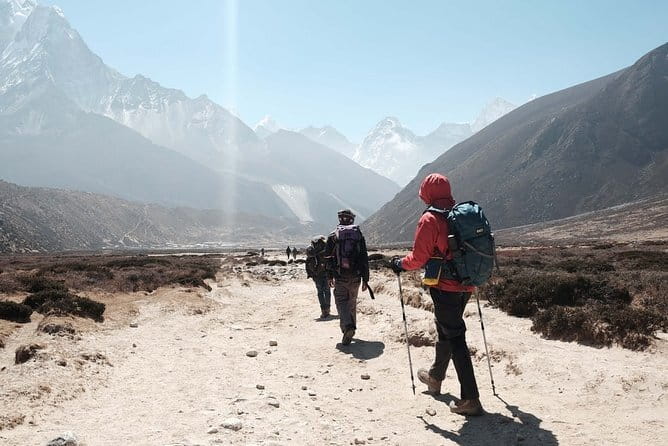
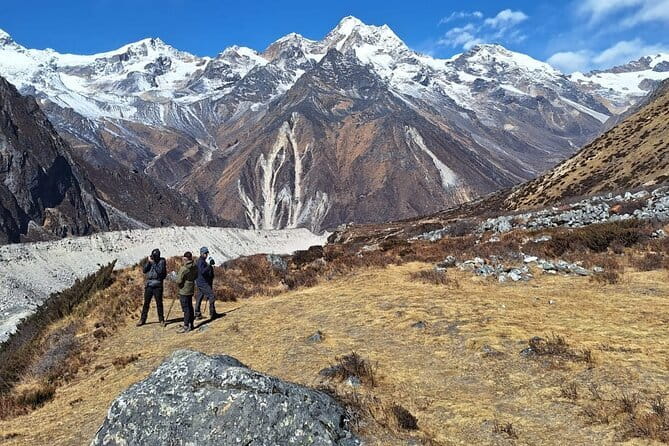
Day 8 brings you to Khambachen via gradual ascent through an open pine forest. The trail is described as passing landslide-prone areas, so this is the kind of section where slow, careful steps matter more than speed. The promise here isn’t just higher altitude—it’s also the chance for wildlife sightings such as blue sheep and snow leopards in the broader trekking region.
Day 9 is a rest day at Khambachen with a short hike to nearby glaciers, viewpoints, and lakes. That rest strategy is practical: you get movement without overreaching, and it helps your body adjust while you still enjoy the scenery. Importantly, the itinerary positions this rest before you push toward the north base camp.
If you’re the type who gets anxious when you see altitude gain ahead, this day is your pressure valve. You’re still active, but you’re not trying to “win” a distance goal. You’re learning how your body handles the thin air.
Lhonak and the north base camp push to Pang Pema
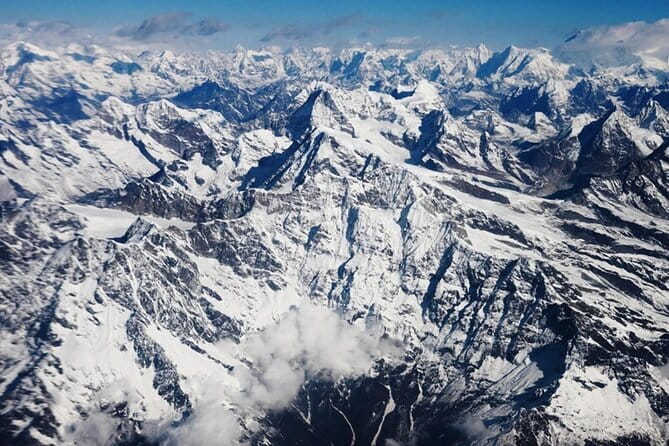
Day 10 heads to Lhonak, on the route toward the Kanchenjunga glacier and the north base camp area. The plan notes that you may meet other trekkers in the main season who are walking toward and returning from the Kanchenjunga North Base Camp. Even if this trek is quieter overall, this is where mountain traffic can show up.
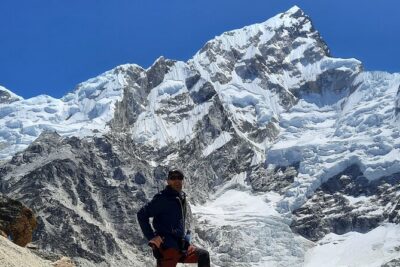
Day 11 is the day you hike to the north base camp, also known as Pang Pema. The route is described as a gradual climb following moraines. Moraines can feel like awkward ground—jagged and changeable—so it’s less about speed and more about steady rhythm and careful foot placement.
This is where the “both base camps” idea pays off. South base camp sightlines tend to feel different from what you see from the north approach. When you have both in the same trek, you’re not just chasing altitude—you’re building a multi-angle understanding of the mountain.
On the emotional side, this is the point where people often remember how much patience mattered. The payoff is not only the views; it’s the sense that the circuit’s long lead-up has finally connected to something big.
Leaving the north base camp and crossing toward Sele Le
Day 12 takes you back toward Ghunsa, retracing the trail after north base camp. Retracing can sound boring on paper, but it often works well here because you’ve already “earned” the higher segment. Coming down also helps your body recover a bit after the north base camp day.
Day 13 reaches Sele Le as you arrive at a new pass approach, leaving the trail to Gyabla behind. The trek description calls out the chance to see snow leopards as you pass through dense forest, with isolated human settlements and few teahouses. This is one of those “it’s remote but alive” sections, where your daily rhythm becomes simpler because the village rhythm is sparse.
This mid-trek day also matters because it sets up what comes after: more high passes. The circuit keeps raising the difficulty level, but it does it in stages so your pace doesn’t fall apart.
High passes: Sinion La, Mirgin La, and Sinelapche Bhanjyang days
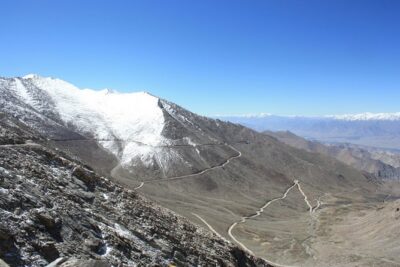
Day 14 is a high-altitude pass push after leaving Sele Le Pass. You hike up to several passes: Sinion La at 4440m, Mirgin La at 4480m, and Sinelapche Bhanjyang at 4645m. The height numbers are big, but the bigger reality is that you’ll feel the effort in your breathing.
The itinerary calls these days “spectacular panoram(i)” based on the text provided, and that’s consistent with what a multi-pass approach does. You get repeated windows of mountain view, not just one final moment at the top. It’s also a day where conditions matter: wind, cold, and visibility can change what the pass looks like.
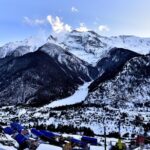
Then day 15 is about going higher and closer to views via the Yalung glacier. You head forward through the glacier area after early breakfast and pass by Yalung, with views of Rathong (6682m) and Kabru (7412m). This is the kind of day that tests commitment—because when the scenery is this intense, you’ll want to linger, but your body also wants you to keep moving.
Day 16 shifts you into rhododendron forests and a downhill start, ending at Tortong. You’re using the circuit pattern: climb, pause, and then descend into a calmer rhythm.
From Tortong to Yamphudin and Kanyam: village walking and river valleys
Day 17 continues descent toward the Amji Khola, passing through Lasiya/Lamite Bhanjyang (3415m) and Dhupi Bhanjyang (2665m), then reaching Yamphudin village. The description flags steep slope areas, so again: slow feet and consistent spacing with your guide will be the difference between okay and exhausting.
Day 18 moves from Yamphudin through trails alongside Kabeli Khola. Then you leave the mountain villages and drive to Kanyam. This day is a key morale-builder because the trek starts turning from “climb-focused” to “return-focused,” even though it still demands trekking energy.
The trek is threaded with tea-house accommodation throughout, so you get repeated nights in simple guest spaces rather than luxury lodges. If you like predictability, it helps that tea houses keep your routine steady. If you dislike basic rooms and shared logistics, you’ll feel the difference more.
Finish with Bhadrapur and a return to Kathmandu
On day 19, you start with breakfast, explore a green tea cultivation area for a while, then drive 2–3 hours to Bhadrapur. You catch a flight back to Kathmandu (about 45 to 50 minutes) later in the day, after which you’re dropped off at your Kathmandu hotel.
This final stretch matters because your body is often “ready before your schedule is.” Driving time can feel long after 18 days of daily walking. Still, the itinerary includes the return structure you need to close the loop without guessing transportation.
Price and value: what $2,000 actually buys you
At $2,000 per person, the value mostly comes from what’s bundled. This trek includes all necessary trekking permits, a 3-star hotel in Kathmandu for 3 nights with breakfast, tea-house accommodations during the trek, and full support staff: a government licensed, first-aid-trained guide plus a porter (between 2 trekkers 1 porter).
It also includes the big logistics: private jeeps (Bhadrapur–Taplejung–Sekathum and Yamphudin–Kanyam–Bhadrapur airport) and both domestic flights (Kathmandu to Bhadrapur and back). On top of that, meals are included: breakfast 18 times, lunch 17 times, and dinner 16 times, plus a first aid kit with basic medication.
What’s not included is just as important. International flights and the Nepal entry visa are extra, and travel/health insurance that covers emergency rescues and evacuations is not included. Personal expenses like snacks, beer, soda, water, Wi‑Fi, battery charging, and hot showers are also on you. Tips for the guide and porter are appreciated but not included.
So is $2,000 fair? For a high-altitude circuit with permits, domestic flights, private jeeps, guides, and most meals, it’s competitive. The real “value check” for you is whether you need a simpler package with staff support and fixed inclusions, versus building your own logistics (which usually costs more stress than it saves money).
The support team: where guides and porters show up in real life
You’re traveling with a team structure designed for efficiency and safety. The guide is government licensed and first-aid-trained, and the trek includes a first aid kit with basic medication. There’s also an explicit porter arrangement: between 2 trekkers, you get 1 porter.
In plain terms: this matters when your body is tired and your pack gets heavy. A circuit trek punishes small mistakes—too much weight, too little rest, too fast a pace. A porter system helps you keep your day-to-day load manageable, so you can spend energy on walking rather than fighting gear.
The operator’s service style also shows up in the reviews with specific guide names. I’ve seen praise for guides like Raj for being knowledgeable and hardworking, Jangbu for care and attention, and Abinta for culture-and-trail knowledge plus warm, welcoming energy. KP and the team are also described as quick to respond and helpful during planning, which is exactly what you want when you’re trying to lock down details before a remote trek.
Food on the trail: basic tea-house meals and smart choices
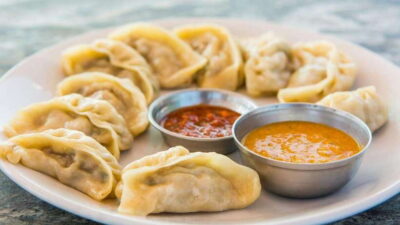
The itinerary is direct: the food during the trek is very basic. That doesn’t automatically make it bad—it just means you should plan your expectations. You’ll still get the included meals day after day, and you’ll likely want to keep things simple so your stomach stays calm.
The guidance given is to opt for the veg foods available while you’re in the trek. That’s practical advice in mountain settings where food options can be limited and where you might not want to experiment with unfamiliar flavors on high-altitude days.
Also remember what’s not included: personal snacks and drinks, and items like Wi‑Fi and battery charging. If you care about charging devices or staying connected, plan for those small purchases.
Fitness, pacing, and who should choose this trek
This trek is for people with strong physical fitness. That doesn’t mean you need to be a mountaineer, but you should be ready for long walking days, high passes, and the altitude reality that comes with both north base camp and pass crossings.
This is also a route with remote-feeling stretches and landslide-prone areas. That means your best ally is a steady pace and respect for local trail conditions. If you’re the type who tries to “make up time” every day, this circuit can punish that habit.
If you love authentic mountain life and you want fewer crowds, this suits you. If you’re chasing polished comforts and short travel days, it may feel too simple and too long.
Should you book the Kanchenjunga Circuit with Nepal Nirvana Trails?
Yes—if you want a quieter, serious trekking circuit with both north and south base camps and a support team that’s set up for real trekking days. The bundled inclusions (permits, guide, porter, tea-house lodging, domestic flights, and jeep transfers, plus most meals) make it easier to commit without building your own complicated logistics.
Hold off or ask more questions first if you’re worried about long jeep rides or you’re expecting restaurant-level meals. Also, don’t treat this as a casual walk: the plan includes multiple high passes and a glacier area day, so altitude readiness matters.
If you’re excited by a route that still feels less developed, and you like the idea of learning the mountain rather than rushing to tick a box, this is a strong match.
FAQ
Will I need to arrange permits for this trek?
The package includes all necessary trekking permits, so you do not need to arrange them separately.
What’s included in the $2,000 price?
It includes Kathmandu hotel (3-star for 3 nights with breakfast), tea-house accommodations during the trek, the guide and porter setup, trekking permits, domestic flights, private jeep transfers, first aid kit basics, and meals (breakfast, lunch, and dinner for most trekking days).
What is not included?
International flights and the Nepal entry visa are not included, and travel/health insurance covering emergency rescues and evacuations is also not included. Tips and personal expenses like snacks, drinks, Wi‑Fi, and battery charging are not included either.
How long is the trek?
The circuit runs about 19 days.
Is pickup and transportation included?
Pickup is offered. You’ll have transfers in Kathmandu and private jeep transport on the route segments, plus domestic flights between Kathmandu and Bhadrapur.
What kind of food can I expect?
The food during the trek is described as very basic. The guidance is to choose vegetarian options available during the trek.
How many people are in the group?
The trek has a maximum of 8 travelers.
What cancellation options are available?
Free cancellation is offered, with a full refund if you cancel at least 24 hours in advance of the experience start time. Less than 24 hours before start time is not refunded.