REVIEW · POKHARA
Half day Tibetan cultural tour
Book on GetYourGuide →Operated by The Tibetan Encounter Day Tours (P) Ltd · Bookable on GetYourGuide
Tibetan culture in Pokhara hits fast. This half-day Tibetan cultural tour packs a visit to a Tibetan refugee settlement, a monastery stop to read everyday Buddhist symbols, a carpet workshop, a meeting with a Tibetan doctor, and an included Tibetan lunch—all guided by Mr. Thupten Gyatso. What I like most is how personal it feels (you talk with real people, not just guides on autopilot) and how practical the learning is, especially around symbols, schools, and medicine. One thing to weigh: it’s only 4.5 hours, so it moves at a steady pace and you won’t have time for a long sit-down at every stop.
You’ll be with a small group (up to 8) and in English, starting from Lakeside with round-trip pickup. The tour is best if you want meaning, not just photos. If you’re trying to cram every single detail into one morning, you may feel a little rushed.
In This Review
- Key Highlights
- A Half-Day That Feels Like a Day: how this tour is paced
- Meet Mr. Thupten Gyatso, and why that changes the tour
- Tashiling Tibetan settlement: where the story starts
- Monastery stop: reading Buddhist symbols in real life
- Tibetan schools: learning as cultural survival
- Carpet workshop and showroom: handwork you can actually picture
- Tibetan medical center: meet a doctor and get a basic check-up
- Tibetan lunch in a local restaurant: momos and thenthuk
- Price and logistics: what you’re paying for at $61
- Who this tour suits best (and who should skip it)
- Quick tips to get the most out of your 4.5 hours
- Should you book the Tibetan cultural half-day tour from Lakeside?
- FAQ
- How long is the Tibetan cultural tour?
- Where does the tour start and end?
- Do I visit a Tibetan refugee settlement?
- What stops are included besides the settlement?
- What do I learn about Buddhist symbols?
- Is lunch included, and what food is served?
- Is the tour guide English-speaking?
- How big is the group?
- Is the tour suitable for wheelchair users or young children?
Key Highlights
- Mr. Thupten Gyatso guides you through Tibetan life in Nepal with clear, human explanations
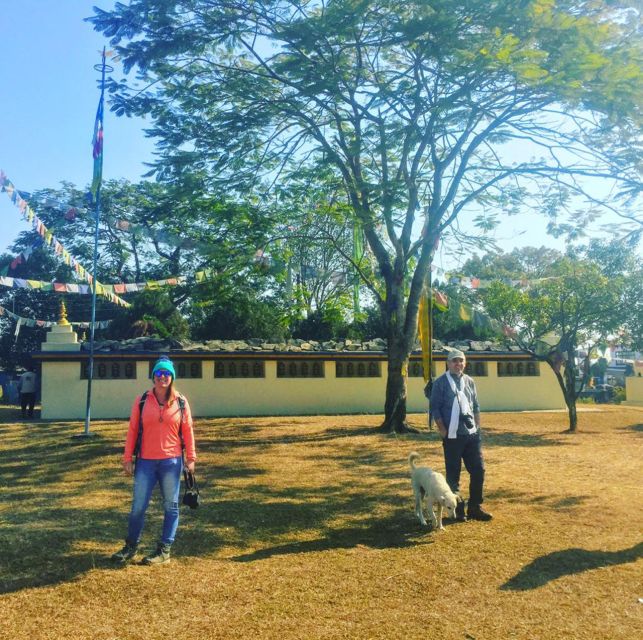
- Learn the everyday meaning of Buddhist symbols like prayer wheels, prayer flags, and stupas
- See how Tibetan schools work inside refugee settlements
- Watch handmade Tibetan carpet making at a workshop, then browse a showroom
- Visit a Tibetan medical center, meet a doctor, and experience basic medical check-ups
- Eat an included Tibetan lunch, with momos and thenthuk plus veg and non-veg options
A Half-Day That Feels Like a Day: how this tour is paced
This is a classic “cover the essentials with context” format. In about 4.5 hours, you’re not only walking through a settlement area—you’re connecting culture, education, religion, and daily life into one story.
The pace is active. You’ll do short walks, photo stops, and multiple guided segments in succession. That’s a plus if you like momentum and hate standing around. It’s a minus if you prefer slow tourism, long museum-style reading, or lots of downtime.
Price-wise, $61 per person is easier to justify than it looks at first glance. You’re getting more than one attraction: settlement visit, monastery stop for symbol meanings, school and carpet elements, a medical center visit with consultation, and an included Tibetan lunch plus drinks. The only catch: pickup/drop-off is included for Lakeside hotels, while hotels outside Lakeside usually pay an extra transport fee.
You can also read our reviews of more historical tours in Pokhara

Meet Mr. Thupten Gyatso, and why that changes the tour
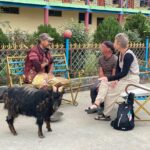
A huge part of the value here is the guide. Mr. Thupten Gyatso is Tibetan and local to the region, and he doesn’t treat the tour like a script. His role is to translate Tibetan culture into everyday language—what the symbols mean, what the school system is for, why carpet-making matters, and how traditional medicine is approached.
You also get the benefit of connecting different parts of life. For example, Buddhist symbols aren’t presented as decoration. They’re explained in terms of how people use them day to day. Schools aren’t just a building; they’re part of identity and language continuity. Medicine isn’t treated as a novelty; you’re introduced to how a Tibetan doctor thinks about treatment.
If you care about culture beyond surface sightseeing, this kind of guide-led storytelling makes the difference. And since the group is capped at 8 people, you’re more likely to get direct answers instead of being swallowed by crowd noise.
Tashiling Tibetan settlement: where the story starts
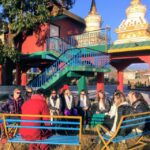
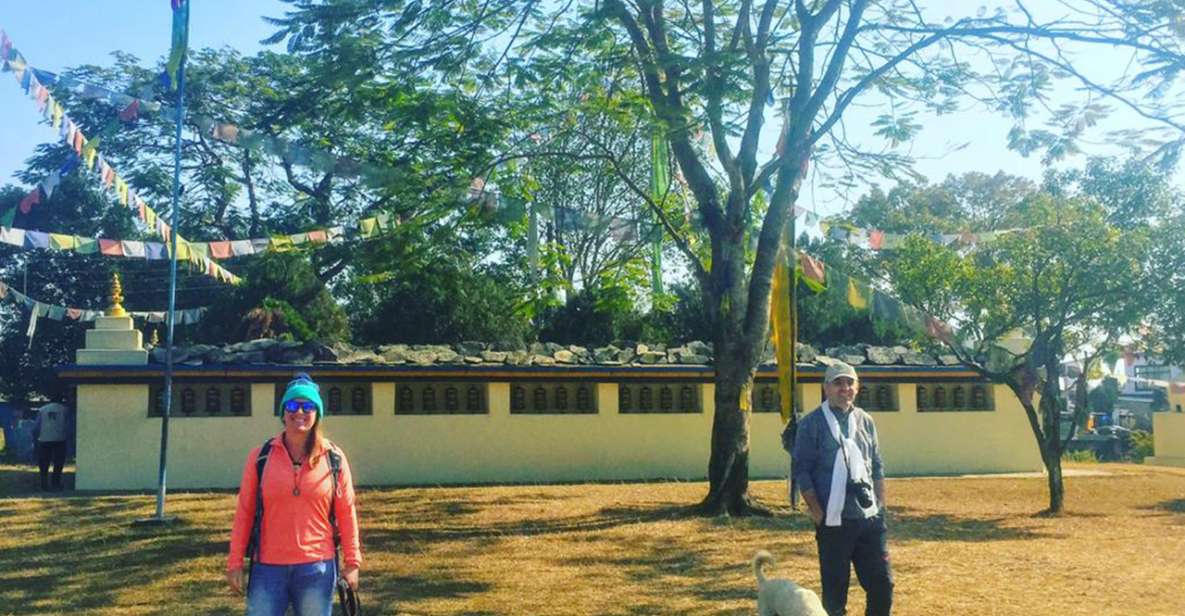
Your main stop is a Tibetan refugee settlement near the Pokhara valley (the tour focuses on one settlement experience, with Tashiling listed as the stop name). This is where you begin with orientation and a guided walkthrough of how Tibetan life continues in Nepal.
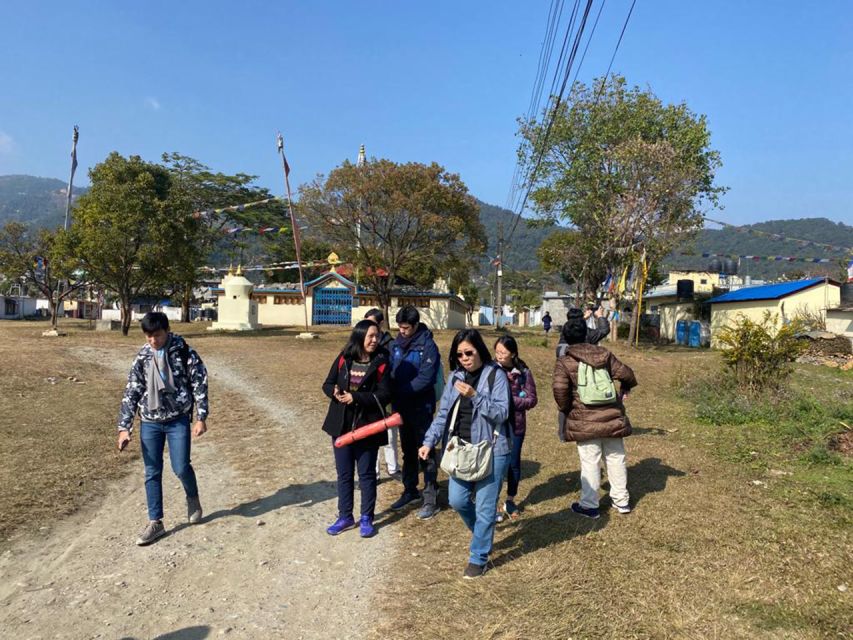
You’ll typically start with a photo stop plus a welcoming break with coffee or tea. Then comes the guided tour and walking portion—time to actually see daily details: home life around the settlement, community spaces, and how different elements connect.
What’s especially useful for you here is the way the tour frames identity and continuity. There’s a photo gallery that covers the history of Tibetan refugees arriving in the early 1960s. Those images help you understand why the settlement exists and how communities worked to keep their language, identity, and Buddhist culture alive over the long haul.
A practical tip: bring your curiosity. This stop works best when you ask simple questions like how people learn, what symbols mean, and why certain traditions are kept visible.
Monastery stop: reading Buddhist symbols in real life
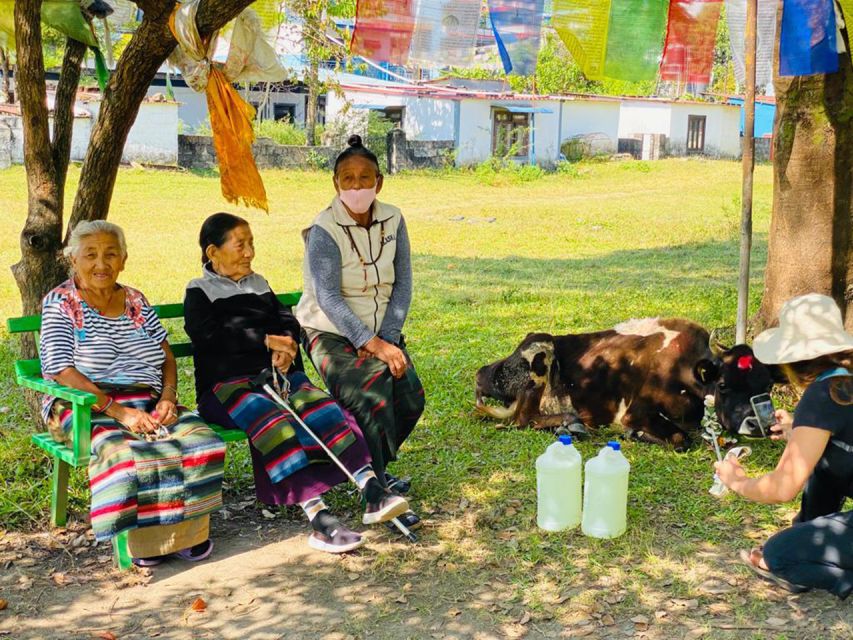
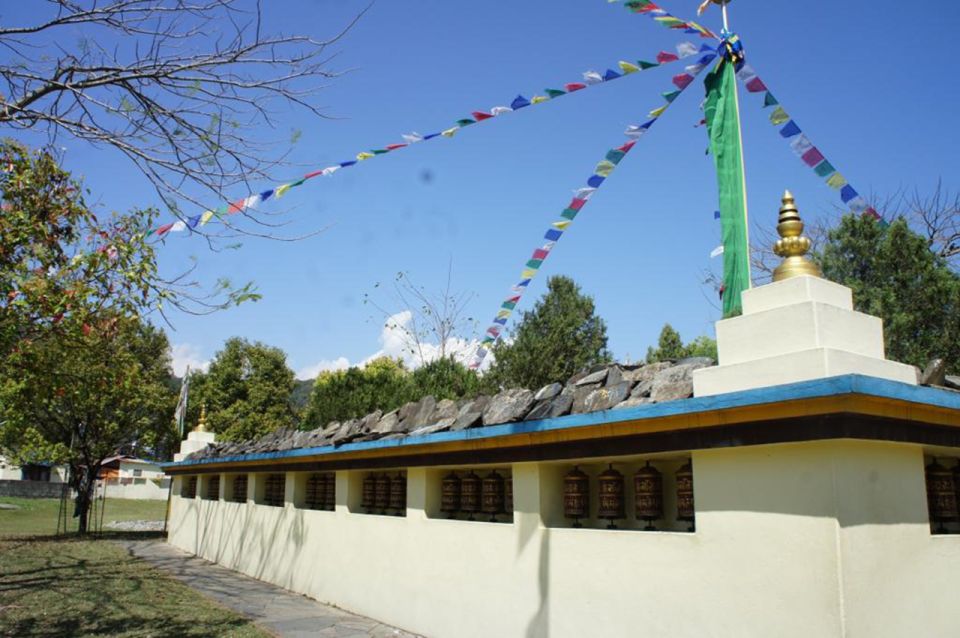
One highlight is a monastery visit focused on signs and symbols you’ll notice throughout Tibetan culture. Instead of treating them as mysterious religious artwork, the guide explains the meanings behind daily-life symbols such as prayer wheels, prayer flags, and stupas.
This is where the tour becomes more than sightseeing. You start to see how Buddhism shows up in routine actions and community spaces. It also helps you avoid the common travel mistake: taking photos of symbols without understanding what they communicate.
In practical terms, expect a guided explanation plus a chance to observe how monastery life is structured. The tour also frames what monks’ lives look like, so you can place the symbols in a real setting rather than thinking of them as distant icons.
If you’re the kind of person who likes to understand what you’re looking at—even if it’s just a prayer flag fluttering outside a building—this monastery stop will feel like the payoff of the whole morning.
Tibetan schools: learning as cultural survival
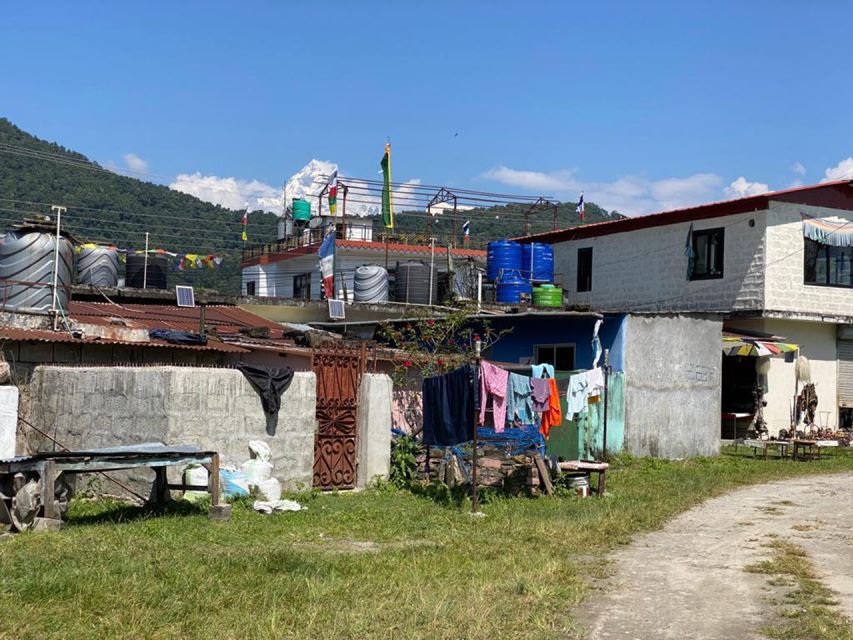
You don’t just walk by; you get insight into the Tibetan educational system inside the settlement. The tour treats schools as a key part of cultural preservation. That matters because in exile, education becomes a way to keep language, values, and identity strong for the next generation.
For you, the value here is practical understanding. You’re not only learning that Tibetan schools exist—you’re hearing why education is central to keeping a community cohesive and grounded in tradition. You’ll likely connect this to what you saw in the photo gallery about preserving language and identity since the early 1960s.
If you’ve ever wondered what happens when a community is displaced and still tries to pass things down, this part gives you a real answer. It also helps make the settlement feel like a living place, not a static exhibit.


Carpet workshop and showroom: handwork you can actually picture
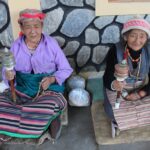
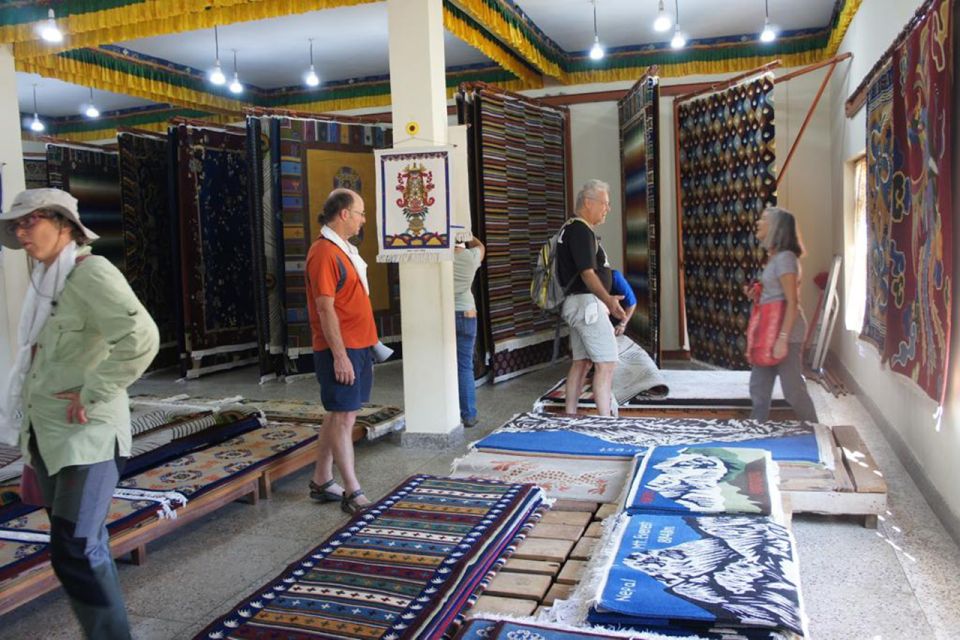
Next comes Tibetan carpets, and the tour handles this part the right way: watch the work, then see the finished designs. You’ll visit a carpet workshop where handmade carpet production is explained step by step. Even if you know nothing about weaving, you’ll come away with a clear sense of process and craft.
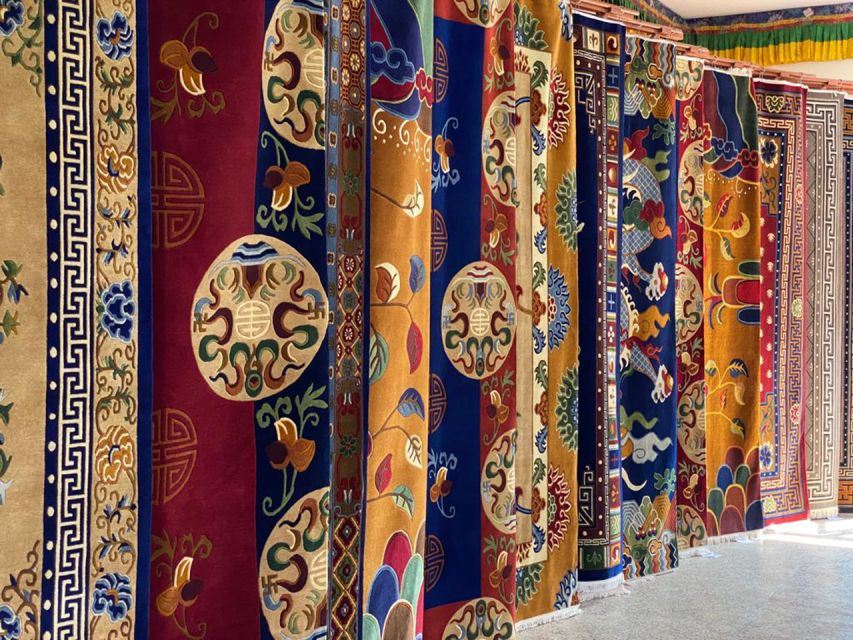
Then you move to a carpet showroom, where you can compare designs, colors, and styles. Seeing the workshop and the showroom back-to-back is smart because it connects labor to final visual results. You’ll understand what makes one style different from another, instead of just admiring patterns like they’re random decoration.
One consideration: if you’re not interested in buying, that’s okay. But plan to spend a bit of time visually comparing. The patterns and colors are the main reason most people linger. If you hate shopping-style pressure, you can still enjoy the craft-focused part, but you might want to set a personal rule like no browsing too long.
Tibetan medical center: meet a doctor and get a basic check-up
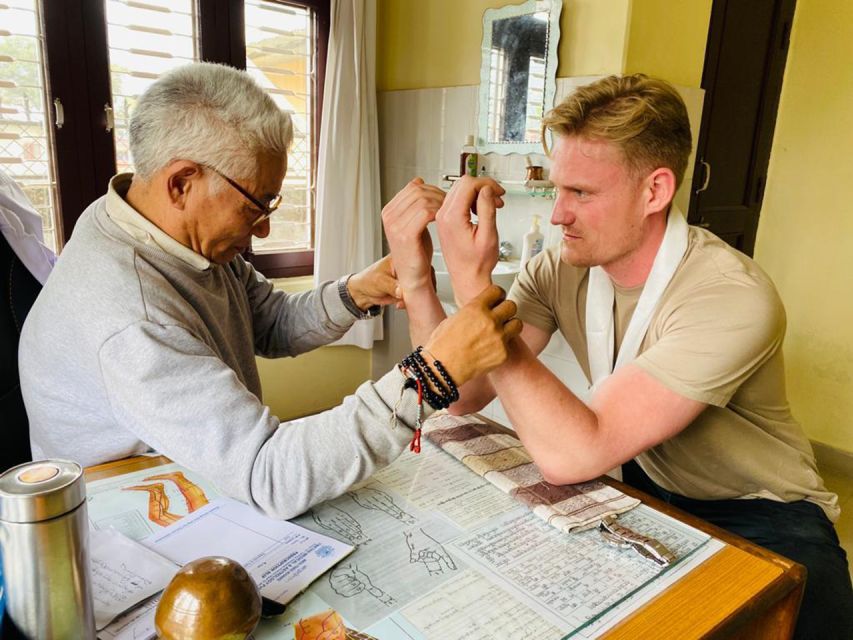
This tour includes a visit to a Tibetan medical center and a consultation with a Tibetan doctor. You’ll learn basic knowledge about Tibetan medicine and treatment, then receive first-hand experience through medical check-ups.
This is one of the most distinctive parts of the itinerary. For many visitors, medicine is an abstract topic. Here it’s practical: you’re meeting a doctor and seeing what a check-up feels like in a Tibetan context.
A good way to get more value is to come ready with simple questions. You don’t need to be medically trained. Just ask what the doctor is looking for and how the approach to treatment is structured. Even if you don’t leave with a medical diagnosis (you shouldn’t expect miracles from a half-day tour), you’ll leave with a clearer sense of how Tibetan medicine works as a system.
Also, it’s a respectful cultural exchange moment. You’re not treating the clinic like a photo stop. It’s a conversation and learning experience.
Tibetan lunch in a local restaurant: momos and thenthuk
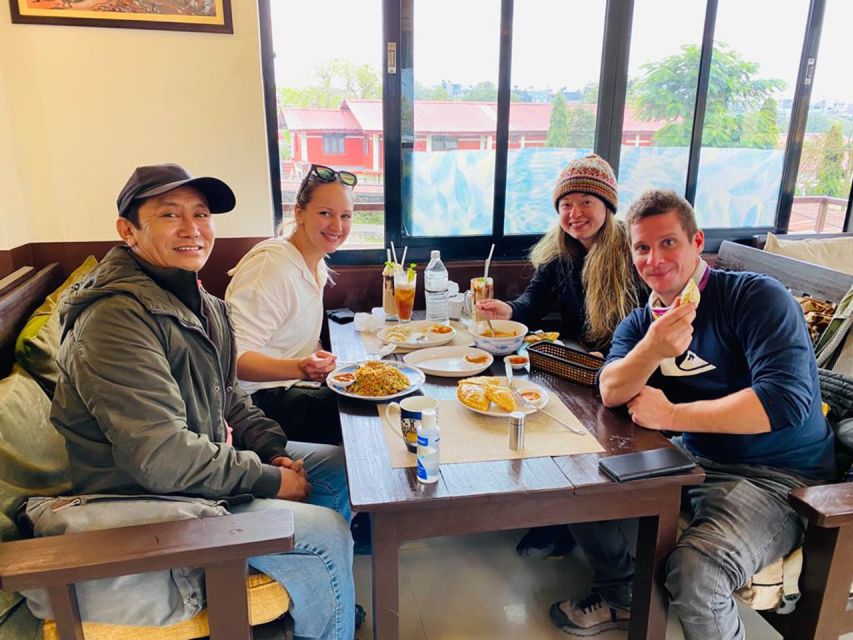
Lunch is built in, and it’s part of why the day feels satisfying instead of rushed. You’ll eat at a Tibetan restaurant, and the menu includes Tibetan momos and thenthuk, described as a nourishing soup made with freshly kneaded dough, meat, and vegetables.
You can choose vegetarian or non-vegetarian options. If you have gluten concerns, the tour also lists gluten-free food options, including plain rice and vegetable curry.
The drinks coverage is also a nice bonus: mineral water, fresh juice, and tea/coffee are included. That means you can focus on food and conversation, not hunting for a café at noon.
Practical note: thenthuk is filling. If you’re the type who likes to snack lightly before lunch, you may want to keep that in mind when scheduling other activities later in the day.
Price and logistics: what you’re paying for at $61
At $61 per person, this half-day tour offers strong value if you want multiple cultural stops packed into one route. You’re not just paying for a guide to point at buildings. You’re paying for access to:
- a Tibetan refugee settlement visit and history photo gallery
- a monastery explanation of Buddhist symbols
- Tibetan schools and the educational system
- a carpet workshop plus a showroom
- a medical center and consultation with a Tibetan doctor
- an included Tibetan lunch with drinks
Logistics are fairly simple for Lakeside-area stays. The tour provides round-trip pickup and drop-off around Lakeside, and the guide handles the timing so you can just show up.
The main cost caveat is transport outside Lakeside. If your hotel isn’t in the Lakeside area, there’s an additional transport fee depending on your hotel location. If you’re staying far out, it’s worth budgeting that extra step.
Who this tour suits best (and who should skip it)
This tour fits you if:
- you want context: symbols, schools, medicine, and daily identity
- you like meeting real people in real settings, not just passing viewpoints
- you’re happy with a small group and an active schedule
- you enjoy practical food experiences like momos and thenthuk
You might want to skip it if:
- you need a wheelchair-accessible option (the tour is not suitable for wheelchair users)
- you’re traveling with children under 5
- you prefer long, slow stays at each place rather than a packed half-day
Quick tips to get the most out of your 4.5 hours
Go with curiosity, not shopping. The carpets are interesting because you see the process first.
Bring a few thoughtful questions for the doctor and the guide. Simple questions get the best answers.
Plan your next activity carefully. By the end, you’ll likely be hungry and slightly tired from the walking plus concentration time in indoor/outdoor stops.
If you’re taking photos, watch your timing around monastery and medical spaces. Follow the guide’s cues so you stay respectful.
Should you book the Tibetan cultural half-day tour from Lakeside?
If you want a compact but meaningful look at Tibetan refugee life in Nepal, this is a strong choice. The best reason to book is the combination of stops: settlement history, Buddhist symbol explanations, Tibetan schools, carpet-making craft, and a visit to a Tibetan medical center with a doctor consultation—then finishing with a satisfying Tibetan lunch.
The only reason to hold back is the time pressure. It’s 4.5 hours, so you’re choosing a tour that moves. If that pace works for you, you’ll likely come away with more understanding than you’d get from a standard half-day of sightseeing.
FAQ
How long is the Tibetan cultural tour?
The tour lasts about 4.5 hours.
Where does the tour start and end?
Pickup and drop-off are provided around the Lakeside area in Pokhara, with return to Lakeside.
Do I visit a Tibetan refugee settlement?
Yes. You visit one Tibetan refugee settlement near the Pokhara valley (Tashiling is the listed settlement stop).
What stops are included besides the settlement?
You also visit a monastery to learn about Buddhist symbols, see Tibetan schools and their education system, visit a carpet workshop and showroom, and go to a Tibetan medical center for a doctor consultation.
What do I learn about Buddhist symbols?
You learn the meanings of symbols used in daily life, including prayer wheels, prayer flags, and stupas.
Is lunch included, and what food is served?
Yes, lunch is included at a local Tibetan restaurant. The menu highlights Tibetan momos and thenthuk, with vegetarian and non-vegetarian options. Gluten-free options are also available, including plain rice and vegetable curry.
Is the tour guide English-speaking?
Yes. The live tour guide speaks English.
How big is the group?
It’s a small group limited to 8 participants.
Is the tour suitable for wheelchair users or young children?
No. It is not suitable for wheelchair users, and it is not for children under 5 years old.