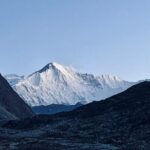
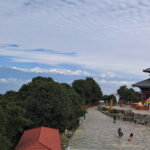
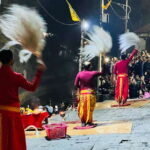
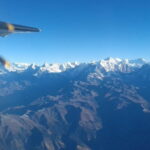
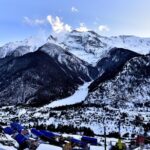
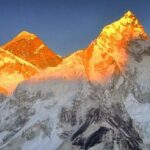
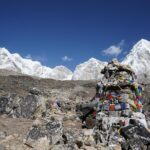
Snowy peaks start the trip story in Kathmandu. The best part is how this route strings together big Nepal highlights without making you plan every connection, from temple steps and durbar squares to sunrise viewpoints and Chitwan wildlife. One possible drawback to keep in mind: some mountain views depend on the day’s haze and weather, so you won’t always get sharp, postcard skies.
I especially like the hotel pickup and drop-off style convenience. It cuts stress on arrival and after long drives. And the guide experience seems to matter here; names like Birodh and Ravi come up often for clear explanations and helpful ways of handling the group, plus Raj as a responsive organizer for trip details.
In This Review
- Key things that make this tour work
- Value for your $990: what you’re really paying for
- Who this trip fits best (and who might feel cramped)
- Kathmandu first: getting oriented with Durbar Square and Swayambhu
- Day 2: Patan Durbar Square
- Day 2: Swayambhunath (Monkey Temple)
- Pokhara travel day: scenic drives and a reset from the city
- Sarangkot sunrise and Naudanda hike: the “work for the view” day
- Naudanda: a 3-hour plat-level path
- Devi’s Fall, boat ride, and the World Peace Stupa
- Devi’s Fall plus lake time
- Chitwan National Park: wildlife day with Tharu culture built in
- The wildlife and the cultural evening
- Day 7 in Chitwan: jungle walking, elephant moments, and the stick dance
- Back to Kathmandu with bird watching and free evening time
- Bhaktapur Durbar Square: where the details feel closer
- The final day: time to close the loop in Kathmandu
- Practical notes you’ll care about before you book
- 1) The pace is balanced, but not “sit still”
- 2) Views depend on the day
- 3) Meals are mostly handled for you
- 4) Group size stays controlled
- 5) Your guide can shape the whole experience
- Should you book Best of Nepal?
- FAQ
- What is the price of the Best of Nepal tour?
- How long is the tour?
- Is hotel pickup and drop-off included?
- Are meals included?
- What is the maximum group size?
- Do children need to be accompanied by an adult?
- What is the refund/cancellation window?
Key things that make this tour work
- Hotel/port pickup and drop-off keeps the start-to-finish flow easy.
- Most meals included (7 breakfasts, 3 lunches, 2 dinners) helps control day-to-day spending.
- Two Nepal icons in Pokhara: Sarangkot sunrise timing and a hike toward the World Peace Stupa.
- Chitwan wildlife plus Tharu culture in one stretch, not as separate day plans.
- Smaller group feel with a max of 30 travelers.
- A real heritage mix across Patan and Bhaktapur, not just one temple stop.
Value for your $990: what you’re really paying for
At $990 per person for about 10 days, the cost only feels fair if the trip does the heavy lifting for you. This one does. You’re paying for transport between regions, a local guide, and the included meals plus taxes and fees.
Here’s what that means in practical terms for you:
- You spend less time budgeting and more time moving.
- You avoid the common “Nepal planning tax” where you end up booking multiple separate tickets, guides, and private transfers.
- You get a route that covers Kathmandu Valley, Pokhara, and Chitwan in one go, so you’re not losing vacation days to extra travel.
The only obvious cost outside the package is food and drinks (not included). So if you’re the type who loves restaurant hopping, you’ll still spend money. But if you’re happy with included meals and a few smart add-ons, the package structure is set up for good value.
You can also read our reviews of more tours and experiences in Kathmandu.
Who this trip fits best (and who might feel cramped)
This tour is clearly designed to be family friendly and open to most travelers. That usually means the pace is more “see and enjoy” than “training for a summit.”
You’ll likely find it matches your style if:
- You want a guided introduction to major sights across multiple regions.
- You like sunrise viewpoints and short to moderate hikes.
- You prefer a group format but still want thoughtful organization.
You might want to think twice if:
- You hate early starts (Sarangkot is an early morning sunrise push).
- You’re sensitive to long driving days (some transfers are several hours).
- You need total independence from a schedule, since the day flow is planned.
Kathmandu first: getting oriented with Durbar Square and Swayambhu
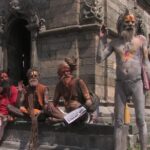
Your trip begins in Kathmandu, and that opening matters. Arriving in the valley is often overwhelming on your own. With this kind of structure, you get a fast orientation to how the city is built: temples, courtyards, and heritage squares that feel like they’ve been shaping daily life for centuries.
Day 2: Patan Durbar Square
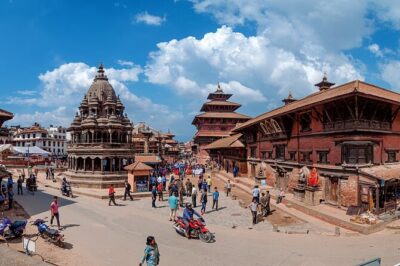
Patan Durbar Square sits in Lalitpur and is one of the three Durbar Squares in the Kathmandu Valley tied to UNESCO World Heritage status. You’ll spend a few focused hours here with admission included.
What I like about starting with Patan is that it’s not just one monument. It’s a whole cluster of crafts, stonework, and traditional Newar architecture. It’s the kind of place where a guide really helps, because the details are meaningful but not always obvious at first glance.
Day 2: Swayambhunath (Monkey Temple)
Then you head to Swayambhunath, famous as the Monkey Temple and a major Tibetan Buddhist temple outside Tibet. The admission is listed as free for this stop, and the time window is about an hour.
This is a great “big view” stop. You’ll see layers of religious life stacked on hilltop streets, plus the cheeky monkey element that never seems to go away. If you want an easy win day—heritage, atmosphere, photos—this delivers.
Pokhara travel day: scenic drives and a reset from the city
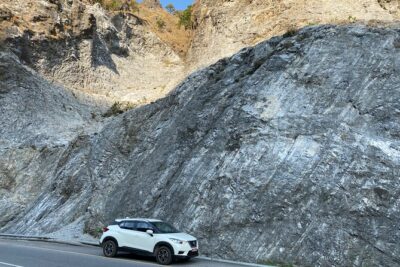
Day 3 moves you to Pokhara by car after breakfast, along the Trisuli and Marsyangdi River routes. The drive time is long enough to feel like real travel (about 7 hours), but the plan keeps it from being dead time by routing you through scenic river corridors.
Why it’s valuable: Pokhara feels like Nepal’s breathing space. When you arrive after time in Kathmandu traffic and temple crowds, the change of pace lands well. It also sets you up for the sunrise and lake days that follow.
Sarangkot sunrise and Naudanda hike: the “work for the view” day
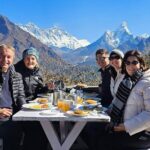
If you like morning energy, Day 4 is the one to watch. You get an early start and drive to Sarangkot for sunrise over the Himalaya.
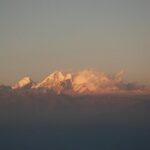
Sarangkot is listed with admission included, and the morning timing is short—about 30 minutes for the stop—so you’re not spending hours stuck waiting. You’ll be looking for close-up views of Annapurna, Fishtail, and other peaks (though again, haze can soften what you see on any given day).
Naudanda: a 3-hour plat-level path
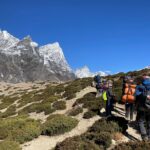
After Sarangkot, you go to Naudanda and hike for about 3 hours on a relatively level path, then drive back toward Pokhara. The hike time suggests it’s not a steep scramble, but it’s still a commitment.
This is where comfort footwear matters. Bring shoes you trust, and don’t treat it like a stroll. The reward is that you get a quieter viewpoint feeling than you would from a single lookout spot.
Devi’s Fall, boat ride, and the World Peace Stupa
Day 5 in Pokhara combines water, a short boat moment, and a climb up toward one of the area’s most recognizable viewpoints.
Devi’s Fall plus lake time
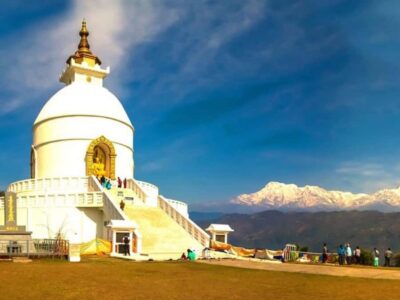
After breakfast, you take a short boat ride across Phewa Lake and then hike up toward the World Peace Stupa. Devi’s Fall has admission listed as included, and the stupa segment notes about an hour of hiking time.
What makes this day worthwhile is variety. You’re not just doing “one attraction.” You’re moving from a waterfall site to lake perspectives and then to a hilltop viewpoint where the city and water spread out below.
A quick reality check: you’ll be walking uphill for part of the day. If your knees hate stairs, plan on slower steps and breaks.
Chitwan National Park: wildlife day with Tharu culture built in
Day 6 is a major shift. You travel from Pokhara to Chitwan early, have breakfast, then drive to Chitwan National Park, check into a jungle lodge, and do an evening Tharu village tour.
The evening cultural piece matters because it gives context for the region you’re seeing. Chitwan isn’t only animals; it’s also the people whose traditions run alongside the conservation story.
The wildlife and the cultural evening
The plan includes:
- a check-in at the jungle lodge
- a Tharu village tour in the evening
That’s followed by Day 7, when the wildlife focus gets more active.
Day 7 in Chitwan: jungle walking, elephant moments, and the stick dance
Day 7 is packed. You start with jungle walking, you’ll watch elephants bathing, and you’ll visit an elephant breeding center. Later, while you’re having supper, you’ll see a Tharu cultural stick dance.
This is one of the tour’s most praised combinations, because it links animal-focused time with human culture. You’re not stuck inside a van watching distant wildlife the whole day. You’re also getting an evening performance that’s part celebration and part storytelling.
One consideration: elephant interactions can be emotional for some people. If you’re very sensitive about animal treatment, set your expectations carefully and go in informed that the day includes those scheduled elephant moments.
Back to Kathmandu with bird watching and free evening time
Day 8 takes you back to Kathmandu by car after a morning bird watching tour. The drive is listed at about 6 hours, and the evening is free after hotel check-in.
This free evening is useful. After days of temples, drives, and wildlife programming, you’ll want time to wander at your own pace. You can also use it to catch up on any small souvenir shopping or just sit down with a drink and let the day cool off.
Bhaktapur Durbar Square: where the details feel closer
On Day 9, you head to Bhaktapur for a full day tour focused on Bhaktapur Durbar Square, with admission included. Bhaktapur is especially known for dense, dramatic heritage and architecture, and the experience is timed around a typical full sightseeing block.
Why I’d put this late in the trip: by now you’ve seen enough Kathmandu Valley sites that Bhaktapur feels like a payoff. You’ll notice patterns—how craftsmen build, where religious symbolism shows up, and how historic squares are woven into everyday life.
The final day: time to close the loop in Kathmandu
Day 10 returns you to Kathmandu with a shorter finish window. The description is broad, but the intent is clear: you’ve seen multiple climates and regions, and now you wrap up the trip with a final base in Kathmandu.
This is also a good moment to think about your next Nepal move. Most people discover the big regions are just the start.
Practical notes you’ll care about before you book
1) The pace is balanced, but not “sit still”
You’ll have drives between regions, early morning timing for sunrise, and hiking segments. The tour is family friendly, but it’s still an active circuit.
2) Views depend on the day
The Himalaya sunrise is a highlight, but haze can reduce clarity. If you’re booking for peak mountain photos, keep expectations flexible.
3) Meals are mostly handled for you
Breakfast is included for 7 days, with lunch and dinner added on select days. Food and drinks aren’t included, so plan for some spending on snacks and water.
4) Group size stays controlled
With a maximum of 30 travelers, you generally avoid the worst kinds of crowd chaos. You’ll still be in a group, though, so it’s not private luxury.
5) Your guide can shape the whole experience
This tour leans on a local guide. In the feedback tied to this operator, guide names like Birodh and Ravi show up for being helpful, adjusting to the crowd, and explaining context. Even with a fixed schedule, a good guide turns “see a place” into “understand why it matters.”
Should you book Best of Nepal?
Book it if you want a guided, value-packed introduction that covers Kathmandu Valley, Pokhara, and Chitwan in about 10 days. The blend of heritage sites, lake-and-sunrise time, and wildlife plus Tharu culture is exactly the kind of combo that works well for first-timers and families.
Pass or compare if you:
- need guaranteed clear Himalayan views every day,
- want a fully independent itinerary,
- or dislike early mornings and scheduled hikes.
If your goal is to get the big Nepal hits with less planning work and more guided context, this one makes sense.
FAQ
What is the price of the Best of Nepal tour?
The price is $990.00 per person.
How long is the tour?
It’s listed as 10 days (approximately).
Is hotel pickup and drop-off included?
Yes. Hotel/port pickup and drop-off are included, and pickup is offered.
Are meals included?
Yes. Breakfast is included (7 breakfasts), along with lunch (3) and dinner (2). Food and drinks are not included.
What is the maximum group size?
The tour has a maximum of 30 travelers.
Do children need to be accompanied by an adult?
Yes. Children must be accompanied by an adult.
What is the refund/cancellation window?
You can cancel up to 6 days in advance for a full refund. If you cancel 2–6 days before, it’s a 50% refund. Within 2 days, there is no refund.