REVIEW · POKHARA
Annapurna Base Camp Trek (8 days)
Book on Viator →Operated by Nepal_first · Bookable on Viator
The trail to ABC starts in Pokhara. On an Annapurna Base Camp trek in the Annapurna Sanctuary, you get steady hiking days, tea houses with meals included, and the big payoff of sunrise views over the Himalaya. The one thing to plan for: trekking gear and porter services are not included, so you’ll need to bring what you need (or arrange help).
I really like how the logistics are handled for you. With pickup offered, private transportation, and permits taken care of (TIMS and the Annapurna Conservation Area Project), you can spend your energy on the trail instead of paperwork. And since it’s private, it’s only your group, not a cattle-car situation.
In This Review
- Key moments that make this trek worth it
- Annapurna Base Camp: Why this trek still has magic
- The big advantage: guide Madu and the stress-light plan
- How the 8-day trek actually unfolds (without the fluff)
- Trek through forested trails toward the Sanctuary
- Tea house rhythm: sleep, eat, reset
- Machhapuchare stop for a memorable peak sightline
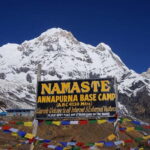
- Arrival at ABC and the sunrise payoff
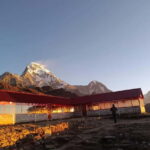
- Tea houses, food, and why meals included is a real value
- Price and logistics: is $650 fair for an ABC trek?
- What to bring: don’t get caught by the cold
- Pace, flexibility, and the reality of weather
- Who this trek suits best
- Should you book this Annapurna Base Camp trek?
- FAQ
- Where is this Annapurna Base Camp trek located?
- How long is the trek?
- Is pickup offered?
- What is included in the price?
- What permits are included?
- Are trekking gear and porter services included?
- Is this a private tour?
- Can I customize the trek or add other routes?
- What fitness level do I need?
- If weather is bad, what happens?
Key moments that make this trek worth it
- Madu as your guide: local professional with 10+ years of trekking experience from Pokhara
- ABC sunrise as the main event: expect that early-morning moment when the peaks light up
- Tea house lodging and all meals included: less decision fatigue, more focus on walking
- Machhapuchare (Fishtail) stop: a special peak sightline as you move through the region
- Fully customizable: you can shorten, lengthen, or add options like Poon Hill, the Annapurna Circuit, and Mardi Himal
Annapurna Base Camp: Why this trek still has magic
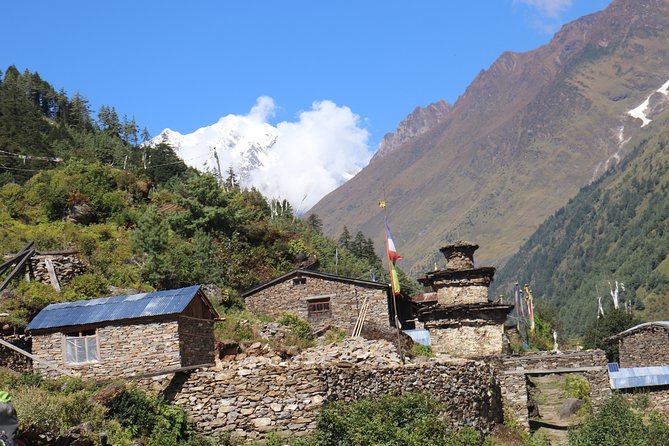
The Annapurna Base Camp trek is popular for a reason, but it doesn’t feel like a theme park when you’re actually on the route. One day you’re walking through forested paths and jungle-like trails, and the next you’re seeing how quickly the scenery changes as the mountains get closer.
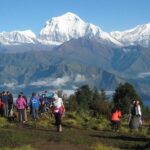
Your best reason to do it is simple: Annapurna Base Camp sits in the Annapurna Sanctuary, a bowl of peaks that frames big views without needing special gadgets. If you like the idea of pairing serious scenery with everyday life, this trip also gives you a chance to experience local tea houses, local foods, and the rhythm of mountain communities along the way.
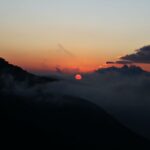
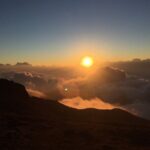
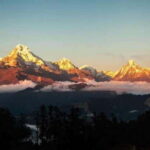
And then there’s the moment you’re really paying for: sunrise cresting over the Himalayan peaks from ABC. Even if you’re not a sunrise person, the sheer clarity of that payoff tends to convert people fast.
You can also read our reviews of more hiking tours in Pokhara
The big advantage: guide Madu and the stress-light plan
I like that your trek is led by Madu, a local professional guide from Pokhara with over 10 years of experience. That matters because ABC isn’t just about willpower. It’s about pacing, trail sense, and knowing how to keep the day smooth when weather shifts or plans need adjusting.
Madu also frames more than just walking. The experience is described as time to learn about surrounding nature and the lifestyle, food, and culture of Gurung people. On a trek like this, that kind of context is what turns a photo trip into something more memorable.
The other advantage is logistics support that removes common friction points. Permits are included (TIMS and Annapurna Conservation Area Project), and private transportation is included too. Since pickup is offered, you’re less likely to start the trek feeling scrambled.
How the 8-day trek actually unfolds (without the fluff)
This is an 8-day trek, though it’s also described as fully customizable. The core arc is consistent: you trek through the Annapurna Sanctuary area toward Annapurna Base Camp, spending your days moving along mountain trails and waking up in different tea houses.
Here’s what you can realistically expect from the structure, based on what’s included and what’s emphasized:
Trek through forested trails toward the Sanctuary
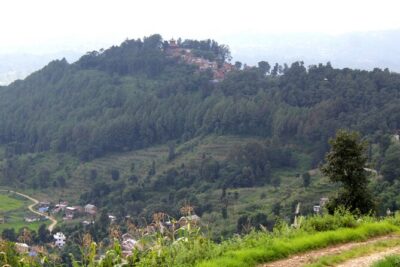
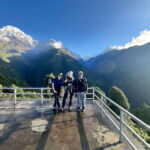
Early on, the trail tends to feel more sheltered and green compared with the higher zones you’ll reach later. You’ll be walking through jungles/forest areas and along mountain routes that give you that classic “gradual reveal” feeling—peaks come into view in stages rather than all at once.
This phase is where pacing matters. If you try to win every climb, you’ll spend the next day paying for it. A guide helps you keep a steady effort, especially when the temperature and footing start changing.
Tea house rhythm: sleep, eat, reset
Tea houses are part of the experience by design, and lodging during the trek is included. You’ll also get all meals during the trek, which is a practical win. On long hiking days, it’s one less thing you have to negotiate.
The tea-house setup also makes the experience social in a natural way. You’ll often share meals and conversation time with other trekkers, and that’s where you hear about the weather up the trail, the pacing people are using, and what they wish they’d packed.


Machhapuchare stop for a memorable peak sightline
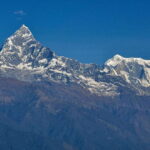
The itinerary includes a stop at Machhapuchare. That’s the famous Fishtail peak, and it’s one of those mountains that looks unreal even when you’re looking at it through mist or partial clouds.
When you’re deep in the Annapurna region, Machhapuchare helps “anchor” your sense of place. It’s a visual marker that makes the route feel more connected to the big geography instead of just being a line on a map.
Arrival at ABC and the sunrise payoff
Once you reach Annapurna Base Camp, the focus shifts from walking miles to absorbing the view. The trek highlights sunrise from ABC, so you should expect early-morning movement or at least an early start timed to catch the light.
This is also where weather really matters. In clear conditions, the peaks can look sharp and bright. In worse conditions, visibility can drop and you’ll have a slower, cloudier experience—still beautiful, but different.
Tea houses, food, and why meals included is a real value
Food choices on treks can turn into a daily mini-project if you’re paying out of pocket and deciding where to eat under pressure. Here, all meals are included, and tea house lodging during the trek is included too. That’s not a small detail—it changes how relaxed your days feel.
Meal inclusion also helps with budgeting. At higher altitudes, prices can jump, and you’re walking all day, so hunger is not optional. Having meals covered lets you spend money on the few things that actually matter: extra warm layers, basic trekking supplies, or a buffer if you need to swap plans because weather shifts.
Food in tea houses is usually simple and filling. If you have dietary restrictions, you should ask in advance what’s realistic on the route. The tour description doesn’t spell out special diets, so treat this as a “confirm specifics” situation, not a guarantee.
Price and logistics: is $650 fair for an ABC trek?
$650 per person for an 8-day Annapurna Base Camp trek sounds like a bargain to some people—and a reasonable value to others—depending on what’s included. Here, the included items are the key:
- Permits (TIMS and Annapurna Conservation Area Project)
- Tea house lodging during the trek
- All meals during the trek
- Private transportation
- Pickup offered
Then there are the big exclusions:
- All fees and taxes beyond what’s explicitly included
- Personal expenses
- Trekking gear (you bring it)
- Porter services (you arrange if you want one)
If you’re the kind of traveler who already owns decent hiking shoes, layers, a sleeping liner if you use one, and a basic first-aid kit, this price can feel very efficient. If you need to buy gear from scratch, the real cost climbs fast—especially if you’re buying in a place where options might be limited.
One more practical note: this trek is often booked around 32 days in advance on average. That’s a clue that the dates can move, especially in more popular seasons. If you have a narrow window, it’s smart to book earlier instead of waiting for a last-minute deal.
What to bring: don’t get caught by the cold
The trek is described as requiring moderate physical fitness, and the route includes cold mountain conditions at least some times of year. One personal reality from the experience is that December can be cold up high—though clear, sunny weather can also happen.
So I’d plan for cold mornings and chilly evenings, plus changing temperatures during the day. Your guide can help you time breaks and manage effort, but you’re the one wearing the layers.
You should also plan around the fact that trekking gear is not included. That means you’ll want:
- Hiking footwear with real grip
- Warm layers you can add/remove as the temperature shifts
- A rain layer or shell for weather swings
- Headwear for sun and cold
- Basic personal meds and blister care
- A daypack that’s comfortable for long walking hours
If you’re considering hiring a porter, the tour data says porter services are not included. You can still arrange it, but treat it as an add-on decision, not something baked into the $650.
Pace, flexibility, and the reality of weather
ABC is weather-dependent. The tour experience includes a note that it requires good weather, and if it’s canceled because of poor weather, you’ll be offered a different date or a full refund.
Even when the trek runs, the pace can vary. One thing to keep in mind is that the listed duration is approximate, and some groups may reach the key points faster than expected. That can be great if you’re fit and the conditions are right, but if you’re planning around a strict schedule back in your home country, you should build in slack.
Your best strategy is to trust the guide’s pacing and be ready to adjust. On mountains, the timetable is never as obedient as your calendar app.
Who this trek suits best
This ABC trek fits best if you:
- Want a guided experience with permits and logistics handled for you
- Prefer tea house lodging over camping
- Like learning about local life while you trek, not just collecting views
- Have moderate hiking fitness and can handle a multi-day hike in altitude conditions
It’s especially useful for first-timers because it reduces the decision load. When you’re choosing nothing besides your layers and your pace, you’re free to enjoy the walking.
If you’re an ultra-planner who needs exact day-by-day checkpoints and strict timing guarantees, this may feel a little too flexible. The trek is customizable, and weather can change how your days play out.
Should you book this Annapurna Base Camp trek?
Yes, if you want a well-supported ABC experience centered on sunrise views, tea house comfort, and a local guide like Madu who brings years of trail experience from Pokhara. The value is strong when you already have your gear and you’re comfortable handling your own comfort details like layers and small personal expenses.
I wouldn’t book it if you’re expecting a fully turnkey package where someone carries your equipment and supplies everything. Trekking gear and porter services aren’t included, so you’ll want to plan that part early.
If your main goal is the Annapurna Sanctuary-to-ABC journey—with Machhapuchare/Fishtail in the mix and the Gurung cultural context along the way—this is a solid, practical choice.
FAQ
Where is this Annapurna Base Camp trek located?
The trek is based in Pokhara, Nepal.
How long is the trek?
The duration is listed as 8 days (approx.).
Is pickup offered?
Yes, pickup is offered.
What is included in the price?
The tour includes private transportation, permits (TIMS and Annapurna Conservation Area Project), tea house lodging during the trek, and all meals during the trek.
What permits are included?
The included permits are TIMS and the Annapurna Conservation Area Project permit.
Are trekking gear and porter services included?
No. Trekking gear and porter services are not included.
Is this a private tour?
Yes. It’s described as a private tour/activity, and only your group participates.
Can I customize the trek or add other routes?
Yes. The trek is described as fully customizable, including options to trek shorter or longer or add places like Poon Hill, the Annapurna Circuit, and/or Mardi Himal.
What fitness level do I need?
You should have a moderate physical fitness level.
If weather is bad, what happens?
The experience requires good weather. If it’s canceled due to poor weather, you’ll be offered a different date or a full refund. You can also cancel up to 24 hours in advance for a full refund.