REVIEW · KATHMANDU
3 Days Chisapani Nagarkot Trek
Book on Viator →Operated by himalayan sanctuary adventure private limited · Bookable on Viator
Nagarkot sunrise turns a hike into something special. The Chisapani to Nagarkot route is a classic valley-to-ridge trek with forest walking, village views, and a temple stop that makes the whole trip feel more complete.
I especially liked the setup with all meals included on the trail and the fact you’ll hike with an English-speaking trekking guide plus porters for your luggage. Past feedback also calls out guides such as Ganesh and Bishnu Bhatta for keeping the day smooth and confidence high.
One thing to think about: you’re still walking 4–7 hours most days, so you’ll want a steady pace and basic trekking readiness, not a casual stroll.
In This Review
- Key things to know before you go
- Why this 3-day Chisapani Nagarkot trek is a smart taste of Nepal
- Kathmandu to Sundarijal: the morning drive that sets the tone
- Day 1: Sundarijal to Chisapani (2115m) and your first big panoramic moment
- Day 2: Chisapani to Nagarkot (2195m) through forest, villages, and terrace views
- Day 3: sunrise at Nagarkot, then Changunarayan temple and Bhaktapur Durbar Square
- Meals, guide, porter, and permits: what you get without thinking
- Value at $320: where this price feels fair (and where it might not)
- Who this trek fits best, and who should adjust expectations
- Practical tips so your hike feels easier
- Should you book the Chisapani Nagarkot 3-day trek?
- FAQ
- What is the itinerary for the 3 days?
- How long is the trek each day?
- Are meals included during the hike?
- Will I have an English-speaking guide and porter?
- Does the price include transportation and sightseeing stops?
- What start time is used for the trek?
- Can I get a full refund if I cancel?
Key things to know before you go
- Private trek for your group: you’re not sharing the trail with random strangers.
- Meals are handled: lunch and dinner on hiking days are included, so you hike with fewer decisions.
- Porter support: your luggage is carried, with porter help sized at 1 for 2 trekkers.
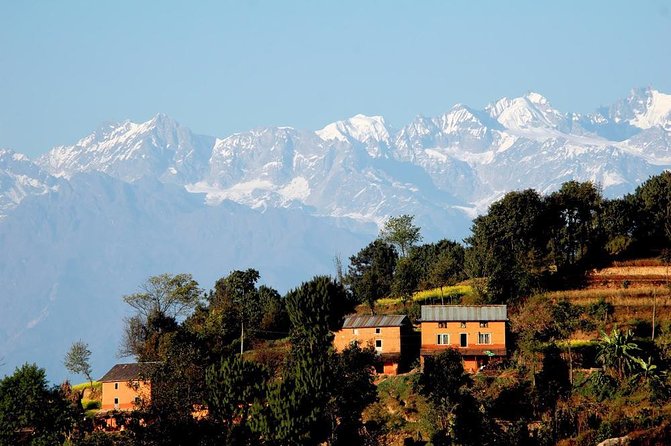
- Forest + birdwatching zone on Day 1: the route starts near Shivapuri National Park.
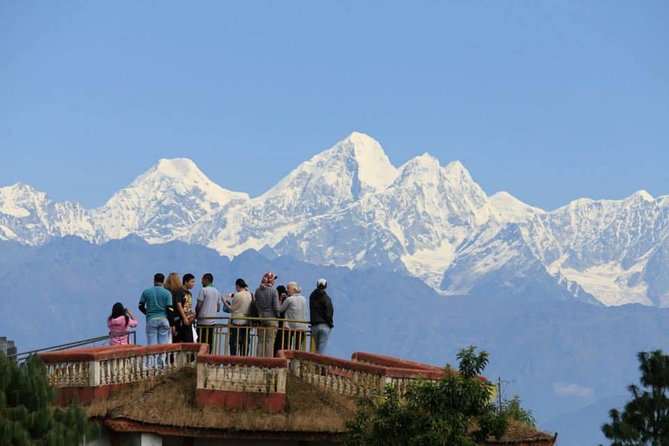
- Big viewpoint payoff: Nagarkot gives Himalayan panorama and both sunset and sunrise timing.
- Temple and heritage add-on: Changunarayan (UNESCO-listed) plus Bhaktapur Durbar Square on the way back.
Why this 3-day Chisapani Nagarkot trek is a smart taste of Nepal
If you want Himalaya views but don’t want a week of logistics, this itinerary hits a sweet spot. You’re not stuck with just one thing: you get forest walking on day one, cultural village trails and terraces on day two, and then sunrise plus UNESCO heritage on day three.
The route also makes sense for first-timers. Starting from Sundarijal and heading toward Chisapani gradually warms you up before you climb into Nagarkot’s viewpoint zone. The pacing is built for comfort rather than suffering, with an English-speaking guide leading the line and a porter helping with luggage.
The real payoff is timing. Day two sets you up for sunset at Nagarkot, while day three begins with early morning sunrise. If the skies cooperate, you’ll see a wide stretch of the Himalayan range, not just one peak.
You can also read our reviews of more hiking tours in Kathmandu
Kathmandu to Sundarijal: the morning drive that sets the tone
Your day starts with a scheduled pickup and a departure timing of 7:45 am. Then you ride from Kathmandu toward Sundarijal, where the trek begins. The drive takes about an hour, and you get out of the city before the day gets too hot and heavy.
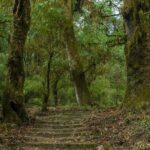
This matters because the first hiking push is easier when you’ve already left traffic and noise behind. You’ll start uphill on a trail through pine and oak forest, and you’ll be in the Shivapuripuri National Park area—good conditions for birdwatching and wildlife spotting if you’re lucky.
What I like here is that the day doesn’t instantly demand big climbs. You build steadily. You also get a calmer pace early on, when your energy is still fresh and your attention is naturally sharp for sounds like birds chirping and the quiet rhythm of the forest trail.
Practical consideration: forest trails can feel damp or slippery after mist or rain. You don’t need technical gear, but you do need decent footwear with grip.
Day 1: Sundarijal to Chisapani (2115m) and your first big panoramic moment
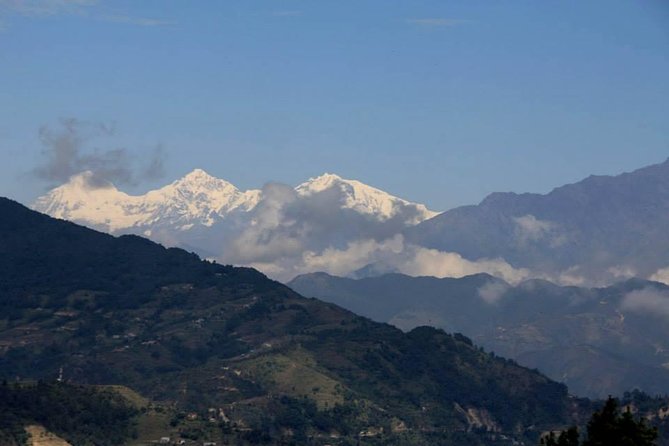
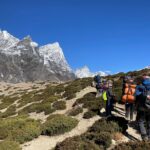
Day one walks you from the Sundarijal trailhead to Chisapani (2115m). Expect roughly 4–5 hours of walking, though the trek can stretch closer to 5–6 hours depending on pace and trail conditions. Either way, it’s a solid first day that feels like warm-up hiking rather than an all-out test.
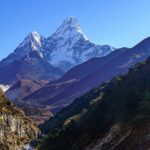
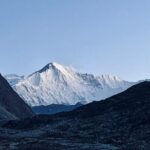
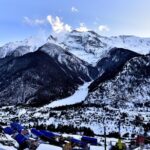
As you go higher, you’ll switch from tree cover to moments where you can look out across the valley. From Chisapani you can enjoy panoramic views of the Himalayas and the valley, which is exactly the kind of payoff that makes the first day feel worth it.
You overnight at a lodge. Lunch and dinner are included on this hiking day, so you don’t have to track meals or search for food options mid-trek. That sounds small, but it’s a real quality-of-life win in Nepal trekking.
Another thoughtful detail: Chisapani is also described as a place connected with the Sherpa ethnic group. Even if you don’t spend hours doing a deep cultural lesson, you’ll feel the area’s local rhythm—small settlements, daily movement, and a landscape that’s lived in, not staged for tourists.
Day 2: Chisapani to Nagarkot (2195m) through forest, villages, and terrace views
Day two is the long one: 6–7 hours of walking from Chisapani to Nagarkot (2195m). After breakfast at the lodge, you begin on forest paths for about 2–3 hours, and the trail’s sounds and nature cues get more noticeable as you move away from the higher lodge area and deeper into the route.
Then comes lunch at Chauki Bhanjyang, after stopping around Jhule and Chauki Bhanjyang. The plan suggests lunch takes about 3 hours of travel time before you settle down, which means you’ll likely reach the lunch point gradually rather than all at once. It’s built like that so you don’t fry yourself early.
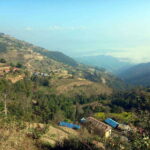
From lunch, you continue to Nagarkot passing through villages and terraced fields. This is where the trek shifts from forest calm to human-scale scenery. You’ll see village life-style and farming patterns tied to the slopes—small, steady, and very real.
Finally, the last push climbs from Kattike Bhanjyang into Nagarkot. This is the part you’ll remember for two reasons: the view opens and the evening timing is set for sunset. Nagarkot is famous for the wide Himalayan panorama when the air is clear.
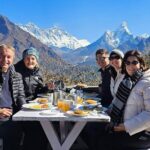
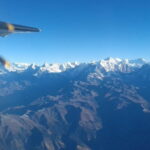
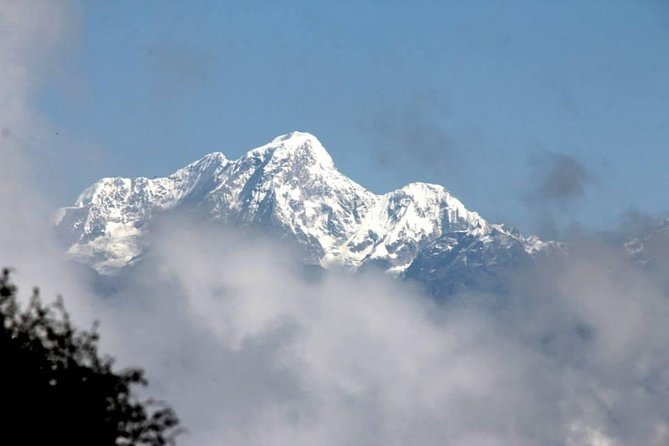
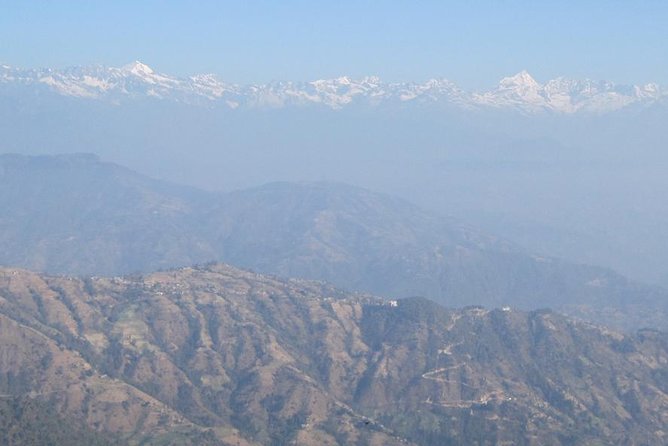
The itinerary specifically calls out views that can stretch from Annapurna and Langtang to Everest, and it also describes the Himalayan range stretching broadly from Dhaulagiri to Kanchenjunga. Real talk: you’re not guaranteed to see every range detail every day. But you can count on the viewpoint being worth it, because the trail is designed to deliver you to the right high ground at the right time.
You overnight at a hotel in Nagarkot. Breakfast, lunch, and dinner are included on this day, so you can settle without hunting.
Day 3: sunrise at Nagarkot, then Changunarayan temple and Bhaktapur Durbar Square
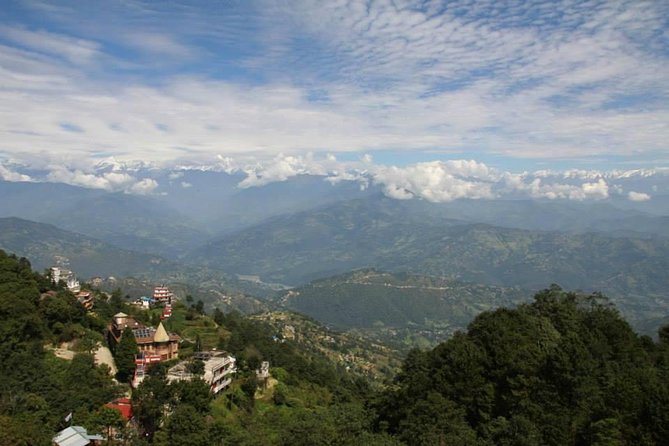
Day three begins with an early morning sunrise plan. The description makes it clear that Nagarkot sits on top of the hill, so morning light helps you see the Himalayan panorama through the valley.
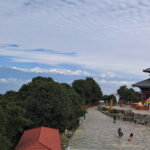
After sunrise and breakfast, the hike continues, but it’s not just about walking. You head down toward Telkot, then ascend a small hill to Changunarayan Temple. This temple is described as very old, artistic, and listed as a UNESCO world heritage site. Even without doing a long guided lecture, it’s a great payoff: trekking feet, then a dose of cultural architecture.
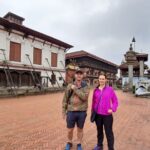
From Changunarayan, you visit Bhaktapur Durbar Square on the way back. That’s a smart move because it gives your trip a Kathmandu Valley “history anchor” without turning the whole day into a museum sprint. Then you take a car back to Kathmandu and drop off at your hotel.
You’ll have breakfast and lunch included on day three (dinner isn’t listed for the trek portion). Entrance fees for sightseeing aren’t included, so if you’re planning to go inside specific areas, budget for tickets on the spot when needed.
You can also read our reviews of more tours and experiences in Kathmandu
Meals, guide, porter, and permits: what you get without thinking
This trek is built around fewer decisions for you. The big win is that all meals while you’re hiking are provided. That includes lunch and dinner on day one, and breakfast/lunch/dinner across days two and three per the itinerary notes. You’ll also have accommodation for the guide included during the trek, which matters because it supports a stable, reliable operation.
You travel with an English-speaking trekking guide, and you’ll also have porters to help with luggage. The plan specifies 1 porter for every 2 trekkers. For most people, that means you’re carrying a daypack with essentials, while the heavier stuff moves with porter support.
You’ll also receive the national park permit as part of the included items. Permits can sound boring until you’re the one chasing paperwork while everyone else has already started walking. Here, that’s handled.
What’s not included is also clear, and it’s important for your budgeting:
- meals in Kathmandu
- entrance fees for sightseeing
- Nepal travel insurance
- Nepal entry visa fee (it says you can issue the visa upon arrival at Tribhuvan International Airport)
- personal expenses like drinks, laundry, and tips
So, you’re covered on the trail experience, but you still need to budget for the Kathmandu side and any entrance tickets.
Value at $320: where this price feels fair (and where it might not)
At $320 per person for a 3-day trek, you’re paying for a packaged experience with real labor behind it: private transportation to and from the trail start/end, an English-speaking guide, porter help, meals, lodging at least on trek nights, and a national park permit. You’re also getting Bhaktapur Durbar Square included on the return.
This price starts to feel reasonable if you compare it to what solo trekking can cost when you hire separate parts—guide, porter, permits, and logistics. It also helps that the itinerary is private for just your group, not mixed with other parties. Private doesn’t automatically mean better, but it often means smoother timing and less awkward pacing.
Where value can depend on you is in extras. Entrance fees for sightseeing aren’t included, and Kathmandu meals aren’t included. If you plan to add paid attractions beyond what’s listed, your final spend will rise. Also, tips aren’t included. That’s common in Nepal, but it’s still part of your real total.
If you want a straightforward Himalayan trek that’s organized enough to let you focus on walking and views, this price aligns with that style.
Who this trek fits best, and who should adjust expectations
This trek is listed as suitable for most travelers, and the “most” matters. You’re looking at steep moments and multi-hour hikes. Day one is a manageable first push. Day two is longer, and day three adds a temple walk on top of morning sunrise time.
You’ll likely enjoy it if:
- you want a short trek with a viewpoint payoff
- you like the idea of forest plus villages rather than one scenery type
- you prefer a guide-led route with porter support
- you want heritage stops (Changunarayan and Bhaktapur)
You might want to reconsider if:
- you want a very light hiking day with minimal climbing
- you dislike early starts (sunrise at Nagarkot means you’ll be up early)
Good news: the structure supports different confidence levels because the guide is leading and your luggage is carried. And from the names that show up in guide praise like Ganesh and Bishnu Bhatta, it’s clear the human factor is a big part of why people feel cared for.
Practical tips so your hike feels easier
Here’s how to make this trek go smoother without turning it into a big production.
- Pack for layers: mountain days can swing in temperature. Bring a light warm layer for early morning sunrise.
- Keep your daypack light: since porters carry your luggage, you only need essentials in your hands and on your shoulders.
- Bring water discipline: you’ll have breaks for lunch, but you still want steady hydration through the longer day two.
- Plan your camera timing around views: Nagarkot is where you’ll want patience for sunrise and sunset, and the last climb on day two is when the panorama starts to open.
- Don’t overpack your expectations about seeing every peak: the itinerary describes very broad Himalayan visibility, but weather is weather. You’re still going to get the experience even when the view is partial.
Should you book the Chisapani Nagarkot 3-day trek?
Book it if you want a well-rounded Nepal taste in a short time: forest walking, village scenery, Nagarkot sunrise/sunset, and cultural stops at Changunarayan and Bhaktapur. It’s a good value package because the trail meals, permits, guide, and porter support are handled for you.
Pass or switch to something else if you’re looking for an easy flat walk, or if you don’t want early mornings. This trek is short, but it’s still trekking.
If your goal is: hike, breathe clean mountain air, and come away with real Himalayan viewpoint memories, this one delivers.
FAQ
What is the itinerary for the 3 days?
Day 1 drives from Kathmandu to Sundarijal and then treks to Chisapani (2115m). Day 2 treks from Chisapani to Nagarkot (2195m) and includes lunch at Chauki Bhanjyang. Day 3 walks from Nagarkot to Changunarayan Temple, then visits Bhaktapur Durbar Square and returns by car to Kathmandu.
How long is the trek each day?
Day 1 is about 4–5 hours of walking (with route descriptions also mentioning around 5–6 hours). Day 2 is about 6–7 hours walking. Day 3 is a downhill walk toward Telkot and then a small ascent to reach Changunarayan, followed by the return to Kathmandu by car.
Are meals included during the hike?
Yes. The tour includes all meals while you are hiking, including lunch and dinner on day 1, and breakfast, lunch, and dinner on day 2. Day 3 includes breakfast and lunch.
Will I have an English-speaking guide and porter?
Yes. An English-speaking trekking guide leads the way, and a porter is provided to help carry luggage (noted as 1 porter for 2 trekkers).
Does the price include transportation and sightseeing stops?
Transportation is included from Kathmandu to the trekking start point and from the end point back to Kathmandu. Bhaktapur Durbar Square sightseeing is included on the way back, while entrance fees for sightseeing are not included.
What start time is used for the trek?
The meeting point lists a start time of 7:45 am.
Can I get a full refund if I cancel?
Yes, you can cancel up to 24 hours in advance for a full refund, based on the experience’s local time.