REVIEW · POKHARA
Pokhara: Horseback Adventure
Book on GetYourGuide →Operated by Linkage Tour & Travel · Bookable on GetYourGuide
One quiet ride can reset your whole trip. In Pokhara, this horseback adventure pairs forest paths and Fewa Lake views for a simple, scenic outing that feels very Nepal. I like that the horses are trained for different rider levels, and I also like how guides actually help you reach the best viewpoints. One possible drawback: while safety gear is listed, one recent rider said there were no helmets, so it’s smart to ask before you mount up.
The setup is straightforward: hotel pickup in Pokhara’s lakeside area, an English-speaking guide, then about 2.5 hours of riding on peaceful routes with lake panoramas. Sarah Anne even mentioned guide Bhandip walking alongside her and her horse, Sila, up and down the slope for better views—exactly the kind of practical support that makes a horseback tour feel safe instead of stressful. If you’re expecting a long, dramatic trek or a full-day nature hike, this one stays in the “quick adventure” lane.
If you want an outdoor break that’s scenic but not complicated, this can be great value—especially at $36 for 2.5 hours with pickup included. Just keep your expectations honest about what’s covered, what isn’t (no food), and double-check head protection.
In This Review
- Key highlights I’d prioritize
- Pokhara from the saddle: why this ride feels special
- The 2.5-hour experience: what happens from pickup to return
- Hotel pickup in Pokhara’s lakeside area
- Meet your guide and horse
- Riding through forest shade
- Paths that hug the water and reveal Fewa Lake views
- Possible uphill moments and guide support
- Return ride and drop-off
- Value for $36: what you’re really paying for
- Guides and horses: the parts that can make or break it
- Horses for beginners (and the realistic limits)
- Helmet question: ask before the tour starts
- What to bring (so the ride feels easy)
- Who this horseback ride suits best
- Tips to get better views without adding stress
- Should you book Pokhara Horseback Adventure?
Key highlights I’d prioritize
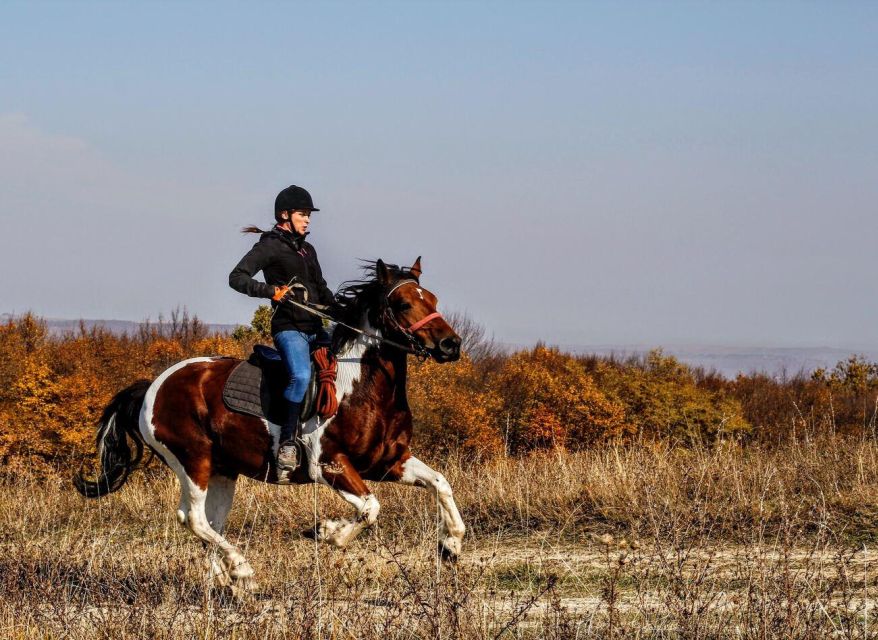
- Forest shade + lake views: You don’t just ride in one direction; you get shifting scenery as the path changes.
- English-speaking guidance that pays off: A guide who helps with uphill/downhill moments makes the whole ride easier.
- Trained horses for mixed skill levels: This matters if you’re rusty or brand-new to riding.
- 2.5 hours that fits real travel days: Short enough to slot into a Pokhara itinerary without burning the morning.
- Pickup from lakeside hotels: Less time navigating, more time on the route.
- Safety gear is included, but helmets may be inconsistent: Ask ahead so there are no surprises at the start.
Pokhara from the saddle: why this ride feels special
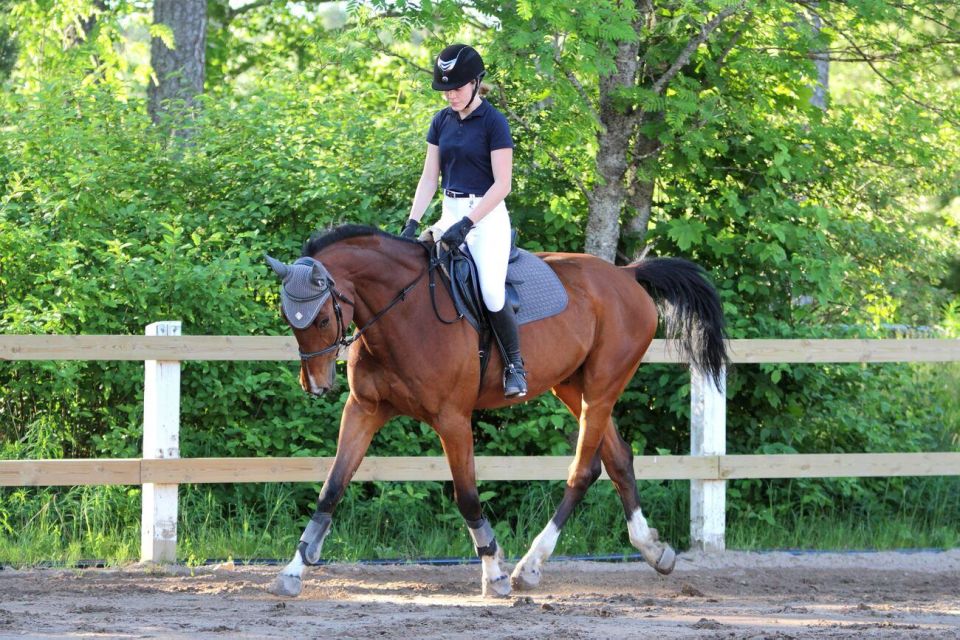
Pokhara is famous for water views, but most sightseeing is on foot or by boat. This tour gives you a third option: ride. There’s something naturally calming about moving at a horse’s pace through trees, then catching glimpses of the lake as the path opens.
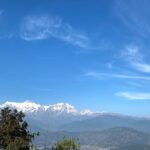
What I like most is the mix of “soft scenery” and “useful views.” You get the gentle rhythm of hoofbeats under dappled light in forest stretches, then the route turns more outward so you can enjoy those wide Fewa Lake panoramas. For many people, that’s the sweet spot: enough scenery to feel like you escaped the city, without the fatigue of a full-day trek.
The guides also sound like a key part of the value. In one booking, the guide Bhandip was described as helpful and physically walking alongside riders (and even assisting with uphill/downhill sections) to reach breathtaking angles. That matters because horseback riding isn’t only about steering—it’s also about comfort and confidence when the terrain changes.
You can also read our reviews of more tours and experiences in Pokhara
The 2.5-hour experience: what happens from pickup to return
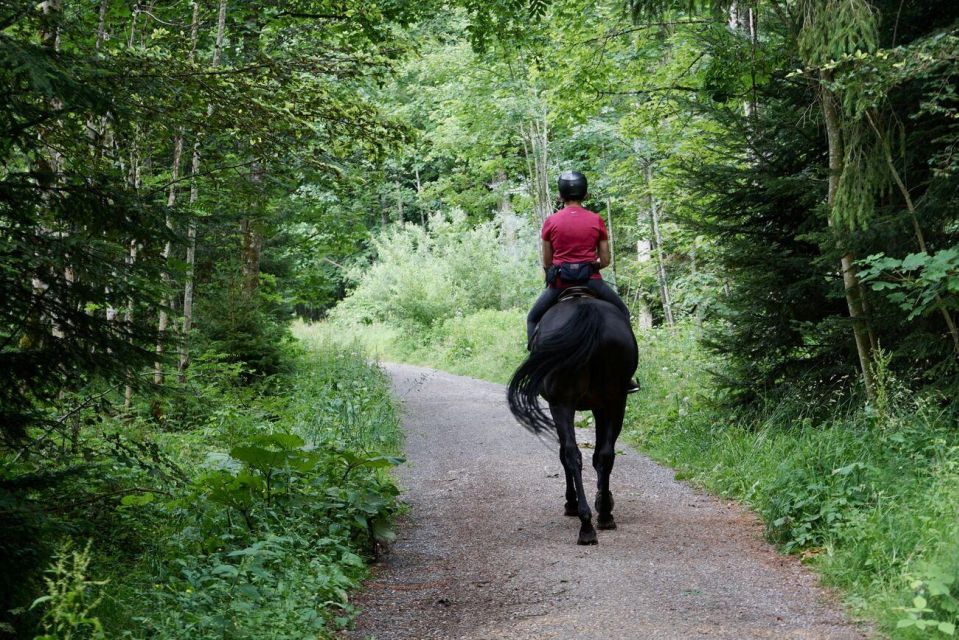
This is built around a simple timeline: you get picked up from your lakeside hotel, meet your guide and horse, ride for about 2.5 hours, then return for drop-off.
Hotel pickup in Pokhara’s lakeside area
You’ll be picked up from any hotel in the lakeside areas. In practical terms, this removes one of the biggest headaches of independent riding—getting to the right starting point. Pokhara’s lakeside is compact enough that pickup is a big quality-of-life win, especially if you’re pairing this with boating, paragliding, or a café crawl.
Meet your guide and horse
Your guide is listed as English-speaking, and trained horses are included. That combination tends to make the first minutes smoother. Even if you’ve never ridden before, a good guide can handle the “what do I do with my hands and posture” questions fast.
You may also notice how the horses are managed for safety. While the tour includes safety gear, a recent rider pointed out helmets weren’t available even though the listing suggested they should be. That’s a helpful warning: don’t assume head protection is automatically part of what you’ll receive—ask on arrival.
Riding through forest shade
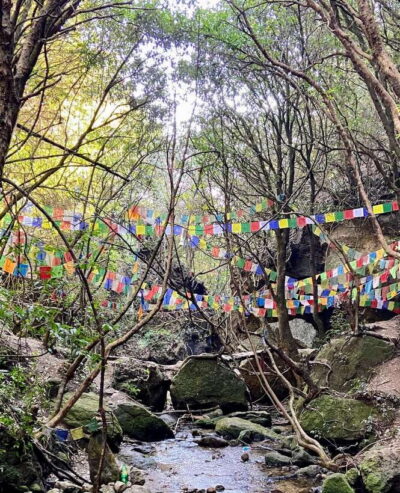
A major part of the appeal is the section through picturesque forests where sunlight falls through the canopy. This is more than just pretty scenery. Tree shade makes the ride feel cooler and reduces glare on your eyes, which makes it easier to focus on what you’re doing.
If you’re coming off a hot day walking the lakeside, this forest segment can feel like a reset.
Paths that hug the water and reveal Fewa Lake views
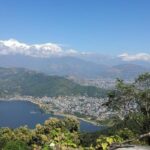
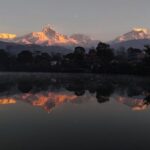
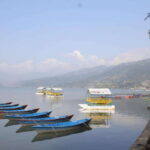
Then the route shifts toward peaceful paths with lake vistas. This is where the ride turns from “nice” to “I get it.” The lake view isn’t a single postcard moment; it’s more like a slow reveal—trees break, the water shows, then you ride again under cover.
I like that this tour doesn’t depend on a viewpoint bus stop. You’re moving through the scenery as it changes, which keeps your attention from wandering.
Possible uphill moments and guide support
One booking mentioned the guide walked with the rider and horse up and down a mountain for the best views of Pokhara. The takeaway for you: expect some uneven terrain or slope changes, and don’t be surprised if your guide plays an active role in keeping things comfortable.
If you’re worried about balance, tell the guide right away. The tour emphasizes riders of all skill levels, and hands-on support is exactly what makes that true.
Return ride and drop-off
After the ride portion, you’ll get dropped back where pickup started. Because the duration is clearly 2.5 hours, you can usually plan another activity afterward without guessing how late it might run—just build in a buffer if you’re catching a shuttle or connecting plans.
Value for $36: what you’re really paying for
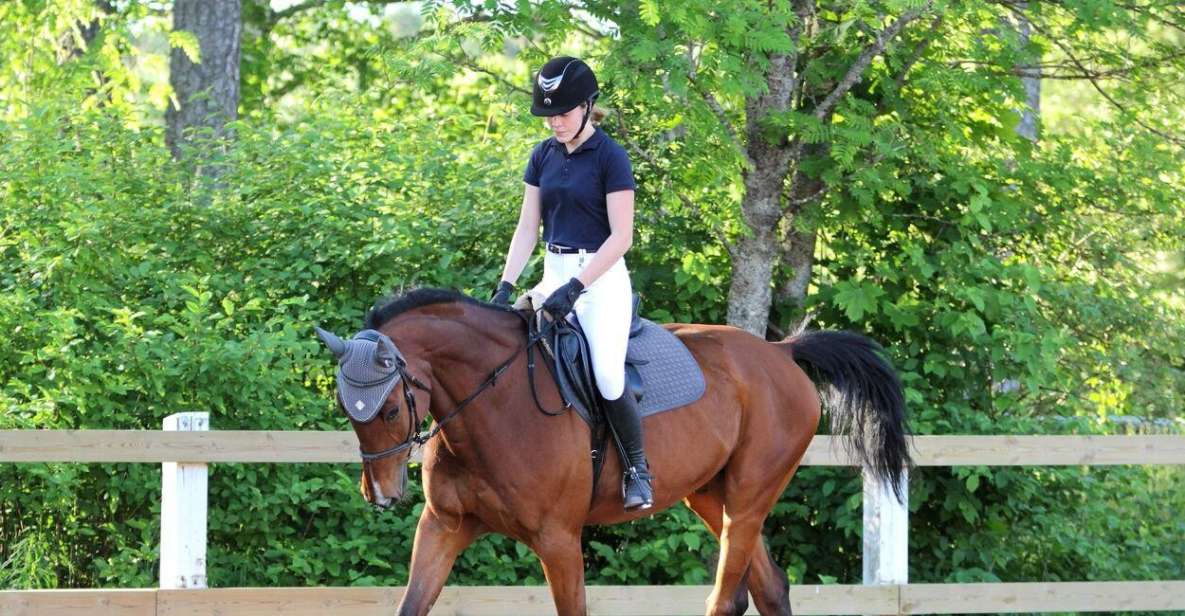
At $36 per person for a 2.5-hour guided horseback ride with hotel pickup and drop-off, this sits in the “reasonable value” category for Pokhara activities.
Here’s what that price tends to cover in real-world terms:
- Guide support (including English instruction)
- A trained horse matched for typical rider comfort
- Safety gear (listed as included)
- Pickup convenience from lakeside hotels
What you’re not paying for (and what to plan around):
- Food and drinks are not included
- Emergency rescue is not included
That last point doesn’t mean something will go wrong. It just means you shouldn’t assume rescue services are built into the price. If you’re the type who likes a full-service day, plan your own basics: water, a light snack if you need one, and comfortable footwear for the time before you mount.
Guides and horses: the parts that can make or break it
The best sign here is the recurring emphasis on guide reliability and horse training. One rider said the guide was kind and reliable. Another highlighted Bhandip’s helpful attitude and his willingness to walk the route up and down for views.
That tells me this isn’t a purely mechanical “sit and go” operation. There’s human judgment involved—matching riders, managing pace, and adjusting route choices.
Horses for beginners (and the realistic limits)
Trained horses for all skill levels is a big promise. In practice, it usually means you won’t be on a wild animal that demands expert control. Still, horseback riding always involves a little learning: how your body absorbs movement, how you stay relaxed, and how you follow the guide’s cues.
If you’re nervous, your best move is to ask for a quick briefing before you start riding. If you’re comfortable, you’ll enjoy more of the scenery—and if you’re not, the guide’s support can help you stay confident.
Helmet question: ask before the tour starts
One recent booking explicitly noted there were no helmets, despite the site making it sound like helmets were included. That doesn’t mean your experience will be the same, but it does mean you shouldn’t guess.
Before you mount, ask what safety gear you’ll receive. If you’re sensitive to head protection, consider bringing your own helmet if that’s practical for you. Even if you never think about it on a stable path, it’s worth clarifying early.
What to bring (so the ride feels easy)
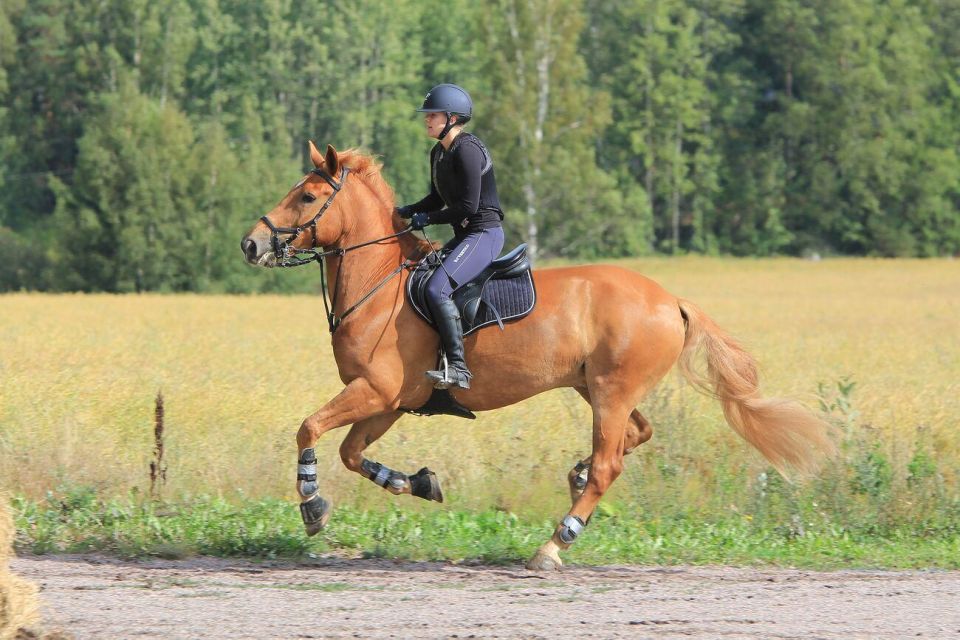
The tour doesn’t include food or drinks, and you’ll spend time outdoors before and after the ride. Pack like you’re going on a short hike.
Bring:
- Water (and consider a small snack if you tend to get hungry)
- Sunscreen and sunglasses (forest shade helps, but you’ll still be outside)
- Closed-toe shoes you’re comfortable walking in
- A light layer if mornings feel cool near the lake
- If you’re particular about safety gear, be ready to ask about helmets
Also consider bringing a phone strap or something secure for photos. You’ll want to capture that forest-to-lake rhythm, but you don’t want your gear loose while you’re riding.
Who this horseback ride suits best
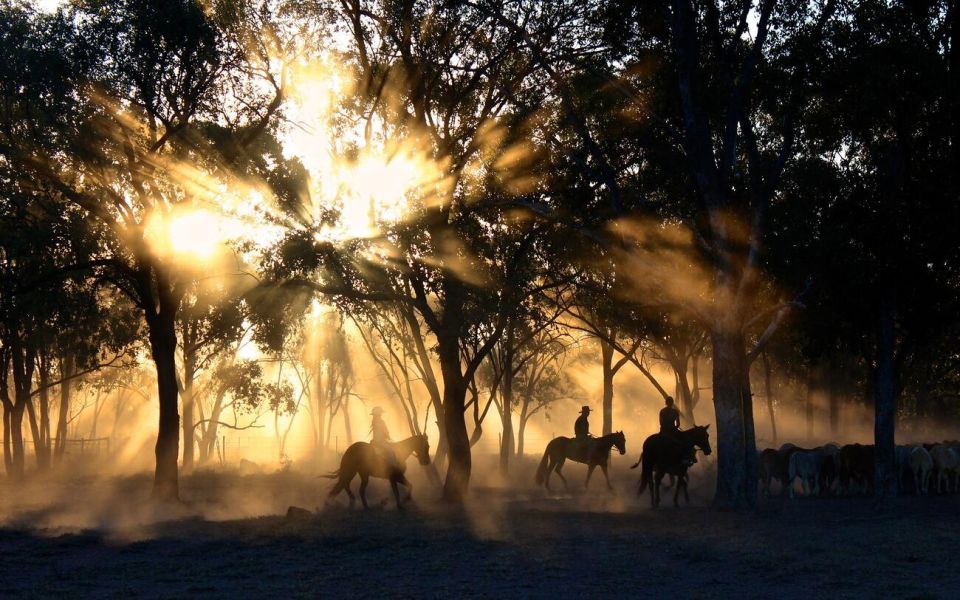
This is a strong fit if you:
- Want a scenic outdoor activity without a full-day commitment
- Like the idea of riding through forests plus lake views in one session
- Appreciate guides who actively help with comfort and route choices
- Are a beginner or returning rider and prefer trained horses
It may be less ideal if you:
- Need a long, strenuous trek (this is 2.5 hours)
- Have a strict expectation of specific safety equipment like helmets being guaranteed
- Get uncomfortable with slopes or uneven ground even with guide support
Tips to get better views without adding stress
A few small tactics can improve the experience:
- Listen early. If the guide advises how to sit or when to keep still, it’s because it helps both you and the horse.
- Don’t rush the photo moments. The best lake views happen at transitions when the path opens up.
- If your guide offers help for uphill/downhill sections, accept it. That support is often what turns “nervous” into “actually fun.”
- Pace yourself. Your body adjusts faster if you don’t tense up during the first part of the ride.
Should you book Pokhara Horseback Adventure?
I’d book it if you want a guided, low-fuss horseback experience in Pokhara that still feels scenic and personal. The combination of hotel pickup, an English-speaking guide, and trained horses makes this a smart value choice for many visitors. Add in the forest shade and Fewa Lake views, and you get a rare activity that’s both relaxing and memorable.
But if helmets matter to you, don’t leave it to assumptions. Ask what safety gear you’ll receive before you mount—one recent rider noted helmets were not provided. Also plan for no food: bring water and a small snack if needed so you’re not searching for something mid-ride.
If those points check out, this is exactly the kind of “short adventure with real scenery” that works well in a Pokhara itinerary.